The passport is not a license to misbehave.
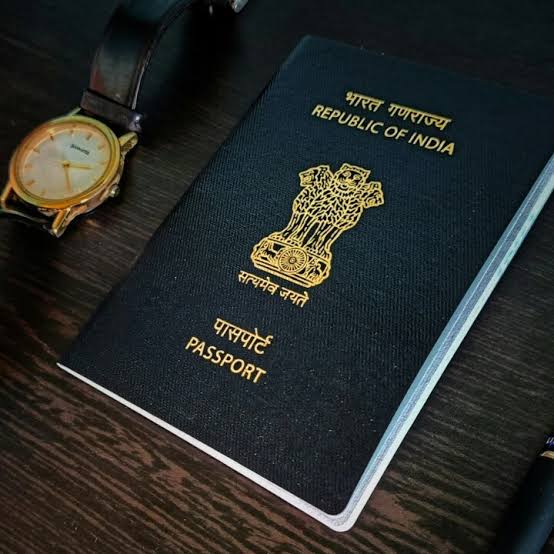
The Passport Is Not a Licence to Misbehave
By Anil Kumar Alaham
There are some stories that are embarrassing because they are unusual. Then there are stories that keep returning, in different countries and in different forms, until they begin to attract wider attention.
Over the past few years, Indian travellers have appeared in reports from aircraft cabins, airports, hotel rooms and streets abroad. The cases have included allegations of drunken misconduct, public fights, theft, assault, fraud and wildlife smuggling. Social media has also carried videos showing tourists shouting, littering, spitting or behaving in ways that attract criticism.
Most Indian tourists do not behave this way, and individual incidents should not be treated as evidence of a national character. At the same time, serious or repeated cases involving Indian nationals deserve attention when they are supported by police records, court proceedings or independently verified reports.
When individual misconduct attracts wider attention
In November 2022, a passenger on a New York–Delhi flight was accused of urinating on an elderly woman in business class. The passenger was reportedly intoxicated. Delhi Police registered a case, he was later arrested, and Air India banned him.
In March 2023, another New York–Delhi flight involved an allegation that a passenger urinated on a male co-passenger. The incident reportedly led to police attention and action by the airline concerned.
These cases involved different passengers and should be considered individually. They nevertheless highlighted the importance of responsible behaviour inside aircraft cabins, where passengers and crew have limited options to respond to serious misconduct.
In March 2024, Thai authorities arrested six Indian nationals at Bangkok’s Suvarnabhumi Airport after reportedly finding 87 live animals in their luggage. The reported animals included a red panda, a monkey, birds, snakes and lizards. The case was treated by authorities as a wildlife-trafficking matter.
If such allegations are proved, the issue goes far beyond ordinary holiday misconduct. Wildlife trafficking can involve violations of border controls, conservation laws and animal-welfare rules.
In another incident in Pattaya, tourists were filmed involved in a street confrontation that attracted police intervention. The footage circulated widely online. Such videos can draw public attention, but the circumstances surrounding a confrontation should be established before conclusions are reached.
Changi Airport and the importance of following local laws
Singapore's Changi Airport has also featured in several reported cases involving Indian nationals and allegations of theft. Separate incidents have involved items such as perfumes, souvenirs and other goods. In one case, a man was accused of stealing from multiple shops at Jewel Changi and the airport's transit area.
These were separate cases involving separate individuals and should not be combined to make claims about Indian travellers as a whole. They do, however, demonstrate that visitors remain subject to the laws and security procedures of the country they are visiting.
Aircraft incidents have similarly involved allegations of aggressive behaviour toward passengers and cabin crew. In one reported case in February 2025, an Indian passenger travelling to Singapore was accused of becoming aggressive, grabbing another passenger, pushing a seat, seizing a crew member's wrist and making threats. He was reportedly arrested after landing.
In another case, a passenger on a Singapore-bound flight was accused of grabbing and pushing a female cabin-crew member. He was arrested after arrival and faced a criminal charge.
Cabin crew are responsible for maintaining the safety of everyone on board. Threatening or assaulting them can create risks beyond the immediate dispute and can interfere with the safe operation of a flight.
In Pattaya, a tourist was arrested in 2025 after allegedly using a fake bank-transfer slip to pay for food and drinks. The reported amount was 90,000 baht. As with any arrest, the allegation should be distinguished from a final finding of guilt.
A separate Singapore case in October 2025 resulted in convictions. Two Indian tourists pleaded guilty to robbing and assaulting two women in separate hotel rooms. Each was sentenced to five years and one month in prison and 12 strokes of the cane.
A passport gives a traveller the right to cross an international border subject to immigration rules. It does not exempt anyone from the laws of the country they visit.
Not every viral video is evidence
Not every controversy involving Indian tourists is a criminal case. Social media frequently carries videos of visitors being criticised for loud behaviour, littering, spitting, playing music or using public places in ways others consider inappropriate.
Some conduct may plainly be inconsiderate. A railway carriage is not a private living room, and a public beach is not a place to leave rubbish. Visitors are expected to understand their surroundings and respect local norms.
At the same time, social media should not be treated as a substitute for verification. A video may not establish when it was recorded, who is involved, what happened before the recording or whether an activity was authorized. Some claims circulated online have also been disputed or remain independently unverified.
Criticism is stronger when it is based on reliable evidence. Police records, court proceedings, official statements and properly verified footage provide a more dependable basis for assessing individual incidents.
Education before departure, accountability after it
The primary responsibility lies with the traveller. Anyone accused of stealing, assaulting, threatening, harassing, defrauding or illegally transporting wildlife must face the legal process of the country concerned.
Companies sending employees abroad can also provide practical pre-departure guidance covering local laws, alcohol, public conduct, harassment, photography, transport and emergency contacts.
The government can support travellers by providing clear, country-specific information before departure. Guidance should explain important local rules in accessible language, including regulations concerning public drinking, littering, wildlife, photography and transport.
Travellers should not leave the country with only a passport and boarding pass. Even a short trip abroad requires an understanding of the laws and social expectations of the destination.
Responsible travel protects everyone's reputation
India's tourism image is shaped not only by campaigns and advertisements but also by everyday interactions between visitors and local communities.
Individual misconduct can sometimes affect how other travellers are perceived. That makes responsible behaviour important not only for the person involved but also for fellow travellers who may encounter greater scrutiny or negative assumptions.
This conversation should not be treated as an attack on Indians. It is an argument for applying the same basic standards expected of travellers everywhere: respect local laws, treat people with dignity, protect public spaces and take responsibility for personal conduct.
Patriotism does not require ignoring embarrassing incidents. A more constructive approach is to acknowledge verified wrongdoing, distinguish allegations from convictions and encourage better behaviour among those travelling abroad.