WHAT IS BLOOD HEALTH AND WHY DOES IT MATTER?
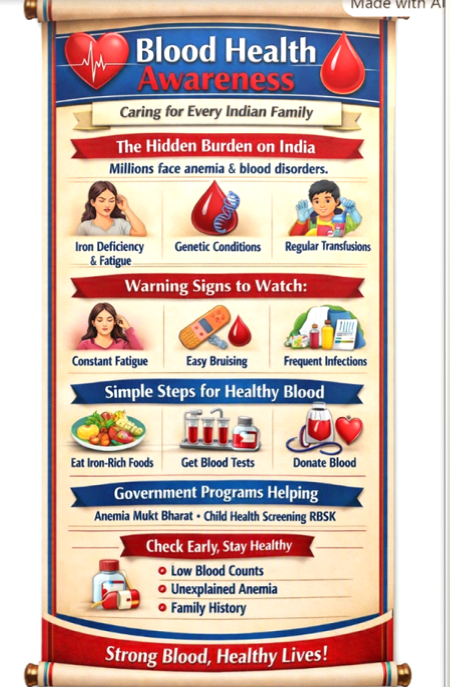
Blood is the body’s life-sustaining river. It carries oxygen, essential nutrients, and hormones to every cell while carrying away waste to keep organs healthy. When blood is healthy, the body stays energized and resilient. However, when blood health is compromised, it affects every stage of life—from growing children and young mothers to elderly grandparents.
Blood health refers to the blood's ability to perform many functions, such as transporting oxygen and nutrients and fighting infections. Optimal blood health and function depend on the optimal health and function of blood components.
Blood health is the foundation of overall physical strength, cognitive development, and immunity. Across India, deficiency disorders like low hemoglobin, iron deficiency, and vitamin B12 deficiency are frequently ignored as minor daily fatigue, yet they can be early signals of underlying, treatable health conditions.
The Heavy Burden on India
Blood health issues are a silent epidemic across India, affecting millions of families:
• Severe Anemia & Iron Deficiency: Over 2 billion people globally suffer from iron deficiency, and India carries the highest number of anemia cases in the world. It affects women and young children most severely due to poor nutrient absorption, heavy periods, and inadequate dietary iron.
• Inherited Blood Conditions: Asia faces the world's highest concentration of blood disorders like thalassemia. Millions of children are born with genetic conditions that require lifelong medical care and regular blood transfusions.
• Overlooked Symptoms: Many people live with fatigue or weakness for years, assuming it is just routine stress or hard work, without realizing their body is struggling to produce healthy blood cells.
The Power of a Simple Test CBC (Complete Blood Count)
A Complete Blood Count (CBC) is a basic, widely available, and affordable blood test. It measures key blood components, including:
• Hemoglobin (Hb): Indicates oxygen-carrying capacity.
• Red Blood Cell Indices (MCV, MCH): Helps distinguish between iron deficiency (small red cells) and B12/folate deficiency (enlarged red cells).
• White Blood Cells (WBC) & Platelets: Helps identify active infections, immune system activity, or clotting issues.
Checking a basic CBC during routine annual health checkups allows doctors to catch falling blood counts long before severe symptoms appear.
Delving Into Root Causes: Low Iron & Vitamin B12
Treating blood health isn't just about taking a quick iron or vitamin pill. Low iron or vitamin B12 levels are often symptoms of a primary underlying issue, rather than just a poor diet. Investigating the root cause allows doctors to catch hidden conditions early:
• Hidden Bleeding & Digestive Issues: Low iron in adults can stem from internal micro-bleeding due to stomach ulcers, gastritis, intestinal polyps, or heavy menstrual bleeding in women.
• Absorption Disorders: Conditions like Celiac disease, Crohn's disease, H. pylori bacterial infections, or poor gut absorption often prevent the body from utilizing iron and vitamin B12 from food.
• Autoimmune & Neurological Factors: Vitamin B12 deficiency can be caused by pernicious anemia (an autoimmune condition affecting gastric intrinsic factor). Long-term B12 deficiency can lead to irreversible nerve damage if left unaddressed.
• Silent Chronic Diseases: Persistent anemia can sometimes signal kidney conditions, thyroid imbalances, chronic inflammatory diseases, or early bone marrow disorders.
Detecting these deficiency markers early enables physicians to treat the underlying condition before it progresses to serious complications.
Simple Steps to Protect Your Blood Health
1. Focus on Nutrition: Include iron-rich foods in daily meals, such as green leafy vegetables, jaggery, legumes, and nuts, paired with vitamin C to help the body absorb iron better.
2. Get Routine Blood Tests: A simple, affordable Complete Blood Count (CBC) test during routine check-ups can detect anemia and iron deficiencies early before they cause serious health problems.
3. Support Voluntary Blood Donation: Donating blood voluntarily helps save the lives of mothers facing birth complications, surgery patients, and children living with severe blood disorders like thalassemia.
Taking care of blood health ensures that children grow strong, mothers remain healthy, and elders stay active. Paying attention to simple warning signs today protects the well-being of the whole family tomorrow.
Government of India Initiatives
The Government of India has established major public health initiatives to tackle blood health issues and anemia across all age groups:
• Anemia Mukt Bharat (AMB) Abhiyaan: Operating under the National Health Mission (NHM), this flagship campaign focuses on a T4 Approach—Test, Treat, Talk, and Track. It provides free iron and folic acid (IFA) supplementation, routine blood testing, and deworming across schools, Anganwadis, and primary health centers.
• Rashtriya Bal Swasthya Karyakram (RBSK): Conducts early health screenings for children to identify blood disorders, developmental delays, and deficiency conditions early.
• National Sickle Cell Anaemia Elimination Mission: Focuses on screening, early diagnosis, and management of genetic blood conditions, particularly within tribal and endemic communities.
When to Seek a Hematologist Review
For routine deficiency anemia, a primary care physician or family doctor will prescribe dietary adjustments and supplements. However, if your doctor notices unusual patterns, a specialist consultation is crucial.
• Non-Responsive Anemia: Blood counts fail to improve despite taking prescribed iron or B12 supplements.
• Unexplained Complex Blood Counts: Simultaneous drops in red cells, white cells, and platelets (pancytopenia).
• Suspected Genetic or Bone Marrow Disorders: Family history or lab findings suggesting conditions like thalassemia, sickle cell disease, or bone marrow dysfunction.
A specialist review ensures accurate diagnostics, targeted treatment, and long-term protection for your health.
In Summary
Blood health is the foundation of family well-being. By eating right, testing regularly, and supporting blood donation, every Indian family can help build a stronger, healthier nation — one drop at a time.