NIA Moves to Revoke Bail of Activists Varavara Rao and Sudha Bharadwaj in Bhima Koregaon Case
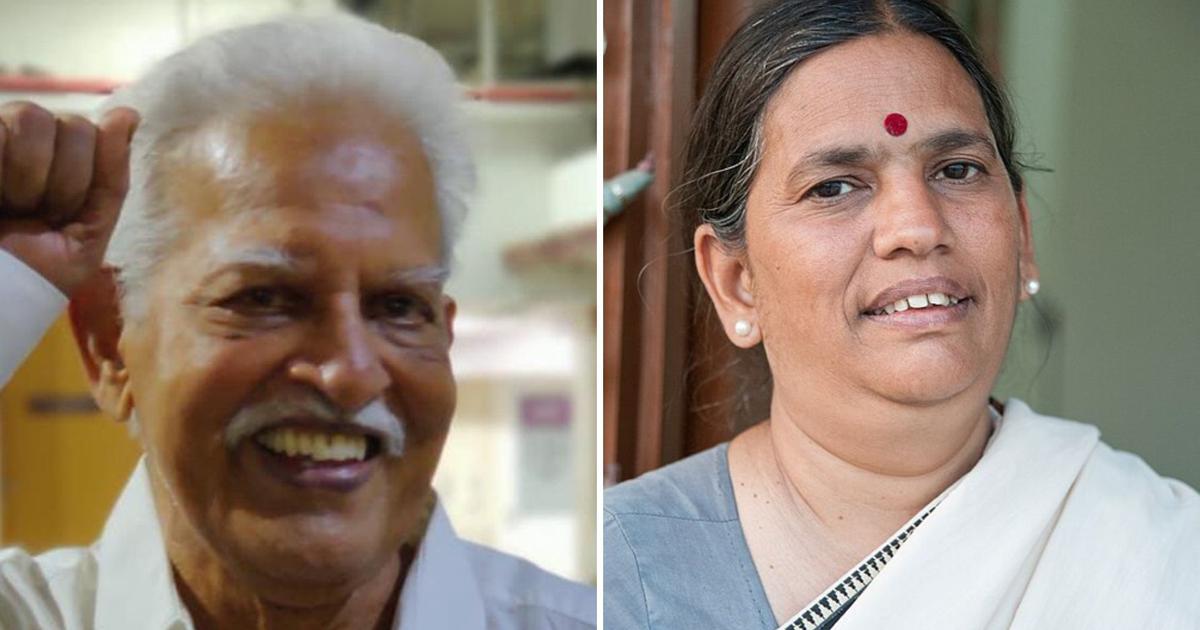
The ongoing legal drama surrounding the Bhima Koregaon case has taken a significant turn as the National Investigation Agency (NIA) filed a petition in a special court in Mumbai on Friday, seeking the cancellation of bail for prominent activists Varavara Rao and Sudha Bharadwaj. This move comes in the wake of allegations that the duo violated the conditions of their bail by participating in a controversial meeting.
Varavara Rao, a well-known poet and activist, was initially granted interim medical bail by the Bombay High Court in February 2021, a decision that was later upheld by the Supreme Court in August 2022. Sudha Bharadwaj, a lawyer and activist, received default bail from the Bombay High Court in December 2021 after the NIA failed to submit a chargesheet within the legally mandated 90-day period. However, the NIA claims that both Rao and Bharadwaj have breached the terms of their bail by attending a meeting at the Mumbai Press Club on January 19, alongside other accused individuals.
The NIA’s application asserts that the meeting was organized explicitly to promote the ideologies of the banned organization, the Communist Party of India (Maoist), and to strategize on the future trajectory of the so-called ‘Urban Naxal’ movement. This gathering reportedly contravened the bail stipulations that prohibited both Rao and Bharadwaj from communicating with other accused parties. The agency’s concerns are heightened by the implications of such meetings, which they argue are designed to incite unrest and further the Maoist agenda.
In the wake of these allegations, the special court has ordered both Rao and Bharadwaj to respond to the NIA’s petition, setting the stage for a new chapter in this protracted legal battle. The case, which has drawn widespread attention and controversy, centers on the events surrounding the violence that erupted during a commemoration event in Bhima Koregaon in January 2018. The incident has since been characterized as an attack on the Dalit community and has ignited discussions about caste, dissent, and civil rights in India.
The implications of the NIA’s latest move could be far-reaching, not only for the activists involved but also for the broader discourse on civil liberties and the right to dissent in India. As this situation unfolds, both Rao and Bharadwaj have become symbols of the resistance against state repression, raising questions about the balance between national security and individual rights. The legal proceedings ahead will undoubtedly be closely monitored by activists, legal experts, and citizens alike, as the outcome may influence future cases involving dissent and political activism in the country.