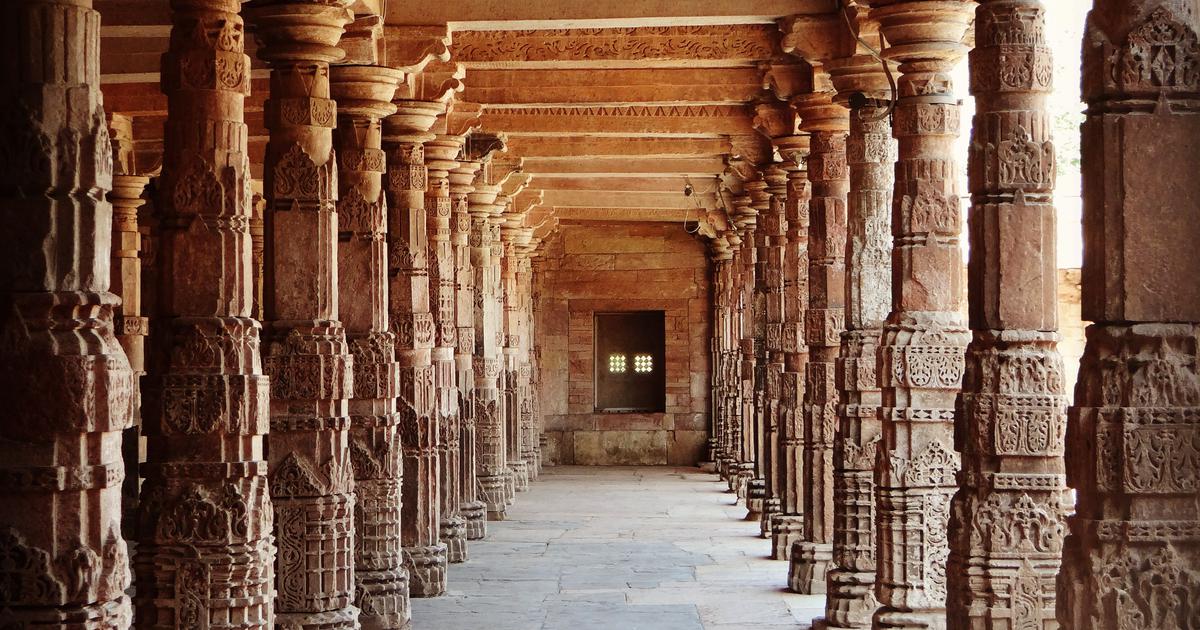
In a landmark ruling, the Madhya Pradesh High Court has declared the disputed Bhojshala-Kamal Maula mosque complex in Dhar district as a temple dedicated to the Hindu goddess Saraswati. This decision overturns a 2003 directive from the Archaeological Survey of India that had permitted Hindus to offer prayers on Tuesdays while allowing Muslims to conduct their Friday prayers in the same complex.
The court’s judgment was heavily influenced by precedents set by the Supreme Court in the highly publicized Ram Janmabhoomi-Babri Masjid case. By declaring Bhojshala a temple, the High Court has re-ignited a significant debate regarding the historical and religious significance of disputed sites in India.
As part of the ruling, the court has also granted the Muslim community the option to seek alternative land within the district for the construction of a new mosque. The implications of this decision are profound, potentially altering the dynamics of religious coexistence in the region as well as impacting the ongoing discourse on religious identity in India.
In parallel news, political tensions have escalated surrounding the central government’s alleged involvement in a controversial quid pro quo arrangement with the United States. Opposition leaders have raised concerns that the Modi administration may have facilitated a deal for the U.S. to drop fraud charges against Gautam Adani, the chairman of the Adani Group. Congress leader Rahul Gandhi has publicly accused Prime Minister Modi of engaging in this unprincipled bargain, suggesting that it may not be a trade deal but a ‘bargain for Adani’s release’.
This accusation comes amid ongoing scrutiny of the Adani Group’s financial dealings and governance practices, which have drawn significant public and media attention. As the political landscape shifts, the intersection of business interests and governance raises questions about transparency and accountability within the Modi administration.
As these stories unfold, they highlight the complex interplay of religion, politics, and business in contemporary India, forcing citizens to confront pressing questions about national identity and the ethical dimensions of leadership. With ongoing debates and legal battles surrounding religious sites, as well as the controversies involving major corporate entities, Indian society stands at a crucial juncture, making the need for thoughtful dialogue and introspection more urgent than ever.