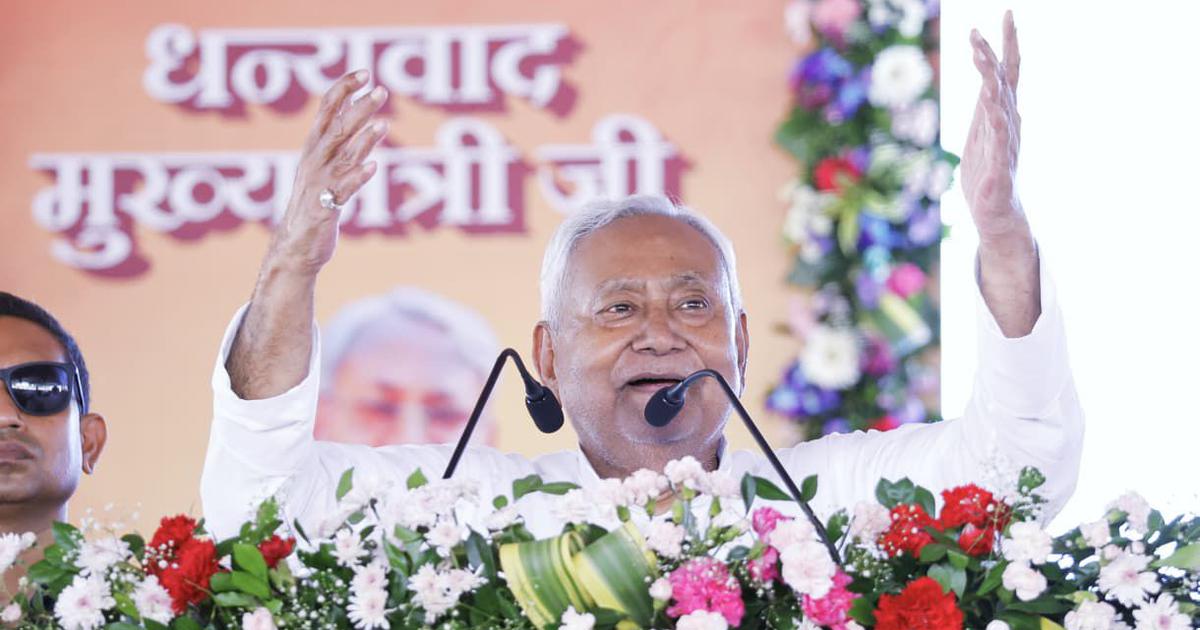
Nitish Kumar, the prominent leader of the Janata Dal (United), has tendered his resignation as the Chief Minister of Bihar, marking a significant shift in the state’s political landscape. Kumar, who has held the chief ministerial position multiple times, took the decision on Tuesday following his recent election to the Rajya Sabha, India’s Upper House of Parliament. Having been sworn in as a Member of Parliament just days earlier, Kumar’s resignation has left many political observers wondering about the future of governance in Bihar.
In his resignation announcement, Kumar recommended to Governor Syed Ata Hasnain the dissolution of the current Cabinet. He expressed his willingness to support the new government that will succeed him, stating on social media that he would offer “full cooperation and guidance.” This sentiment suggests a potential for collaboration as Bihar prepares for a transition in leadership, though the specifics of who will step into the chief minister role remain uncertain.
Nitish Kumar’s political journey has been notable, especially since he has been at the helm of Bihar’s governance for a significant portion of the last two decades. His tenure began with the formation of the National Democratic Alliance (NDA) government in Bihar on November 24, 2005. Since then, Kumar has emphasized the importance of law and order and development across various societal segments, including Hindus, Muslims, upper castes, backward castes, and Dalits. His governance model has often been hailed for promoting inclusive growth, aiming to uplift all sections of society.
During his time as chief minister, Kumar has been an advocate for various developmental initiatives and has worked to ensure that the fruits of progress are shared broadly. This commitment has resonated well with the electorate, allowing him to secure re-election multiple times, the latest being in the Assembly elections held last year. His recent foray into the Rajya Sabha was a move that he had expressed interest in, as he sought to fulfill his aspirations of serving in all legislative capacities at both state and central levels.
The political implications of Kumar’s resignation are vast, as the ruling alliance will now be tasked with selecting a new leader. Speculations abound regarding potential successors, with political factions within the Janata Dal (United) and allies in the ruling coalition likely engaging in discussions about the next steps. The transition period could bring about changes in policy direction, affecting key issues such as education, health, and infrastructure development in the state.
As Bihar stands on the brink of a new chapter in its political history, the citizens await clarity on the unfolding situation. With Kumar’s rich legacy in the state’s politics, the move raises questions about continuity and change in governance, which will be closely monitored by both supporters and critics alike.