Odisha Assembly Speaker Rejects BJD’s Call to Disqualify Eight MLAs Over Rajya Sabha Cross-Voting Allegations
In a significant political development in Odisha, the Assembly Speaker, Surama Padhy, has dismissed a petition from the ruling Biju Janata Dal (BJD) that sought the disqualification of eight of its own MLAs. The party accused these legislators of engaging in cross-voting during the Rajya Sabha elections held in March, which has raised concerns about party loyalty and internal dissent.
The Speaker’s decision, reported by ANI, characterized the disqualification request as ‘cryptic, vague, and unsubstantiated,’ indicating that it failed to meet the necessary statutory requirements for further consideration. This ruling has not only provided a reprieve for the accused MLAs but also sparked discussions about the implications for the BJD and its leadership.
The controversy dates back to March 16, when the BJD alleged that the eight MLAs had voted against the party’s official candidate in favor of independent candidate Dilip Ray, who was backed by the Bharatiya Janata Party (BJP). Four seats in the Rajya Sabha from Odisha were up for grabs, and while two candidates from the BJP and one from the BJD secured their positions, the fourth candidate, supported by the BJD and the Congress, lost to Ray by a margin of 11 votes. It was alleged that eight votes for Ray came from the BJD, with the remaining three from Congress members.
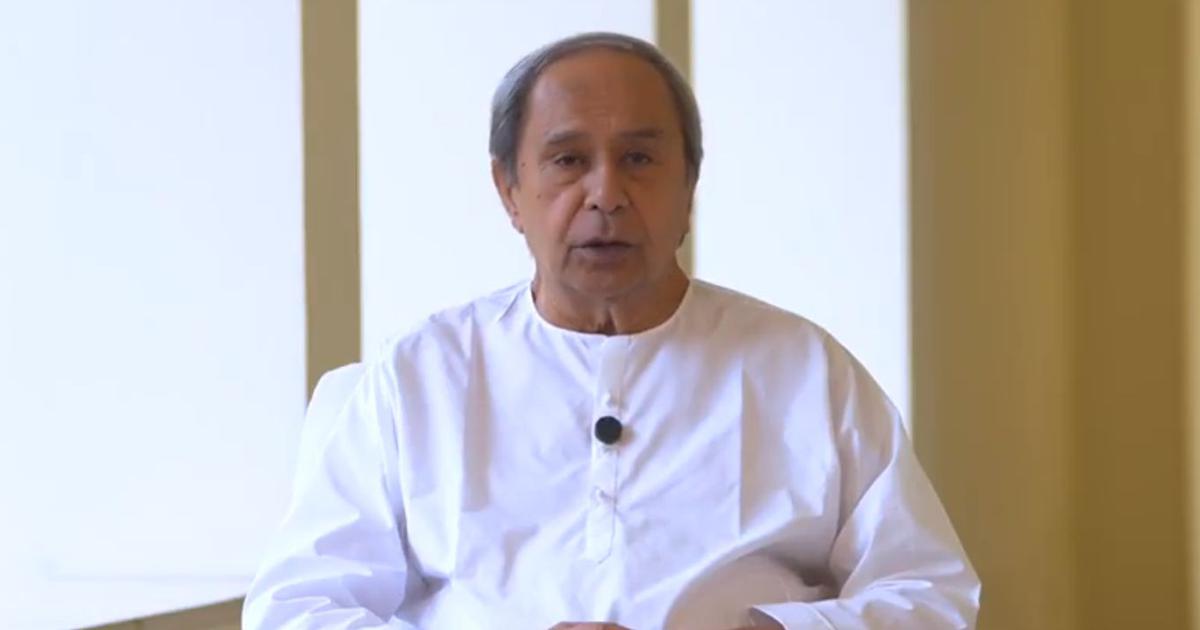
The situation became even more contentious on the polling day when BJD chief Naveen Patnaik accused the BJP of engaging in ‘horse-trading’ to sway the election results. In the aftermath of the elections, the BJD took a strong stance, urging the Speaker to act against the eight legislators for supposedly undermining the party’s stance. The Chief Whip of the BJD, Pramila Mallick, had expressed the party’s disappointment over the incident and highlighted the need to uphold party discipline.
This incident not only reflects the internal challenges faced by the BJD but also spotlights the ongoing political maneuvering in Odisha as parties jostle for influence in the Rajya Sabha. As the political climate continues to evolve, the implications of this dismissal may resonate throughout the state’s political landscape, particularly regarding party unity and the future conduct of its members.