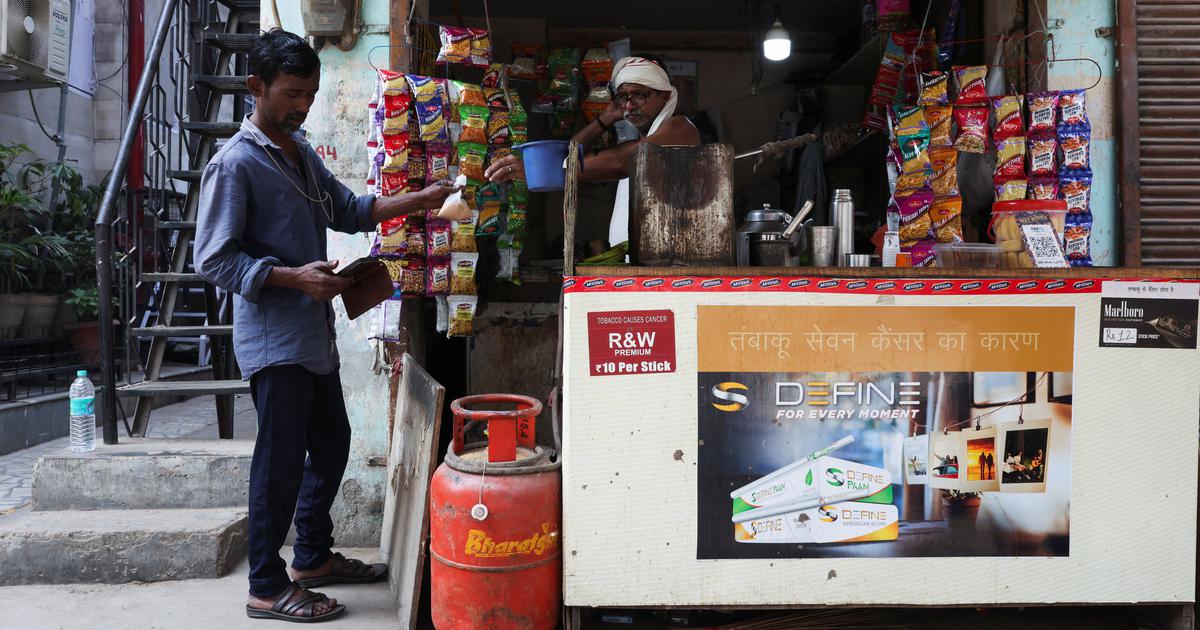
In a significant development affecting businesses across India, opposition leaders raised alarms on Friday regarding the steep increase in commercial liquefied petroleum gas (LPG) cylinder prices. This price surge occurred merely two days after the conclusion of Assembly elections, making it a contentious issue in the political landscape.
The Union government announced a hike of Rs 993, bringing the cost of a 19-kg commercial LPG cylinder to Rs 3,071.5 in Delhi and Rs 3,024 in Mumbai. This spike is being attributed to escalating global energy prices, exacerbated by ongoing conflicts in West Asia. The timing of the hike has led to accusations of political maneuvering, with critics asserting that it serves as a hidden ‘election bill’ for the ruling party.
Congress leader Rahul Gandhi was quick to comment on the situation, asserting that he had anticipated rising inflation post-elections. He took to social media to emphasize the impact of this price hike, labeling it as the largest single-day increase in recent history. “Today, commercial gas cylinders have become costlier by Rs 993,” he stated, adding that this price rise is not isolated. Since February, commercial LPG prices have shot up by Rs 1,380, marking an astonishing increase of 81% in just three months.
Gandhi further articulated the potential ripple effects of this price hike, noting that it would disproportionately affect small businesses such as tea stalls, dhabas, hotels, bakeries, and sweet shops. He warned, “The burden on everyone’s kitchen has increased, and this will ultimately affect your plate too,” highlighting the broader implications for everyday consumers.
As the opposition escalates its criticism, Gandhi cautioned that this might just be the beginning. He hinted at further price hikes in petrol and diesel, urging citizens to prepare for more financial strain. The rising costs of essential goods have sparked widespread concern among the public, with many questioning the government’s accountability and economic strategies.
This latest incident has ignited a political firestorm, with opposition parties calling for immediate interventions and a transparent explanation from the government. As debates intensify, the repercussions of these price hikes could resonate deeply throughout the economic landscape, affecting everything from daily household expenses to the overall cost of living.