In a significant ruling, the Supreme Court of India has dismissed multiple public interest litigations (PILs) that sought the establishment of a dedicated hate speech law. The apex court asserted that existing criminal laws are sufficiently equipped to address offenses that threaten public order, dignity, and constitutional rights.
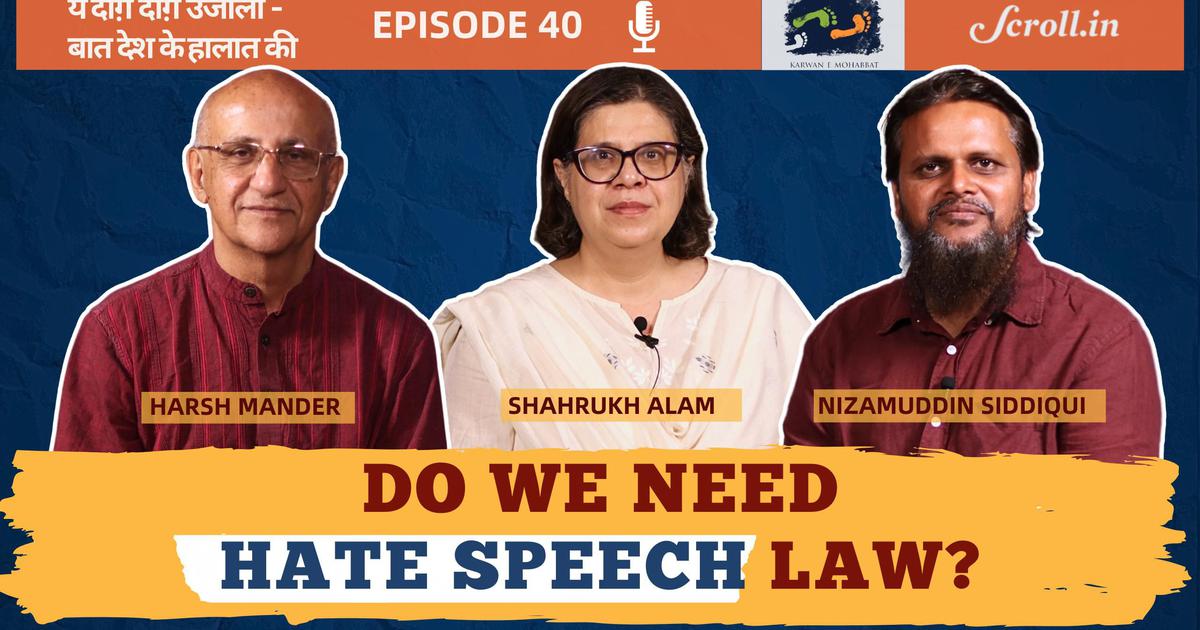
This decision has reignited an essential debate across the country regarding the need for a specific legislative framework to combat hate speech. A recent discussion hosted by Harsh Mander, a noted writer and peace activist, featuring legal expert Shahrukh Alam and researcher Nizamuddin Ahmed Siddiqui, explored the nuances surrounding this contentious issue.
The conversation delved into the arguments supporting the introduction of hate speech laws, weighing them against the challenges and potential pitfalls such legislation might encounter. Proponents argue that without a clear legal definition of hate speech, marginalized communities are left vulnerable to discrimination and violence, as existing laws may not adequately address the specific nature of hate crimes.
However, the naysayers caution against the implications of granting the government the power to define what constitutes harmful speech. They emphasize the risk of misuse, where authorities might wield these laws to suppress dissent or curb free expression. Mander, Alam, and Siddiqui examined how hate speech is not merely an abstract concept but a pervasive form of discrimination deeply rooted in India’s social and political fabric. The discourse highlighted that understanding hate speech involves examining the language used, the context in which it is expressed, and the historical narratives that shape such rhetoric.
As the dialogue unfolded, the participants referenced the historical backdrop of hate speech in India, noting instances where inflammatory speech has led to communal violence and social discord. They underscored the need for a collective societal effort to address the underlying issues that fuel such speech, rather than solely focusing on punitive measures. The session also paid homage to the legacy of renowned poet Faiz Ahmed Faiz, with Mander drawing inspiration from his iconic work, ‘Yeh Daag Daag Ujala,’ symbolizing the ongoing struggle against darkness and injustice in society.
This critical discussion serves as a reminder of the complexities surrounding the regulation of speech in a democracy. As India grapples with the balance between freedom of expression and the prevention of hate speech, the court’s ruling may lead to more profound conversations about how society can protect its diverse communities without infringing on fundamental rights. The debate certainly raises important questions that resonate with citizens, policymakers, and scholars alike, reflecting the ongoing struggle to navigate the crossroads of law, ethics, and social justice in contemporary India.