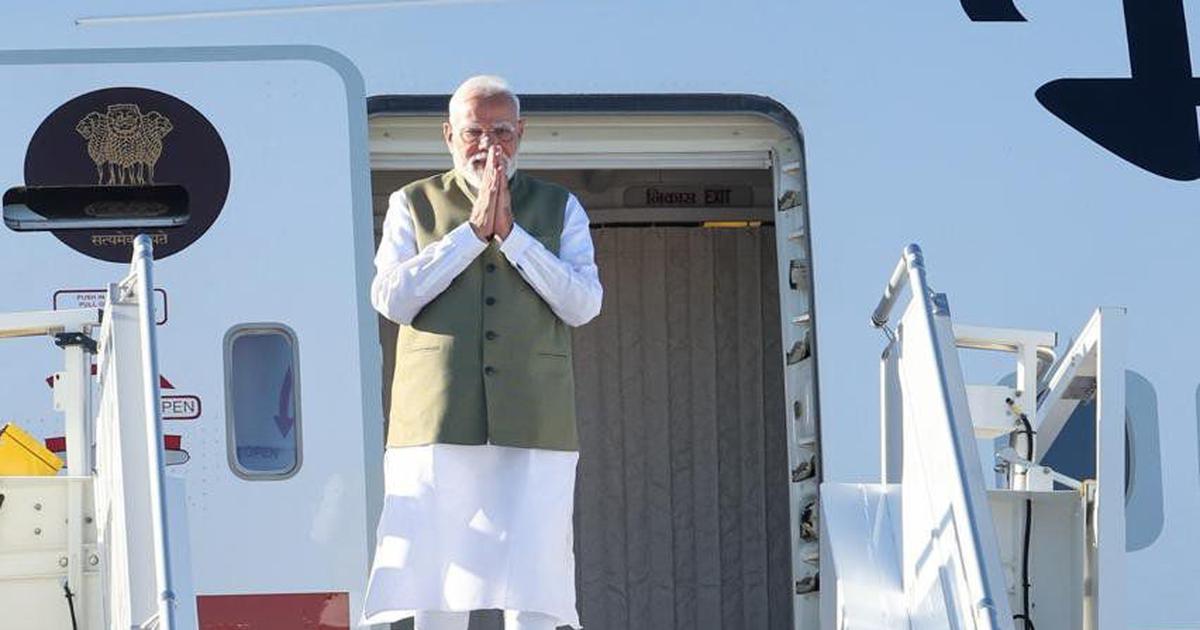
In a significant diplomatic development, Prime Minister Narendra Modi has expressed India’s strong endorsement of the recently brokered peace agreement between the United States and Iran, aimed at resolving ongoing tensions in West Asia. Modi emphasized the far-reaching consequences of the prolonged conflict, indicating that it has inflicted serious economic hardship globally and resulted in countless lives lost across various nations.
Taking to social media, Prime Minister Modi highlighted his hopes that the new agreement will pave the way for enhanced peace and stability in the tumultuous region. He underscored that ensuring the freedom of navigation and commerce in vital maritime routes is crucial not just for the countries directly involved, but for the global economy as a whole. Modi’s statement resonates with India’s strategic interests, as the Strait of Hormuz is a critical chokepoint for oil shipments, with a significant portion of India’s energy imports passing through this narrow waterway.
Modi’s remarks came soon after US and Iranian officials announced the conclusion of a peace deal, which was seen as a pivotal step towards addressing the complex geopolitical dynamics of West Asia. The Prime Minister reiterated India’s commitment to supporting dialogue between the US and Iran, expressing optimism for ongoing discussions to resolve remaining issues. “We are hopeful that this understanding will lead to a sustainable, final agreement that benefits all parties involved,” he stated.
Adding further context, former US President Donald Trump revealed plans for the “toll-free opening” of the Strait of Hormuz and the immediate cessation of the US naval blockade on Iranian ports, actions that are expected to significantly improve trade flow in the region. Amidst these developments, Pakistani Prime Minister Shehbaz Sharif announced that the formal signing of the agreement is set to take place in Switzerland, with Pakistan playing a mediating role in the peace process.
Furthermore, the Indian National Congress party also welcomed the peace deal, although they raised concerns regarding the reopening of trade routes and the potential implications for regional security. The Congress party highlighted the need for a comprehensive approach to ensure long-term peace in West Asia, especially considering the historical complexities and rivalries that have characterized the region for decades.
As discussions continue, the international community watches closely, recognizing the potential of this agreement to reshape alliances and foster economic cooperation in a region long plagued by instability. India’s proactive stance in supporting peace initiatives reflects its aspirations to play a more significant role on the global diplomatic stage, aligning with its larger goals of fostering regional stability and security.