In the early 1980s, as India embarked on a journey of economic liberalization, a significant cultural shift was unfolding in Mumbai. The bustling metropolis, then known as Bombay, aimed to polish its image to attract foreign investments. However, this beautification effort came at a steep price for the city’s underprivileged residents, as a massive demolition drive began to clear out makeshift homes of the homeless. This period marked a turning point in the city’s socio-political landscape, with activists and journalists stepping up to defend the rights of those marginalized.
During this tumultuous time, I encountered Gurbir Singh, a dedicated journalist from the Times of India group. His passion for social justice mirrored the explosive changes happening around us. While the government focused on erasing the visible signs of poverty, several organizations, including the Peoples’ Union for Civil Liberties (PUCL), emerged to advocate for the rights of the poor. They argued that the Right to Shelter is not merely a privilege but a fundamental right intertwined with the Right to Life, as enshrined in the Indian Constitution.
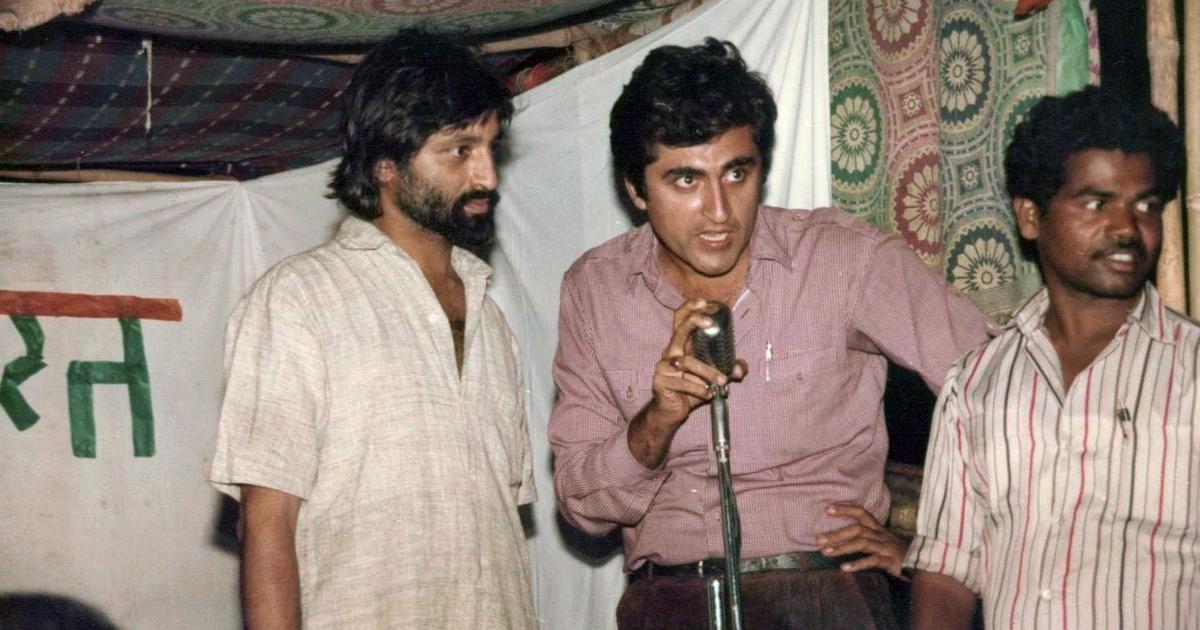
As the legal battle progressed in the Supreme Court, which had placed a temporary stay on demolitions, the bulldozers continued their relentless work, ignoring the court’s orders. Witnessing these injustices firsthand compelled me to document the plight of the slum-dwellers. Armed with my second-hand 16 mm film camera, I captured the raw reality of those affected by the demolitions, alongside dedicated activists like Gurbir Singh. Together, we formed the Nivara Hakk Suraksha Samiti, a coalition aimed at fighting for the housing rights of the disenfranchised.
Our group stood not only as a voice for the slum-dwellers but also as a reminder of the deep-rooted inequalities that persist in urban India. The demolitions were not just an act of urban renewal; they represented a larger systemic issue of neglect towards the economically weaker sections of society. Our movement highlighted the need for inclusive urban planning that does not push the poor into invisibility.
As the years have passed, the dynamics of urban development in Mumbai have evolved, yet the challenges of displacement and homelessness continue to haunt the city. The fight for the Right to Shelter remains pertinent, as new waves of development often overlook the needs of the marginalized. The legacy of activists like Gurbir Singh reminds us of the role of journalism in championing social justice, urging us to question the narrative that favors profit over people.