Reviving Bengal’s Syncretic Heritage: A Study of Popular Beliefs Against Orthodox Practices
In the rich tapestry of colonial Bengal’s historical archives, a fascinating narrative unfolds, revealing how everyday people navigated the complexities of faith amid sweeping social changes. Sumanta Banerjee’s groundbreaking work, Logic in a Popular Form, challenges conventional perceptions and sheds light on how popular religious practices have served as vital tools for communities to resist orthodox structures and articulate their identities.
Banerjee, regarded as a passionate historian, delves into what he refers to as the “ragpickers of history.” These individuals have often been dismissed by traditional scholars, who relegated their practices to mere remnants of a so-called degraded faith. Yet, Banerjee’s meticulous research, encompassing manuscript collections and the oral traditions of various communities, reveals a much more nuanced picture. He argues that rather than being corrupted or misguided, these practices reflect a profound and sophisticated religious imagination.
One of the most compelling aspects of Banerjee’s analysis is his exploration of how figures from different faiths have merged to create a distinctive syncretic culture. For instance, the reverence of tribal mother-goddesses has evolved into substantial symbols of nationalism, while the intertwining of Hindu deities and Sufi saints exemplifies the boundaries that have been challenged and dissolved. This dynamic illustrates a vibrant cultural landscape where street singers transform age-old divine love stories into poignant critiques of colonial power, thus demonstrating the community’s resilience.
Banerjee’s methodology is refreshingly radical. He eschews the tendency to dismiss popular religious forms as mere remnants of a bygone era or as inferior to elite traditions. Instead, he presents these practices as powerful responses to historical contexts, embodying what Karl Marx termed “logic in a popular form.” This approach not only highlights the intellectual rigor behind these beliefs but also emphasizes the active role of communities in fostering a rich spiritual and cultural life.
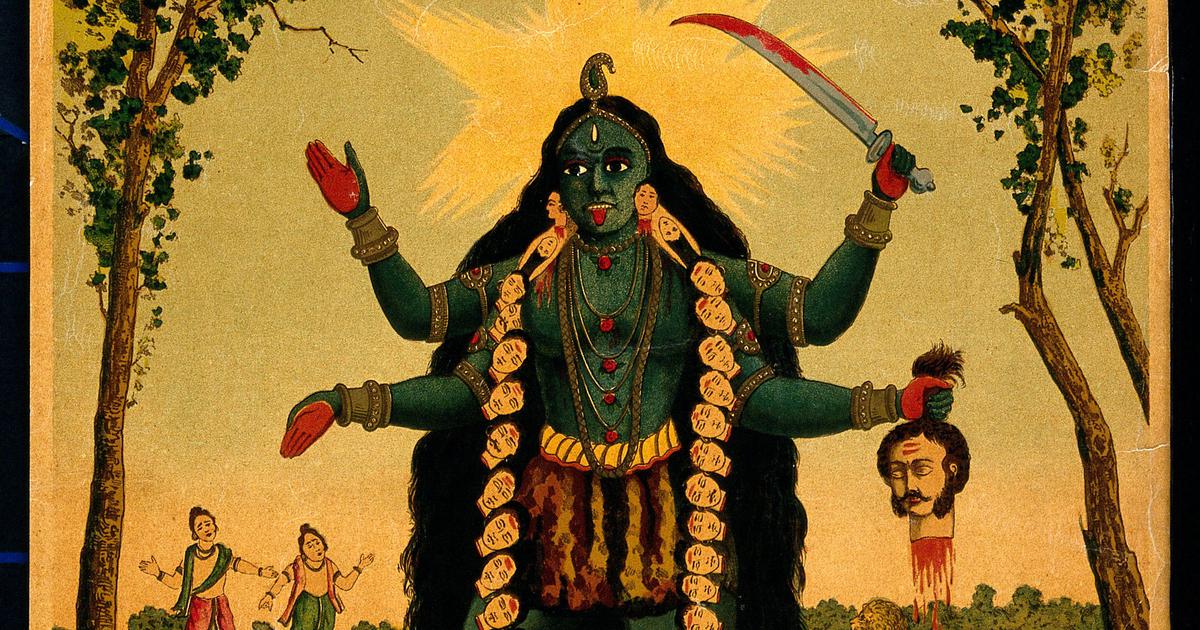
To illustrate his thesis, Banerjee examines the evolution of the goddess Kali throughout Bengali history. Initially perceived as a fearsome and primitive deity, Kali’s image has undergone significant transformations. From being a figure associated with darkness and destruction, she has become a symbol of empowerment and resistance against oppression. This trajectory reflects the shifting dynamics of society and the ways in which communities have reinterpreted spiritual figures to mirror their struggles and aspirations.
In an era where religious orthodoxy often conflicts with popular belief, Banerjee’s work serves as a reminder of the complexities inherent in faith. It challenges the binary divide between tradition and modernity, revealing how ordinary people’s beliefs are not merely survivals of antiquated practices but are instead living, breathing entities that continue to evolve. By documenting these rich narratives, Banerjee not only preserves the history of Bengal’s syncretic traditions but also invites contemporary society to appreciate the depth and diversity of its spiritual heritage.