The much-anticipated second season of the Prime Video series ‘Gram Chikitsalay’ has managed to carve out its unique identity, stepping away from the shadows of its predecessor. While the first season in 2025 drew comparisons to the popular show ‘Panchayat’, this new installment navigates a fresh narrative that challenges the audience to reassess their perceptions of rural India and healthcare.
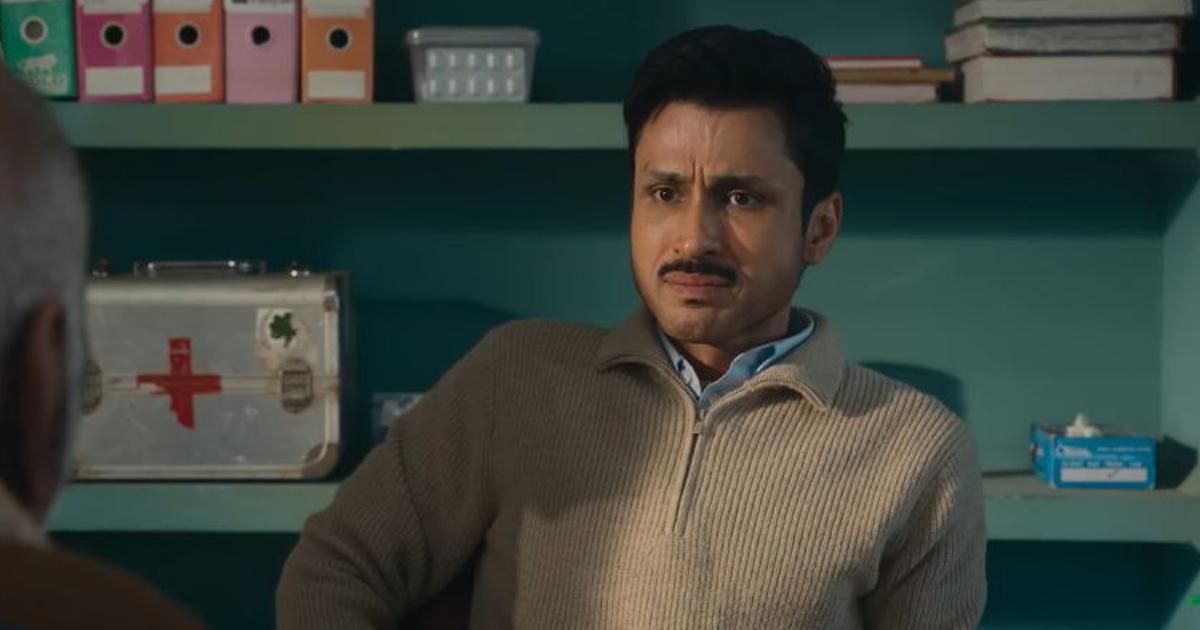
Amol Parashar returns as Prabhat, the urban doctor with a heart for rural service. Unlike many who flock to cities for better career prospects, Prabhat chooses to work at a primary health center in the fictional village of Bhatkandi, Jharkhand. His decision stems from a profound belief that he can effect meaningful change in the lives of the villagers. However, the reality is starkly different; Bhatkandi seems less interested in another medical officer, especially one from an urban background. The local community has grown accustomed to the services of Chetak, played charmingly by Vinay Pathak, a ‘jholawala’ who might lack formal qualifications but has an innate understanding of the villagers’ needs.
The show’s depiction of rural healthcare struggles feels authentic, as it sheds light on the inadequacies of the healthcare system in India. The gram chikitsalay, under Prabhat’s guidance, is far from an efficient medical center; it mirrors the bureaucratic hurdles and apathy often encountered in real-life medical facilities. In the first season, audiences watched Prabhat grapple with bureaucratic challenges, including reclaiming the land of the health center from a disgruntled farmer and instilling a sense of professionalism among his meager staff. This season continues to explore these themes while also delving deeper into the interpersonal dynamics within the village.
One of the highlights of the new season is the development of Prabhat’s character. As he faces obstacles ranging from skeptical villagers to uncooperative staff, his journey becomes a poignant exploration of what it means to serve in a system that often provides little support. The humor that characterized the first season remains, but it is infused with a greater sense of seriousness and depth this time around. This blend ensures that viewers not only laugh but also reflect on the pressing issues at hand.
The production quality has notably improved in this season, showcasing the beauty and challenges of rural life in a more nuanced manner. The cinematography captures the essence of Bhatkandi, creating a tapestry of visuals that resonate with both urban and rural audiences. Furthermore, the writing remains sharp, ensuring that every episode is packed with relatable moments that highlight the resilience and spirit of the villagers.
In summary, ‘Gram Chikitsalay’ Season Two is more than just a comedic take on rural healthcare; it is a thoughtful narrative that emphasizes the importance of connection, understanding, and service. As Prabhat continues to navigate the complexities of rural life, audiences are left with not just laughter but also critical reflections on the healthcare system and the societal structures surrounding it.