




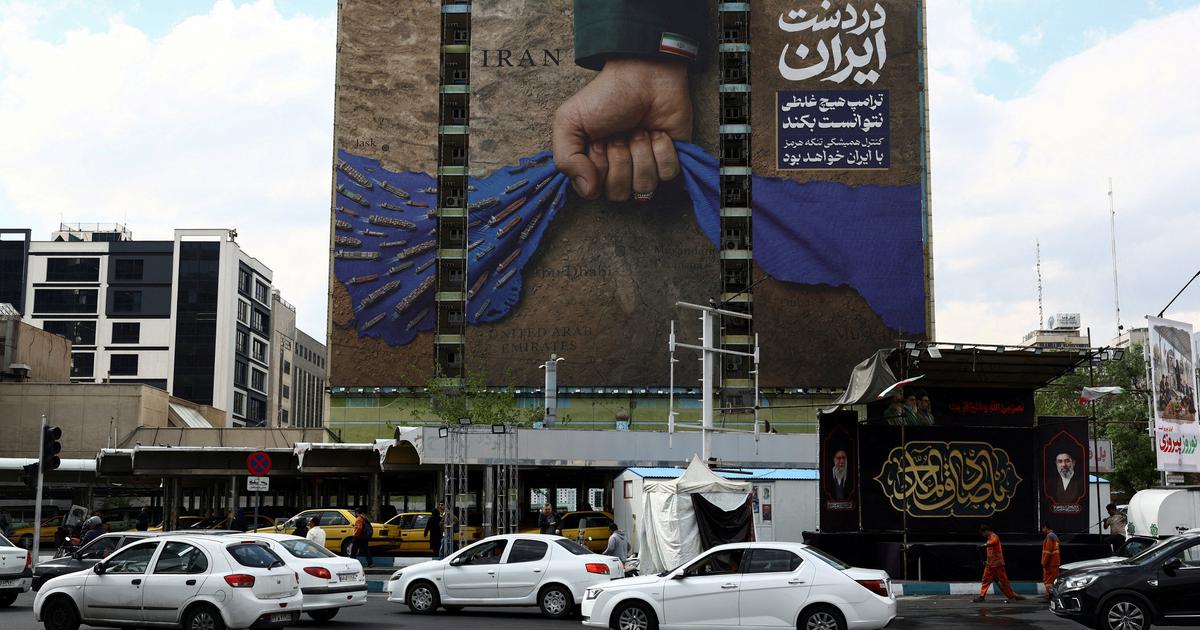
The Strait of Hormuz, a crucial maritime passage, is currently at the center of a geopolitical tug-of-war between Iran and the United States. This narrow waterway is not just a geographical feature; it serves as a vital artery through which approximately 20% of the world’s oil supply flows. While the geographical significance of the strait is universally acknowledged, its political and legal status is far more contentious, leading to starkly different interpretations by both nations.
The United States views the Strait of Hormuz as an international waterway, emphasizing the freedom of navigation in global waters. From this perspective, any imposition of tolls or restrictions on shipping by Iran is deemed illegal. Conversely, Iran regards the strait as part of its territorial waters, asserting sovereignty over the passage and its rights to control access. This fundamental disagreement forms the crux of ongoing tensions between the two nations.
As a critical chokepoint for international trade, the Strait of Hormuz’s strategic importance cannot be overstated. Its waters are traversed by countless vessels carrying oil and gas, making it a focal point in the global economy. With tensions running high, both countries have taken actions that they believe protect their interests but have led to accusations of violations of international law. For instance, Iran’s attempts to levy fees on ships passing through the strait are viewed by Washington as an affront to maritime law, while the US’s military interventions and blockades are seen as violations of Iranian sovereignty.
The complexities surrounding the law of the sea further complicate the situation. This body of international laws and agreements governs the rights and responsibilities of nations concerning maritime navigation and resource management. However, the interpretations of these laws differ significantly between the US and Iran, leading to a legal stalemate. While both nations operate within their own frameworks, they simultaneously exist in a realm that diverges from the consensus held by much of the international community.
As India looks to strengthen its energy security and maritime interests, understanding the dynamics of the Strait of Hormuz becomes increasingly important. With a significant portion of its oil imports passing through these waters, the stability of this region is crucial for India. Furthermore, as a nation that champions a rules-based international order, India has a vested interest in the resolution of disputes that threaten freedom of navigation in key maritime routes.
The ongoing discord between Iran and the United States underscores the broader geopolitical challenges faced in the region. As global powers navigate their strategic interests, the implications for countries like India become clearer. Maintaining a balance between regional stability and energy security will be vital for India’s future as it continues to engage in diplomatic efforts that promote collaboration and adherence to international norms.

