Supreme Court Orders Forensic Review of Audio Clip Tied to Manipur Violence and Ex-CM Biren Singh
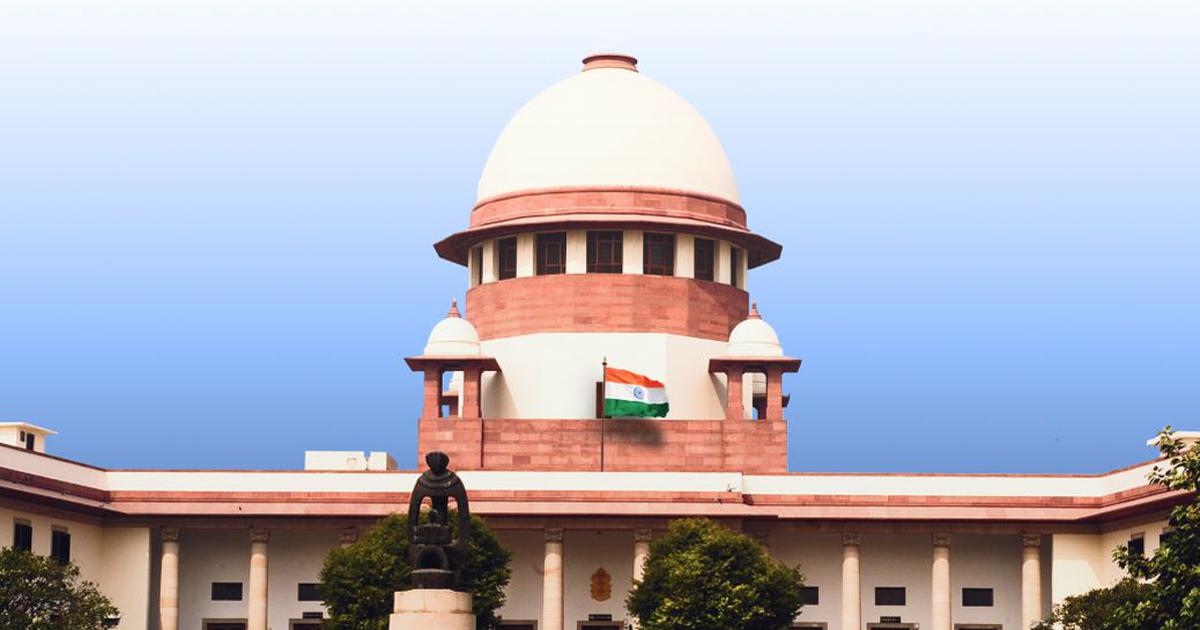
In a significant move, the Supreme Court of India has directed the National Forensic Sciences University to conduct a thorough examination of an audio recording that purportedly implicates former Chief Minister of Manipur, N Biren Singh, in the recent ethnic violence that has plagued the state. The direction was issued by Justices Sanjay Kumar and K Vinod Chandran following a petition by the Kuki Organization for Human Rights Trust, which submitted the full audio clip, spanning over two hours, for judicial scrutiny.
The Supreme Court has instructed the forensic laboratory in Gujarat to analyze the audio and compare the voice within it to that of Biren Singh. This step comes in light of allegations that the former Chief Minister made statements regarding the origins of the violence, claiming responsibility for the escalation of conflict in Manipur. According to the recordings, which are believed to date back to 2023, a voice resembling Singh’s is heard discussing how the violence began, boasting about disregarding a directive from Union Home Minister Amit Shah concerning the use of explosives, and allegedly providing protection to individuals involved in the looting of firearms from police armories.
The ethnic clashes in Manipur, which erupted in May 2023, have resulted in a tragic toll on the local population, with reports indicating that at least 260 lives have been lost and over 59,000 individuals displaced. The violence primarily stems from tensions between the Meitei community and the Kuki-Zo-Hmar groups, leading to widespread unrest and periodic surges in violence that continue to affect the region into 2025. Biren Singh, who stepped down from his role as Chief Minister in February 2025 amid intense criticism from various Kuki-Zomi-Hmar organizations, has faced mounting allegations regarding his handling of the situation.
The Supreme Court’s decision to order a forensic examination reflects the gravity of the ongoing situation in Manipur, where the ramifications of political decisions and ethnic tensions have created a volatile environment. The court’s action underscores the need for accountability and transparency in addressing the root causes of the violence that has marred the lives of countless individuals in the state. As the forensic investigation unfolds, the implications for Singh and the broader political landscape in Manipur remain to be seen, raising critical questions about governance and community relations in a region grappling with deep-seated divisions.