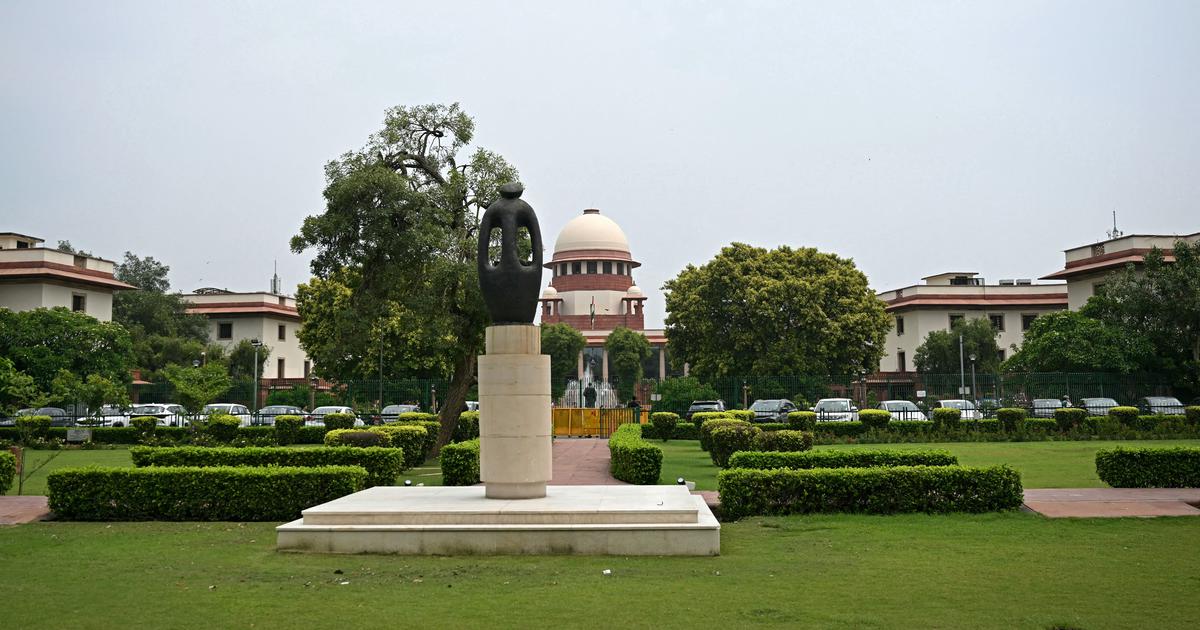
The Supreme Court of India has expressed significant reservations regarding the inclusion of a Union Cabinet minister in the committee responsible for appointing the Chief Election Commissioner and the other two members of the Election Commission. This inquiry arose during a recent hearing that examined the constitutional validity of a controversial law introduced in 2023, which dictates the procedure for selecting key members of the electoral body.
A bench led by Justices Dipankar Datta and Satish Chandra Sharma scrutinized the current structure of the selection committee, which comprises the Prime Minister, a Union Cabinet minister, and the Leader of the Opposition in the Lok Sabha. The court highlighted a critical concern: the government’s ability to assert a 2:1 majority over the Leader of the Opposition in case of disagreement. This raises questions about the independence of the Election Commission, a body that plays a crucial role in ensuring free and fair elections across the nation.
The legislative change, enacted in December 2023, replaced a framework established by a Supreme Court judgment in March 2023. That earlier ruling prescribed a selection committee made up of the Prime Minister, the Leader of the Opposition, and the Chief Justice of India, reflecting a more balanced approach to the appointment process. The current law, however, appears to revert to a system that could potentially compromise the impartiality of the electoral commission.
During the hearing, Justice Datta emphasized that mere independence from executive influence is not sufficient; the Election Commission must be perceived as independent in its operations. This statement underscores a broader concern regarding the integrity of democratic institutions in India, especially amidst ongoing debates about the influence of the ruling government on various state mechanisms.
The discussion surrounding the appointment of Election Commissioners is part of a larger narrative about electoral reforms in India. Critics argue that the current composition of the selection committee could lead to a lack of accountability and transparency within the Election Commission, potentially undermining its role as a guardian of the electoral process. As the court deliberates on the constitutional challenges posed by the law, the implications for the future of India’s electoral democracy remain a pressing issue.