




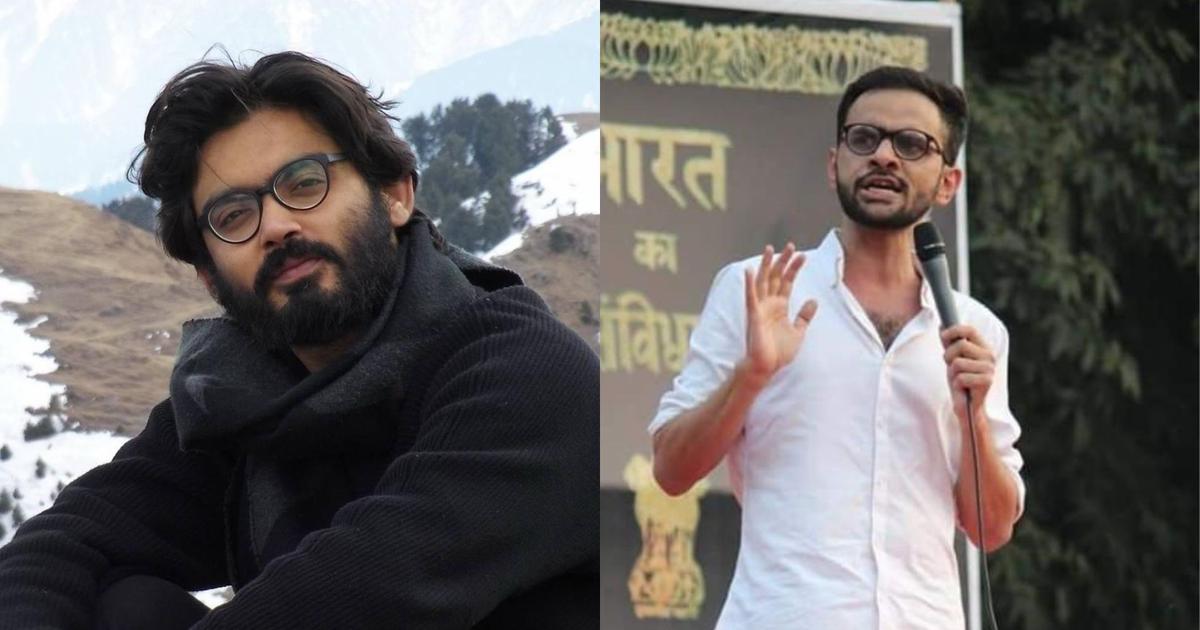
The Supreme Court of India has recently expressed regret over its previous ruling denying bail to activists Umar Khalid and Sharjeel Imam, emphasizing that the principle of granting bail should prevail even in cases involving the Unlawful Activities Prevention Act (UAPA). This critical reflection came during proceedings on Monday, where the court reiterated that “bail is the rule and jail is the exception.”
In a ruling issued on January 5, the Supreme Court had denied bail to Khalid and Imam amidst allegations of their involvement in a conspiracy related to the Delhi riots. However, the court had granted bail to several other individuals associated with the case, raising questions about the consistency of its decisions. This inconsistency became a focal point during the recent hearings, which involved a separate petition from Syed Iftikhar Andrabi, challenging a bail denial by the Jammu and Kashmir High Court in a narco-terror case.
The bench, comprising Justices BV Nagarathna and Ujjal Bhuyan, took a critical stance on the earlier decision by stating that it overlooked crucial precedents established by a three-judge bench in the landmark 2021 case of Union of India versus KA Najeeb. This pivotal ruling held that prolonged detention and delays in the judicial process could justify overriding the usual statutory limitations on bail under UAPA. The Supreme Court’s acknowledgment of this precedent showcases its commitment to ensuring that the rights of the accused are respected, even in serious cases of terrorism.
This turn of events highlights a significant shift in the court’s approach to UAPA cases, which have faced scrutiny for their stringent bail conditions. The UAPA has been criticized by various civil rights groups for its potential misuse against dissenters and activists, raising concerns about the erosion of civil liberties in the name of national security. The Supreme Court’s recent remarks may signal a more balanced perspective, recognizing the importance of individual rights in the face of allegations that carry severe implications.
The implications of the Supreme Court’s revisitation of its bail principles could resonate broadly across the Indian legal landscape, potentially paving the way for other activists and individuals facing similar charges. The court’s insistence on maintaining a fair judicial process is critical in restoring public confidence in the legal system, particularly in politically charged cases. As debates surrounding civil rights and national security continue to evolve, this ruling serves as a reminder of the delicate balance that must be maintained in the pursuit of justice.

