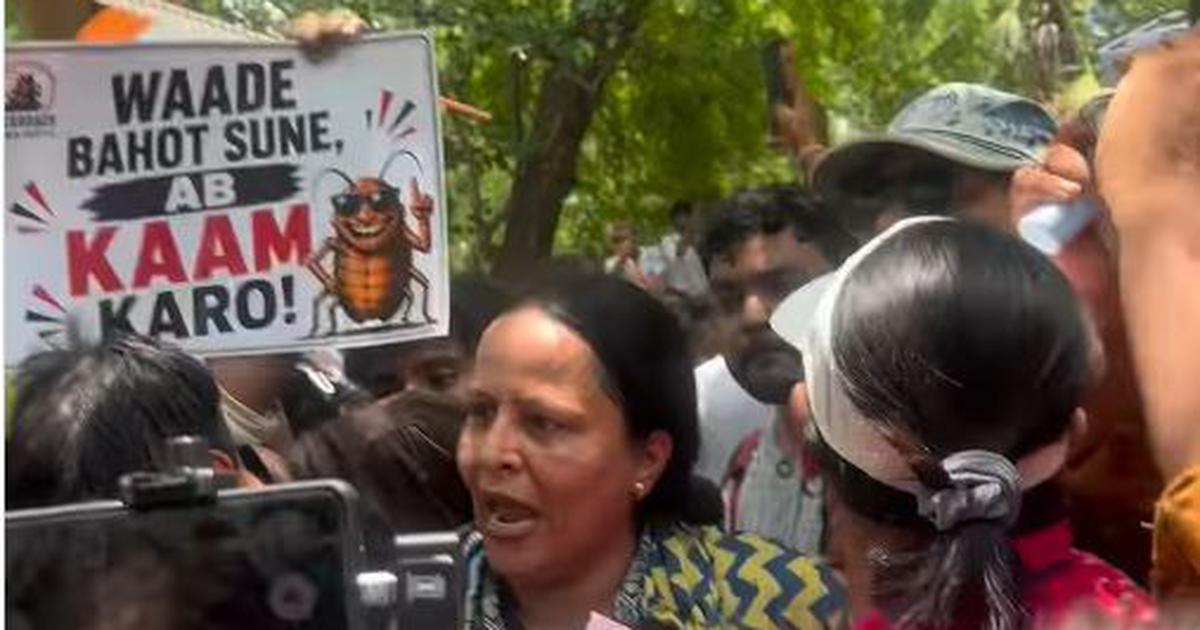
Supreme Court Ruling on Dalit Converts Sparks Constitutional Debate on Caste and Religion
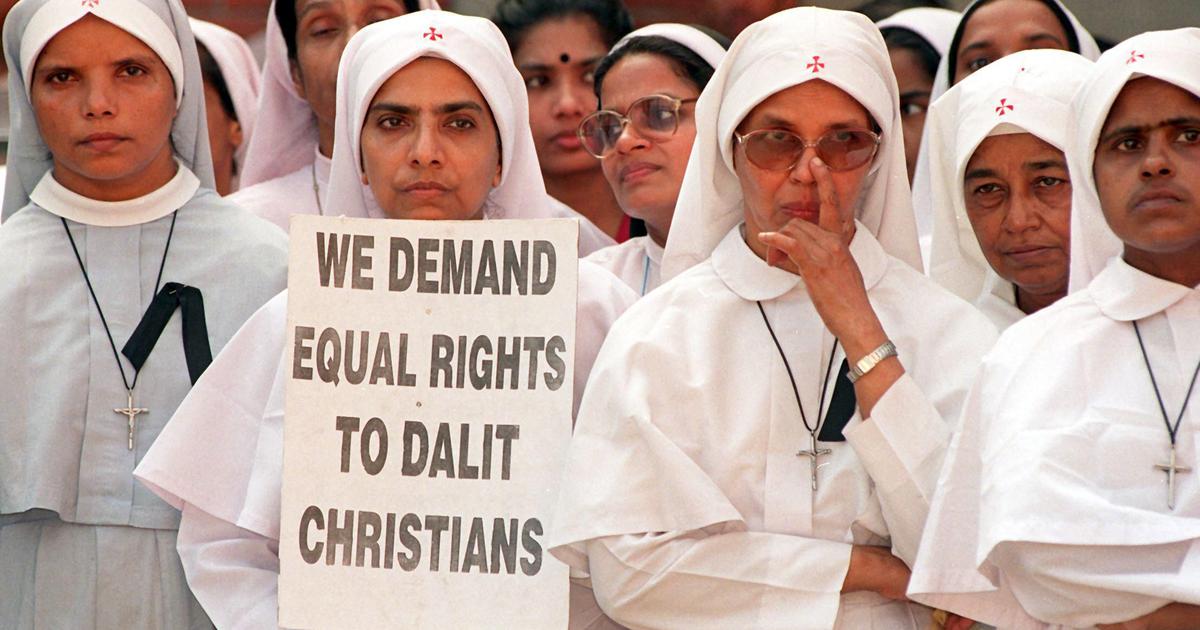
The recent reaffirmation by the Supreme Court concerning the exclusion of Dalit converts from Scheduled Caste (SC) status has reignited a significant constitutional debate in India. The Court’s declaration that this exclusion is ‘absolute and admits no exception’ goes beyond mere legal clarification; it touches upon the fundamental question of whether the law can withhold protection against caste-based discrimination solely based on a change in religion.
This issue is particularly pressing for the Dalit community, as it raises pivotal questions about identity and discrimination. The Supreme Court’s stance suggests that once a Dalit converts to religions such as Islam or Christianity, they lose access to crucial benefits, including reservations, scholarships, and protections under the SC/ST (Prevention of Atrocities) Act of 1989. With a strict interpretation of Clause 3 of the Constitution (Scheduled Castes) Order, 1950, which originally only encompassed Hindus, and later extended to Sikhs and Buddhists, the Court has consistently maintained that SC status is a matter of legal recognition rather than a reflection of lived experience.
Critics argue that such a legal framework fails to acknowledge the ongoing realities of caste discrimination faced by converts, regardless of their religious affiliation. Statistics from the National Crime Records Bureau (NCRB) reveal that thousands of atrocities continue to be reported against Scheduled Castes, raising the question of whether caste identity truly vanishes upon conversion. The disconnect between legal provisions and social realities intensifies the debate surrounding the rights of Dalit converts, who find themselves in a precarious position, stripped of protections that were meant to safeguard them.
Moreover, the issue is further complicated by the perception that caste is an enduring social construct that persists irrespective of one’s religious beliefs. While the Constitution aims to promote social justice and equality, the rigid application of laws such as the one governing SC status creates a dichotomy that can leave vulnerable groups without support. This raises critical questions about the nature of identity and the extent to which the law should adapt to reflect changing social realities.
As India continues to grapple with issues of caste and religion, the Supreme Court’s ruling serves as a reminder of the complexities involved in addressing discrimination. The ongoing dialogue surrounding this matter highlights the need for a reassessment of policies that govern caste-based protections, particularly for those who have chosen to convert. As the nation progresses, finding a balance between legal frameworks and the lived experiences of all its citizens remains essential for fostering true equality and justice.