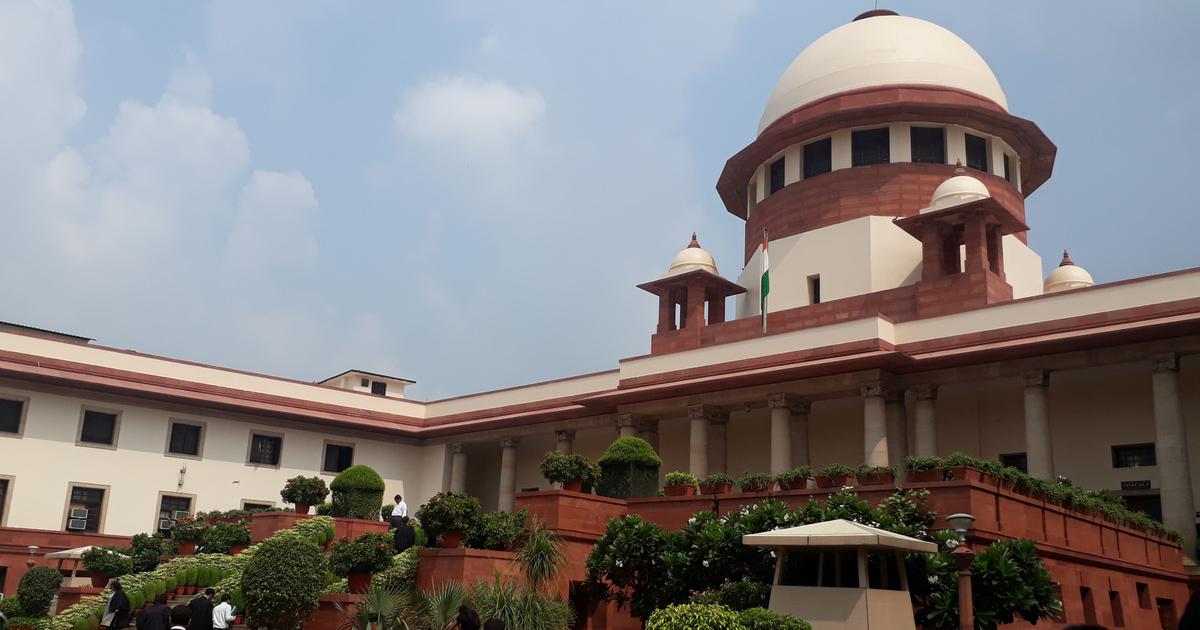
In a significant ruling, the Supreme Court of India declined to entertain a plea by the All India Institute of Medical Sciences (AIIMS) challenging a prior order that permitted the termination of a 30-week pregnancy of a minor girl. The court emphasized the importance of allowing parents to make critical decisions regarding their child’s health and well-being.
The case has drawn considerable attention, as it highlights the complexities surrounding abortion laws in India, particularly in cases involving minors. The bench, led by Chief Justice Surya Kant, asserted that the choice should rest with the parents and not with institutions, especially in a distressing scenario where the pregnancy resulted from rape.
This ruling follows an earlier decision made on April 24, where a different bench, headed by Justice BV Nagarathna, sanctioned the medical termination of the pregnancy and instructed AIIMS to facilitate the procedure. In a subsequent legal twist, AIIMS filed a review petition, which was dismissed, forcing the institution to approach the Supreme Court again with a curative plea.
During the latest proceedings, Additional Solicitor General Aishwarya Bhati argued that with the fetus being 30 weeks along, there is a high likelihood that the baby could survive if born. She cautioned that terminating the pregnancy at this late stage could lead to irreversible harm to the minor, raising ethical and medical concerns about the nature of the procedure.
The Supreme Court’s decision to allow AIIMS to provide counseling to the girl and her family reflects a compassionate approach to a deeply troubling situation. It recognizes the need for informed consent in such sensitive matters, ensuring that the family can weigh their options with proper guidance. This ruling is a pivotal moment in the ongoing debate over reproductive rights and the autonomy of minors in India, particularly in the context of sexual violence.