As India steadily advances towards a sustainable energy future, the rise of wind farms raises concerns beyond their environmental benefits. New insights from wildlife experts reveal that these renewable energy sources may pose a significant risk to bat populations across the country.
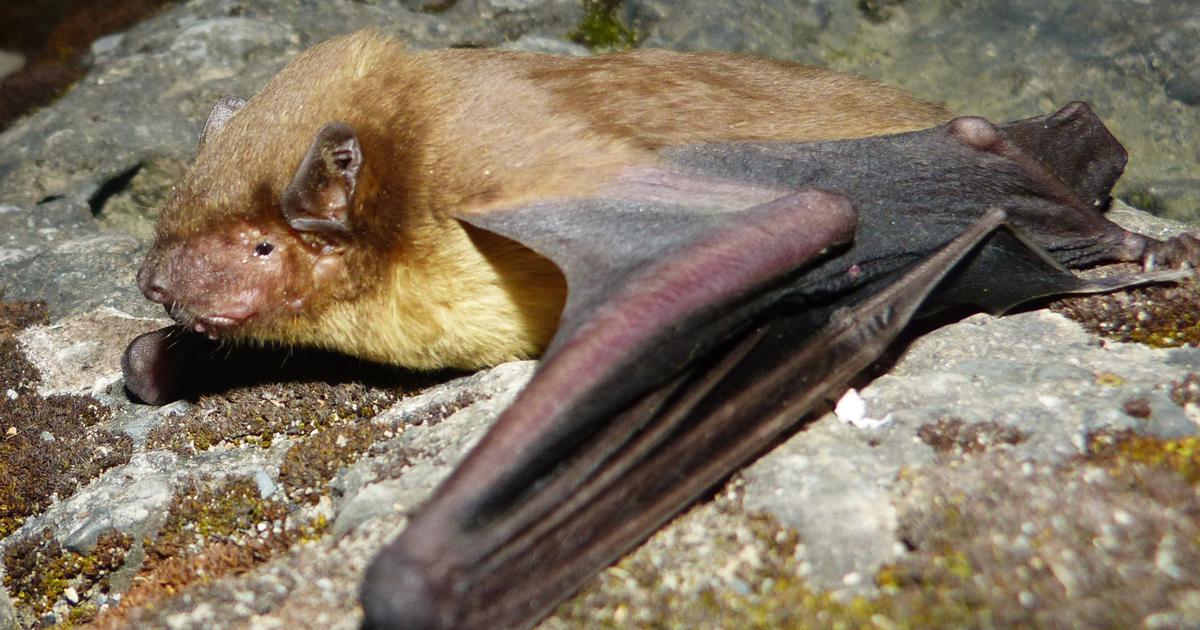
Globally, wind turbines have become a silent killer for millions of bats each year. While bats play a crucial role in ecosystems, such as pollination and pest control, they are increasingly vulnerable to various threats. A comprehensive report by the Convention on the Conservation of Migratory Species and Wild Animals (CMS) outlines that factors such as habitat destruction from urbanization and agriculture, hunting, and climate change have already placed many bat species in peril.
Despite the urgency of the situation, discussions surrounding biodiversity often overlook the potential dangers posed by renewable energy infrastructures, including wind farms. The recent “State of Indian Bats” report highlights wind turbines as a significant threat to these flying mammals. However, the report also underscores critical gaps in our understanding of this issue.
According to bat researcher Rohit Chakravarty, there are three primary areas where data is lacking. First, it remains unclear which bat species are most at risk from these collisions. Second, the extent of mortality due to wind turbines is yet to be fully quantified. Finally, researchers are still investigating whether there are seasonal trends in bat fatalities linked to wind farm operations. This information is vital, as India is home to approximately 135 bat species, representing around 10% of the world’s diversity. Notably, about sixteen species are endemic to the country.
Bat Conservation International reports that only 23% of the 122 Indian bat species assessed by the International Union for Conservation of Nature (IUCN) have stable populations, while the remainder is facing declines. This alarming statistic emphasizes the need for immediate attention to the effects of wind farms on bat mortality.
As the wind energy sector continues to expand, it is essential to understand what is causing these fatal collisions. Bats, with their nocturnal habits and erratic flying patterns, are particularly susceptible to colliding with turbine blades. The situation calls for urgent measures to mitigate risks, such as strategic placement of wind farms away from key habitats and implementing technology that can help detect and deter bats.
Moreover, as India ramps up its commitment to renewable energy, it is imperative that conservationists and policymakers work together. Integrating wildlife conservation with renewable energy planning could ensure that efforts to combat climate change do not inadvertently threaten biodiversity. Enhanced monitoring and research efforts are necessary to fill the existing data gaps and develop effective strategies for protecting both bats and the burgeoning wind energy sector.