On April 29, as West Bengal witnessed its electoral fervor, a disturbing video emerged from Noapara in the North 24 Parganas district, capturing a violent altercation between political factions. The footage, which quickly went viral, features a group of men brutally assaulting others in a cramped lane, while Central paramilitary forces stood by, seemingly indifferent to the chaos unfolding before them.
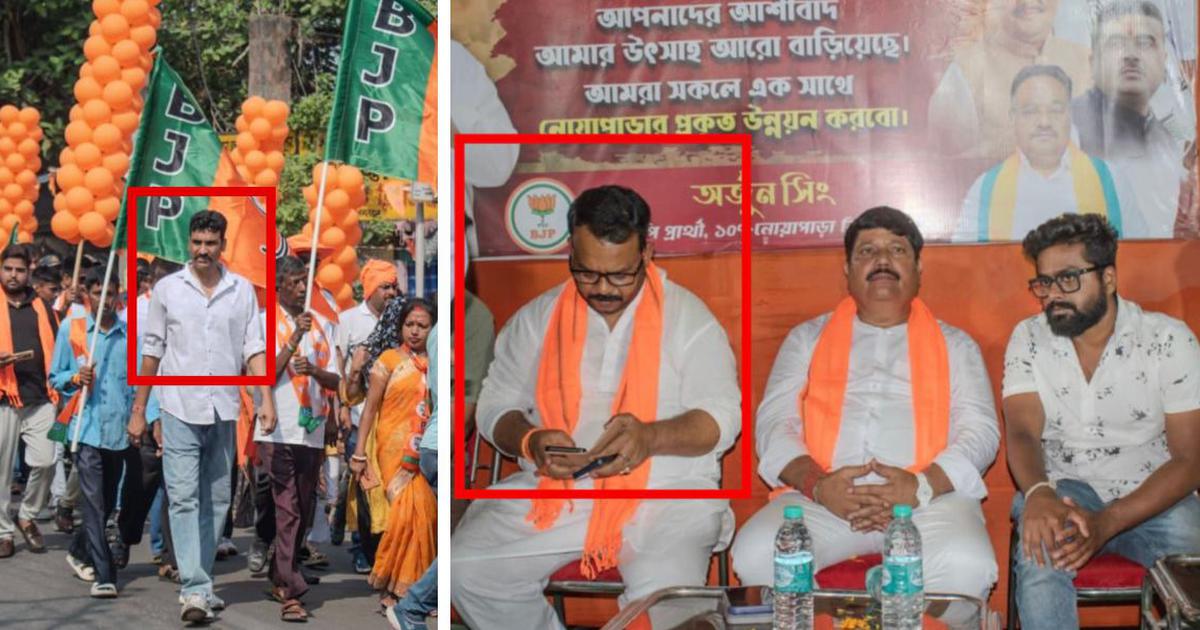
The skirmish is reported to have been a confrontation between supporters of the Bharatiya Janata Party (BJP) and the Trinamool Congress (TMC). While initial reports were unclear about the identities of the assailants, investigations revealed that at least two individuals involved in the violence were affiliated with the BJP. Among them was Manash Dey, who was later identified as a vice-president of the Barrackpore organizational committee of the party, having been appointed to the position in September 2025.
In the footage, Dey is prominently seen assaulting a man wearing a blue t-shirt, raising questions about the role of law enforcement during such charged political events. Dey justified his actions to media outlets, claiming he was merely attempting to prevent the ‘other party’ from disrupting the polling process, a statement that adds a layer of complexity to the narrative of aggression during elections.
The disturbing incident occurred at polling station 120, part of the broader electoral exercise that was taking place across the region. As reported, this clash not only highlights the rising tensions between the two major political parties in West Bengal but also raises critical questions about the effectiveness of Central forces during elections. Their apparent inaction amid clear violence has drawn widespread criticism, with many questioning the commitment to maintaining peace and security on such a pivotal day.
This skirmish is part of a troubling trend observed during elections in West Bengal, where political violence has escalated over the years. As the state enters a critical phase of electoral politics, incidents like this underline the urgent need for introspection regarding electoral conduct and the responsibility of law enforcement to ensure free and fair elections.