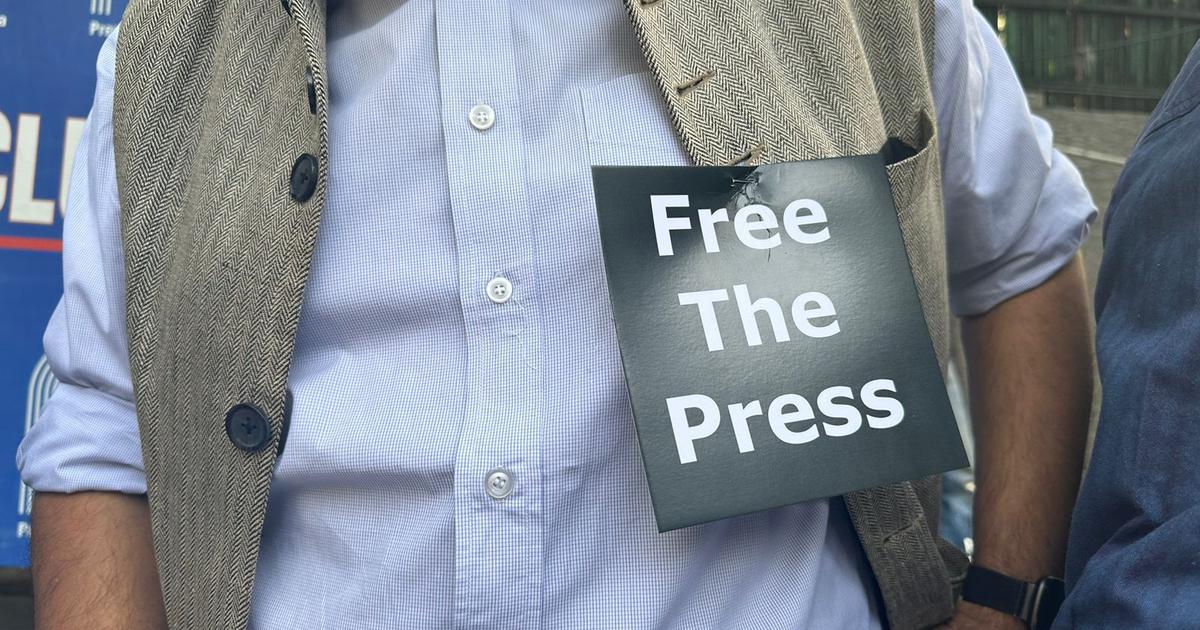
In a concerning revelation, India has slipped to 157th place out of 180 nations in the latest World Press Freedom Index, as reported by the media watchdog Reporters Sans Frontières. This marks a significant drop from 151st in the previous year, solidifying India’s position in the ‘very serious’ category regarding press freedom. The organization has been tracking press freedom since 2002, highlighting a troubling pattern of judicial harassment and restrictions faced by independent media in the country.
The findings come as the Indian rupee experienced a dramatic fall, hitting a record low of 95.3 against the US dollar. This decline is attributed to climbing global oil prices and a downturn in domestic equity markets. By the end of the trading session, the rupee managed to recover slightly, closing at 94.2 against the dollar. The fluctuations in currency reflect broader economic challenges faced by the country.
On the global stage, oil prices surged by over 7% on Thursday, reaching a four-year high. The spike was driven by reports of an extended blockade on Iranian ports by the United States, a move that has further strained global oil supply chains. The benchmark Brent crude prices soared to $126.4 per barrel at one point before settling around $116, a stark increase from $78 per barrel just before the onset of conflict. Such volatility in oil prices not only affects international markets but has direct implications for India, a major importer of crude oil.
Amidst these economic pressures, there is a growing concern about public health in India due to misleading advertising practices in the food industry. Many products marketed as ‘sugar-free’ or ‘real’ juices contain artificial ingredients, which contribute to a rising public health crisis. The pervasive nature of these misleading claims calls for urgent action to expose the systemic failures in regulation and consumer protection.
The combination of declining press freedom and economic instability raises critical questions about the state of democracy and governance in India. As the nation grapples with these challenges, it becomes increasingly important for citizens to remain informed and engaged in advocating for transparency and accountability in both the media and government sectors.