The recent defeat of the 131st Constitutional Amendment Bill in Parliament has reignited crucial discussions surrounding the delimitation of electoral constituencies in India. This event, which occurred on April 16, 2023, underscores the complexities of ensuring equitable representation in an ever-evolving demographic landscape.
The proposed amendment aimed to raise the Lok Sabha’s maximum representation to 850 members, reflecting India’s soaring population of 1.5 billion. However, the bill failed to garner the necessary two-thirds majority, primarily due to its reliance on the 2011 Census. This approach was controversial, as it bypassed the constitutional stipulation that mandates waiting for the first Census post-2026, which is currently in progress.
Southern states have voiced significant concerns regarding delimitation, arguing that a new distribution of seats would unfairly penalize them. Their successful efforts in controlling population growth compared to their northern counterparts could result in a diminished share of Lok Sabha seats, raising questions about the fairness of representation in a larger parliament. This has sparked debates about the need for a more nuanced approach to delimitation that recognizes regional population dynamics and their impact on political representation.
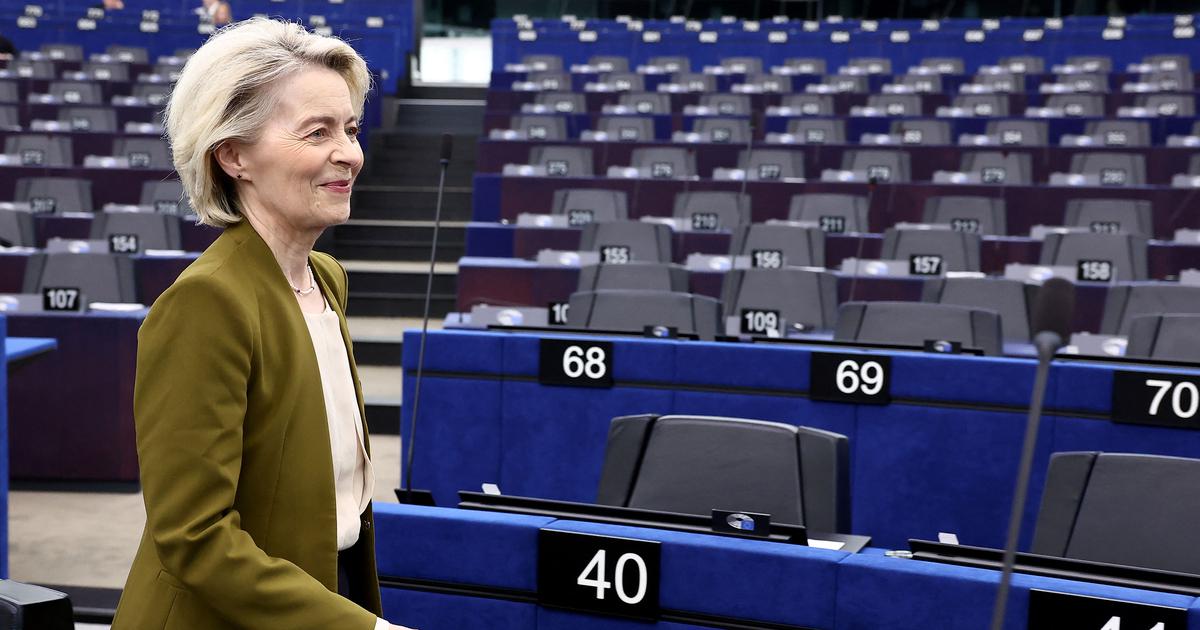
Given the failure of the recent bill, the urgency to find a viable solution for redrawing constituency boundaries is palpable. A potential model for India may lie in international practices, such as the “Cambridge compromise” of 2011 in Europe, which sought to balance representation while considering demographic shifts. This compromise could provide insights into how India might effectively allocate seats among its states and Union Territories in a manner that is just and equitable.
The challenges posed by delimitation are not merely technical but deeply political. As India grapples with the implications of an expanded Lok Sabha, leaders and policymakers must prioritize fair representation that acknowledges the diverse demographic realities across the nation. The journey towards a restructured Lok Sabha requires a collective effort to address the concerns of all states while fostering a spirit of unity and cooperation in the face of demographic changes.