Rediscovering a Classic: ‘The Third Man’ – A Cinematic Journey Through Shadows and Deception
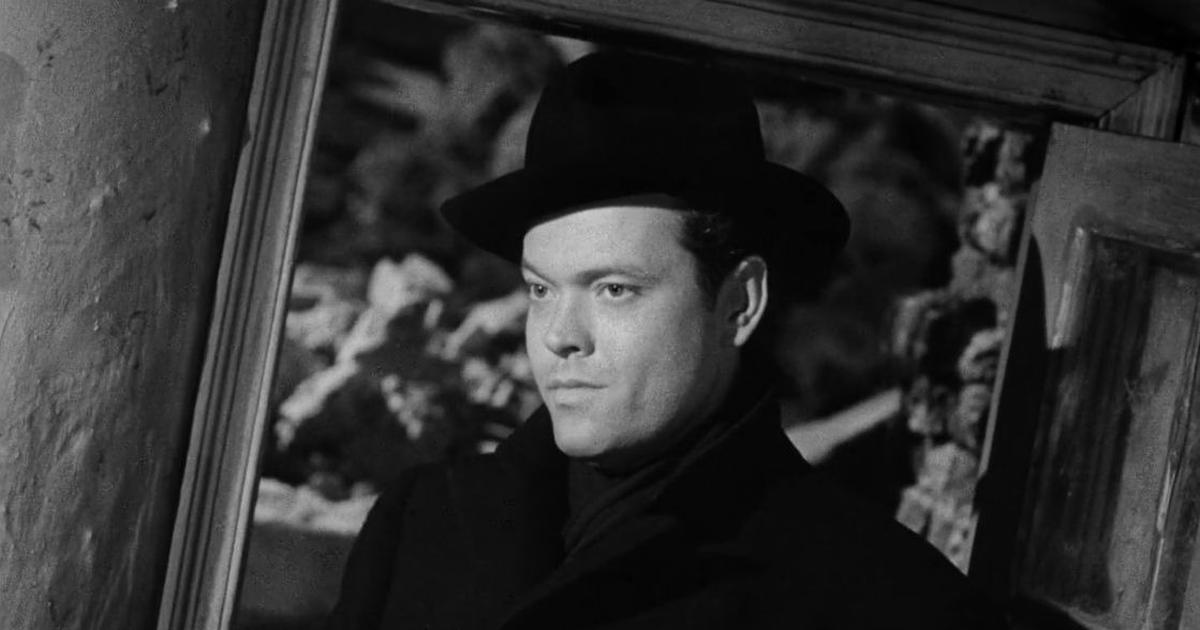
In the realm of classic cinema, few films have left as indelible a mark as Graham Greene’s ‘The Third Man.’ Originally conceived as a screenplay for the 1949 film directed by Carol Reed, this cinematic masterpiece quickly transcended its initial purpose. Greene, who had previously collaborated with Reed on ‘The Fallen Idol’ in 1948, brought forth ‘The Third Man’ as a novella in 1950, emphasizing its visual storytelling over written prose.
Set against the haunting backdrop of post-World War II Vienna, ‘The Third Man’ immerses viewers in a city that, while adorned with stunning Baroque architecture and quaint cobblestone streets, is rife with corruption and intrigue. The film’s narrative unfolds in a disconcerting atmosphere where characters lurk in the shadows, and the underbelly of society operates through a vast network of sewers, facilitating the smuggling of goods and people. This duality of beauty and treachery is a central theme that resonates throughout the film.
The story follows American pulp fiction writer Holly Martins, portrayed by Joseph Cotten, who arrives in Vienna to reconnect with his friend Harry Lime, played by the iconic Orson Welles. Upon his arrival, Martins learns of Lime’s tragic death in an accident, a revelation that ignites his suspicions. Determined to uncover the truth, Martins embarks on an investigation, aided by Interpol officer Calloway, deftly portrayed by Trevor Howard. As Martins delves deeper into the murky circumstances surrounding Lime’s demise, he discovers a darker side to his friend’s life, one that reveals shocking secrets and moral ambiguities.
One of the film’s most compelling aspects is the character of Anna, played by Alida Valli, who stands at the crossroads of love and betrayal. Her insistence on Lime’s innocence complicates Martins’s quest for the truth, adding layers of emotional depth to the narrative. This interplay between affection and deception creates a rich tapestry that keeps the audience engaged and questioning the motives of each character.
‘The Third Man’ is not just a tale of suspense; it is also a visual feast. The film is renowned for its masterful use of architectural elements, innovative camera angles, and striking shadows, which contribute to the overall atmosphere of unease. The stylistic choices made by Reed elevate the film from a mere narrative to an experience that lingers long after the credits roll. For those who appreciate the art of film, watching ‘The Third Man’ is akin to stepping into a world where every frame tells a story.
This cinematic treasure is now available for viewing on Prime Video, offering a chance for both new audiences and longtime fans to revisit its profound themes and artistic brilliance. As Indian viewers explore international cinema, ‘The Third Man’ stands as an exemplary work that showcases the era’s filmmaking prowess, providing a compelling narrative that remains relevant today.