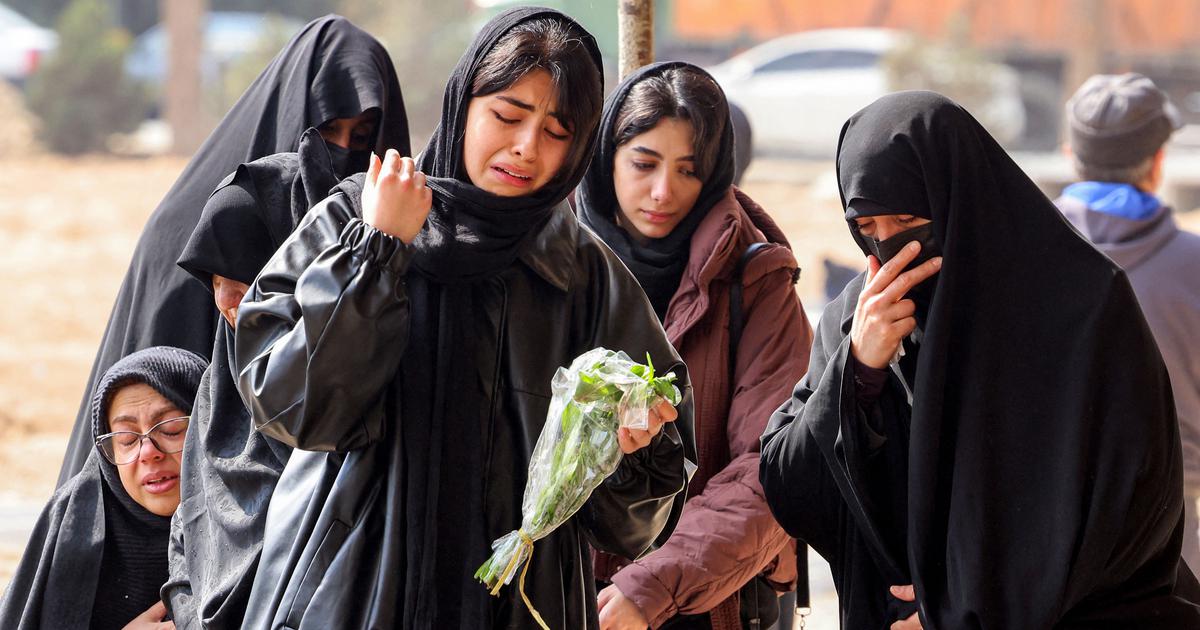
The ongoing conflict involving the United States and Israel against Iran has ignited not only a geopolitical crisis but has also led to a grave humanitarian catastrophe, with women and children facing the harshest consequences. The impact of warfare is often quantified through casualty figures and infrastructure damage; however, the long-lasting effects are predominantly shouldered by women and girls, who find their lives further ensnared in existing inequalities.
According to the United Nations, the conflict has resulted in the displacement of approximately 3.2 million Iranians, with a significant portion being women and children. The relentless bombings and missile strikes have forced families to flee their homes, leading to immense strain on Iran’s infrastructure and essential services, particularly in the capital, Tehran. In addition to this, over 110,000 individuals have sought refuge in neighboring countries, exacerbating the regional humanitarian crisis.
Moreover, the situation is dire for around 1.65 million Afghan refugees who were previously sheltered in Iran. The renewed hostilities compel many of these women to return to Afghanistan, where they face an even more regressive and conservative socio-political environment under Talibani rule. For these women, the reality is not just about physical displacement but about returning to systemic oppression that threatens their rights and freedoms.
Since the escalation of conflicts in February, the plight of women and girls has intensified, with reports of airstrikes resulting in widespread civilian casualties. One of the most harrowing incidents was the bombing of a girls’ elementary school in Minab, which tragically claimed the lives of over 160 children, highlighting the indiscriminate nature of violence that war inflicts upon the most vulnerable.
As the international community grapples with the ramifications of this conflict, it is crucial to bring attention to the specific struggles faced by women and children in war-torn regions. Their stories often remain overshadowed by the broader political narratives, yet they exemplify the urgent need for humanitarian intervention and support. Addressing the consequences of warfare on this demographic is not merely a matter of moral obligation but a necessary step toward fostering peace and rebuilding lives shattered by conflict.