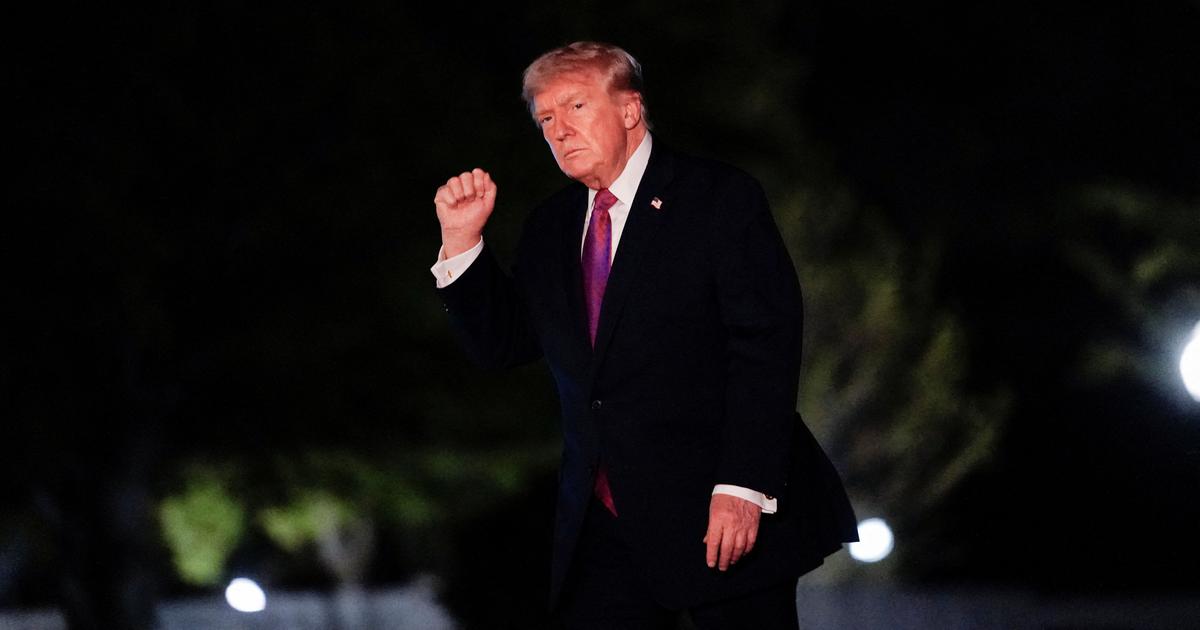
The impact of individual leaders on history often sparks debate among historians, and the case of Donald Trump illustrates this phenomenon vividly. Drawing from the wisdom of thinkers like EH Carr, who critiqued the notion that history is merely shaped by prominent figures, we find ourselves in a world where individual actions can significantly alter a nation’s trajectory.
In the context of the United States, Trump’s ascent to power cannot be divorced from the socio-economic landscape that preceded it. The disenchantment of the White working class, largely due to the forces of globalization, created fertile ground for Trump’s populist message. His adept use of social media also played a pivotal role in amplifying his influence, allowing him to connect with supporters in unprecedented ways. However, this connection was often marred by misinformation and divisive rhetoric, leading to a polarized America.
Once in office, Trump’s policies and decisions began to have profound consequences on various aspects of American life. From his approach to immigration, which sparked controversies and humanitarian crises, to his handling of international relations, he reshaped the United States’ image on the world stage. His withdrawal from international agreements alienated allies and emboldened adversaries, while his rhetoric often undermined diplomatic norms.
Furthermore, the economic policies Trump implemented had lasting effects. While some argue that his tax cuts spurred economic growth, others contend that they disproportionately benefited the wealthy, exacerbating income inequality. This has led to a growing discontent among those who feel left behind in an economy that favors the elite.
In addition to economic and foreign policy changes, Trump’s presidency also ignited a cultural backlash that shook the very foundations of American society. The rise of movements advocating for racial and social justice was, in part, a reaction to the divisive atmosphere fostered during his tenure. The aftermath of events like the George Floyd protests showcased the urgent need for a national reckoning with issues of race and police violence.
As historians reflect on Trump’s legacy, they may find that his time in office serves as a cautionary tale of how leadership can dramatically shape a nation—both positively and negatively. The lessons learned during this period will undoubtedly influence future political discourse in America and beyond.