After 15 years in power, the Trinamool Congress has collapsed with stunning speed — undone by a landslide defeat, a party split, and a rebellion stretching from Bengal’s municipalities to the halls of Parliament.
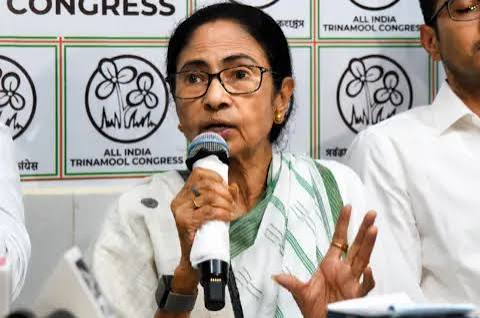
The BJP won 208 seats on May 4, ending Mamata Banerjee’s 15-year rule in West Bengal and handing the chief ministership to Suvendu Adhikari — her former protégé. What followed was not just a political defeat. It was the beginning of a collapse.
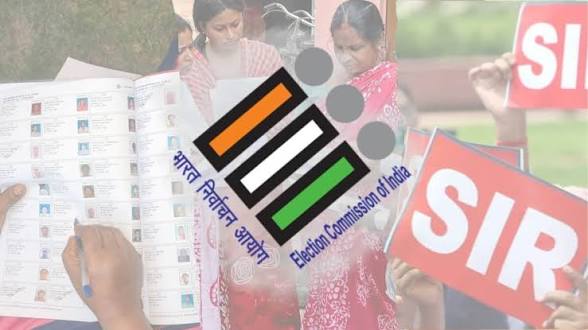
The rout had been building for years. The 2024 rape and murder of a trainee doctor at R. G. Kar Medical College had triggered mass protests across Bengal. Corruption, authoritarian governance, and political violence had accumulated through five terms in power. The SIR process added a final twist: TMC alleged that nearly three million likely supporters were stripped from the voter rolls as suspected non-citizens before polling day — a claim the Supreme Court declined to act on, upholding the revision as valid.
“Take charge, leader.”
— MP Kakoli Ghosh Dastidar, in an open letter to Mamata Banerjee, May 2026
The internal unravelling has been swift. Over 100 municipal councillors resigned within weeks of the result. MP Kakoli Ghosh Dastidar quit all party posts, blamed consultancy firm I-PAC for “ruining” the party, and was later seen at a meeting chaired by Chief Minister Adhikari. By June, 19 Lok Sabha MPs had signed a dissent note declaring themselves the “real TMC,” with some exploring alignment with the BJP-led NDA. Even Kalyan Banerjee, a Mamata loyalist for over two decades, has publicly turned on Abhishek Banerjee — her nephew and heir apparent.
Mamata herself has yet to articulate a strategy. She staged a dharna in Kolkata this week to protest post-poll violence — street politics being, for now, her only instrument. Whether the party reinvents itself in opposition or fractures entirely is the defining political question in eastern India heading into the second half of 2026.