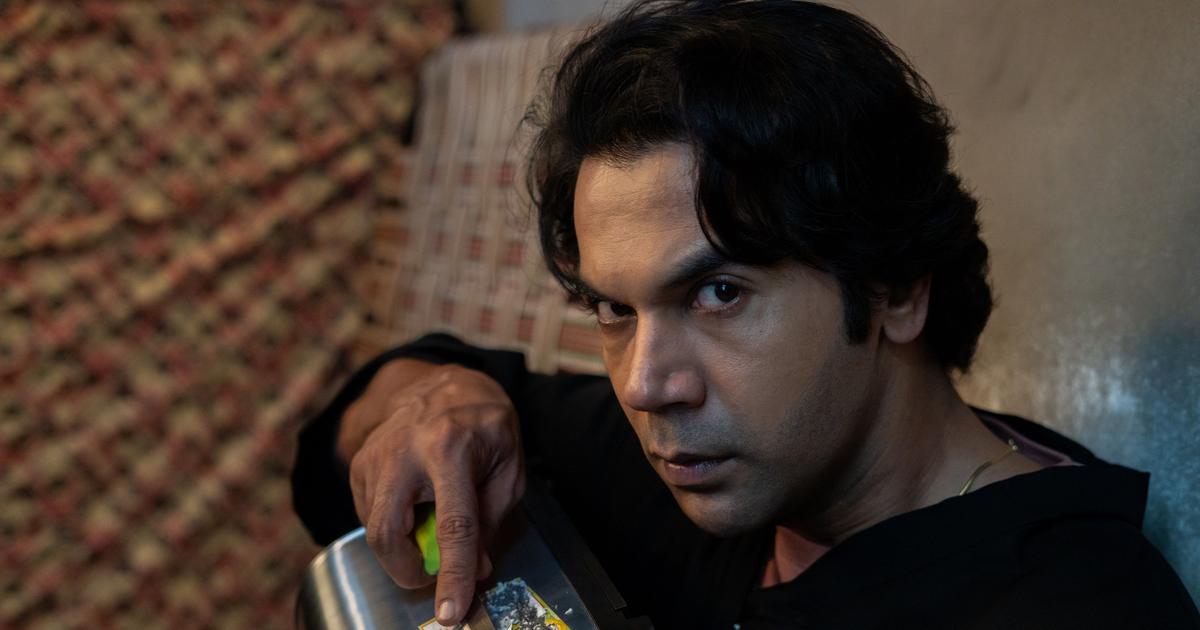
In the whimsical world of Indian cinema, where comedy often intertwines with social commentary, the new film ‘Toaster’ emerges as a delightful exploration of extreme thriftiness. Directed by Vivek Daschaudhary and now streaming on Netflix, this Hindi comedy presents a nuanced narrative that revolves around Ramakant, a character masterfully portrayed by Rajkummar Rao, who epitomizes the concept of a chronic miser.
Ramakant’s obsession with saving money knows no bounds. He is the type of individual who would rather attend a lavish banquet with a doggie bag in hand, ready to scavenge leftovers than to indulge in the evening’s offerings. His peculiar habits frequently put him at odds with his wife, Shilpa, played by the talented Sanya Malhotra, who finds herself tormented by her husband’s penny-pinching ways. From harassing customer service for a meager refund to clinging onto a wedding gift toaster after a marriage proposal goes sour, Ramakant’s antics exemplify an almost comical obsession with thrift.
The toaster itself becomes a pivotal plot device, linking several characters in unexpectedly dark and humorous ways. After its wedding gift origins are revealed, it soon becomes entangled in a series of bizarre events involving a stoned neighbor’s son, Glen (portrayed by Abhishek Banerjee), a police inspector named Balagode (Upendra Limaye), and a corrupt politician, Amre (Jitendra Joshi). This odd assortment of characters creates a ripple effect, leading to comedic situations that take surprising turns, including a murder mystery that unfolds around the toaster.
What sets ‘Toaster’ apart from other comedies is its ability to blend absurdity with sharp societal observations. It invites viewers to reflect on the fine line between frugality and folly, while simultaneously delivering punchlines that keep audiences laughing. The screenplay, co-written by Parveez Shaikh and Akshat, cleverly crafts scenarios that highlight the ridiculousness of Ramakant’s situation, making it relatable to anyone who has felt the pinch of financial constraints.
As the film progresses, viewers are treated to a series of ludicrous escapades that showcase the lengths to which Ramakant will go to save a few rupees. ‘Toaster’ manages to maintain a light-hearted tone despite delving into darker themes, creating a comedic juxtaposition that is entertaining and thought-provoking. The performances are commendable, with Rajkummar Rao’s impeccable timing and Sanya Malhotra’s expressive reactions providing a perfect balance to the film’s narrative.
Ultimately, ‘Toaster’ is more than just a story about a miser; it’s a reflection on human behavior, relationships, and the sometimes ridiculous nature of our priorities. As viewers navigate through the film’s absurdity, they are left with a sense of joy and laughter, reminding them of the importance of not taking life too seriously. This film is bound to resonate with Indian audiences, offering a comedic yet insightful look at the quirks of daily life and the importance of generosity in relationships.