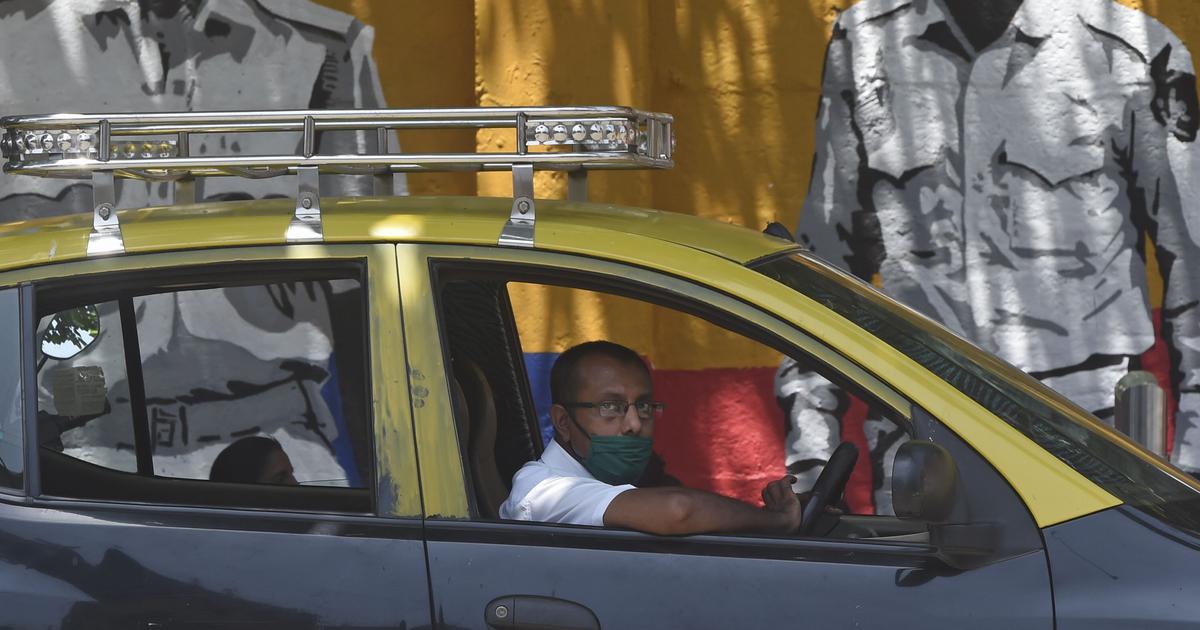
The Maharashtra government is set to implement a new regulation that requires all licensed taxi and rickshaw drivers in the state to possess a basic understanding of the Marathi language, effective from May 1. This initiative aims to enhance communication between drivers and passengers, ensuring a more seamless travel experience across the state’s bustling urban centers.
Transport Minister Pratap Sarnaik announced this decision during a press briefing, emphasizing the need for drivers to be proficient in Marathi. He revealed that a statewide inspection campaign will be launched to enforce this new requirement. Drivers who fail to pass a Marathi proficiency test during these inspections risk having their licenses revoked.
The proficiency test will evaluate drivers on their ability to read local signboards and documents in Marathi, as well as their skills in constructing simple sentences and conducting basic conversations in the language. This move is expected to address growing concerns highlighted by passengers, particularly in densely populated areas like the Mumbai Metropolitan Region, Chhatrapati Sambhaji Nagar, and Nagpur, where complaints about language barriers have been increasingly common.
Sarnaik pointed out that while existing regulations already necessitate knowledge of the regional language for obtaining driving licenses, these rules have often been overlooked. He underscored the importance of learning the local language as a fundamental duty for those engaged in services that directly interact with the public. “It is our responsibility to understand and communicate in the language of the region we operate in,” Sarnaik stated, echoing sentiments that resonate deeply with the cultural identity of Maharashtra.
The decision has sparked a mixed response among drivers and industry stakeholders. Supporters argue that this policy will enhance service quality and customer satisfaction, while detractors express concerns over the feasibility of implementing such a requirement, especially for drivers who may have recently migrated from other states. As the government prepares for this transition, it faces the challenge of balancing regulatory enforcement with the need to support drivers in their language acquisition journey.