A Historic Unity: How Indian and Pakistani Workers in Kuwait Staged a Landmark Strike in 1948
In the summer of 1948, as India neared its first anniversary of independence, an unusual yet heartening moment unfolded in Kuwait. Employees of the Kuwait Oil Company, including a significant number of Indians and Pakistanis, made a collective request for a day off to commemorate this milestone. For many workers, this was not just a formality; it was an opportunity to celebrate their shared heritage and camaraderie, especially in the wake of the recent tumultuous partition that had separated their homelands.
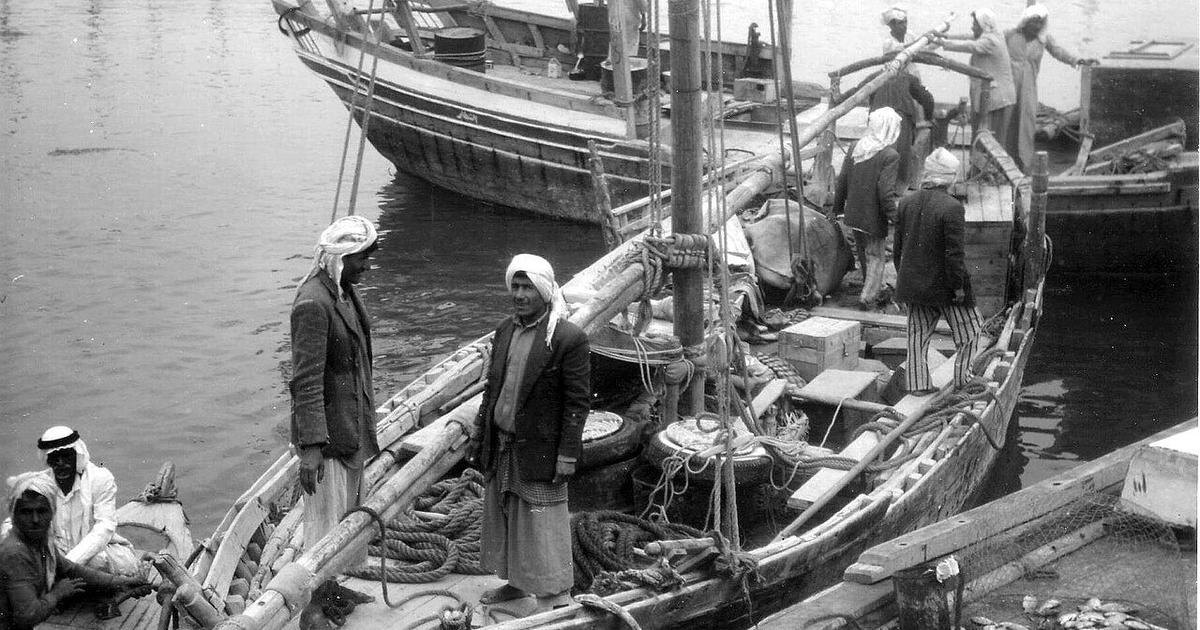
At that time, over 3,000 workers from India and Pakistan were engaged in arduous tasks at the Kuwait Oil Company, which was striving to extract oil from the Burgan oil field, the world’s largest at the time. The company, a joint venture between the American Gulf Oil Corporation and the British Anglo-Iranian Oil Company, employed individuals from both countries across various roles, including supervisors, clerks, and manual laborers. However, when management denied their request for a few hours off, it ignited feelings of resentment among the workers, leading to a historic strike.
The refusal to acknowledge their request was the tipping point for many. Workers from diverse backgrounds—irrespective of class, religion, or nationality—came together to protest against not just the denial of the day off, but also the harsh working and living conditions they endured in what was then a British protectorate. This solidarity displayed by the workers was an extraordinary instance of unity amidst the lingering divisions of partition, showcasing the strength of collective action in the face of adversity.
As the protest escalated, the management of the Kuwait Oil Company responded with swift and harsh measures. The newly formed Indo-Pakistan Association, which had been a symbol of collaboration between the two communities, faced immediate repercussions. Key members, including the secretary of the association, were dismissed from their positions and expelled from the country. The events that unfolded during this strike not only highlighted the plight of the workers but also marked a significant moment of shared struggle between Indians and Pakistanis in a foreign land.
This moment serves as a reminder of the power of unity against oppression and the lengths to which individuals will go to demand their rights. The strike of 1948 not only emphasized the struggles faced by migrant workers during that era but also laid the foundation for future solidarity movements, both in Kuwait and beyond. As India and Pakistan continue to navigate their own complex narratives, the history of this strike serves as a testament to the potential for collaboration and collective strength, reminding us that unity can transcend borders and cultural divides.