As urbanization accelerates across India, the pressing need for sustainable city planning has never been more critical. Singapore, often cited as a model for urban resilience, offers valuable lessons on integrating nature within urban environments. With nearly half of its land area dedicated to green spaces, Singapore’s ambitious vision of becoming a “City in Nature” exemplifies how effective urban planning can lead to a sustainable, livable city.
For decades, Singapore has been proactive in its approach to creating green landscapes. From the 1960s onwards, the city-state has invested significantly in green infrastructure, aiming not just to beautify its surroundings but to foster an ecosystem that stimulates economic growth and community engagement. Presently, it boasts 78 square kilometers of parks and green spaces, with plans to expand this by an additional 10 square kilometers in the coming decade. This foresight is essential in cultivating an appealing environment that attracts both investment and residents.
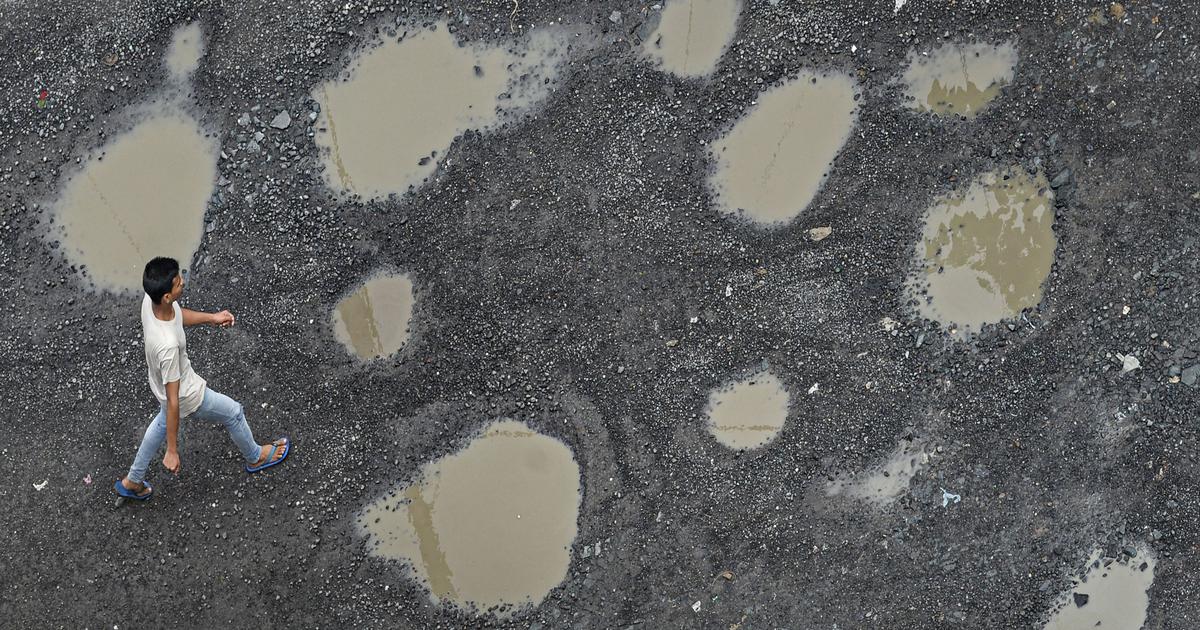
In stark contrast, many Indian cities are grappling with the challenges of urban pollution, inadequate green cover, and climate vulnerability. Frequent reports highlight how urban areas in India are often characterized by sprawling concrete jungles, limited green spaces, and inadequate infrastructure to manage climate-related challenges like flooding and heatwaves. As cities like Mumbai, Delhi, and Bengaluru continue to expand, learning from Singapore’s urban strategies may provide a pathway to a more resilient future.
Singapore’s innovative use of green architecture, such as parks that serve dual purposes of recreation and flood control, is particularly noteworthy. The concept of green roofs, designed to capture stormwater and reduce urban heat, has gained traction in many developed cities but remains underutilized in India. By integrating sustainable technology within building designs, Indian cities can mitigate climate impacts while enhancing the quality of life for their residents.
Moreover, the city-state’s commitment to its “green economy” is essential for urban sustainability. For Indian cities to flourish, they must also prioritize environmental sustainability alongside economic development. Investments in renewable energy, waste management, and sustainable transport systems are crucial steps for cities facing climate risks. By adopting such practices, Indian urban areas can not only combat climate change but also create job opportunities and foster thriving communities.
Ultimately, the journey towards becoming more climate-resilient requires a holistic approach that encompasses community participation, innovative planning, and long-term investment. As Indian cities confront an uncertain climate future, they must take a page from Singapore’s playbook, aiming to carve out green, livable spaces that not only enhance the urban landscape but also safeguard the environment for generations to come.