In the world of governance, the condition of our roads often tells a compelling story about a government’s priorities and commitment to public welfare. A striking comparison is drawn between Thiruvananthapuram, the capital of Kerala, and New York City, where a decades-old study reveals that infant mortality rates were unexpectedly higher in the affluent American city. This finding, championed by renowned economists like Amartya Sen and Jean Drèze, serves as a powerful testament to the impact of dedicated public investment in health and education, particularly in the context of a state that has historically operated with fewer resources.
Kerala’s journey reflects the transformative potential of focused governance. Over the years, the state has prioritized health, education, and women’s empowerment, which has led to impressive development outcomes, far surpassing those of wealthier nations. The success story of Kerala stands as a beacon, highlighting how committed governance can create substantial social improvements even with limited financial means.
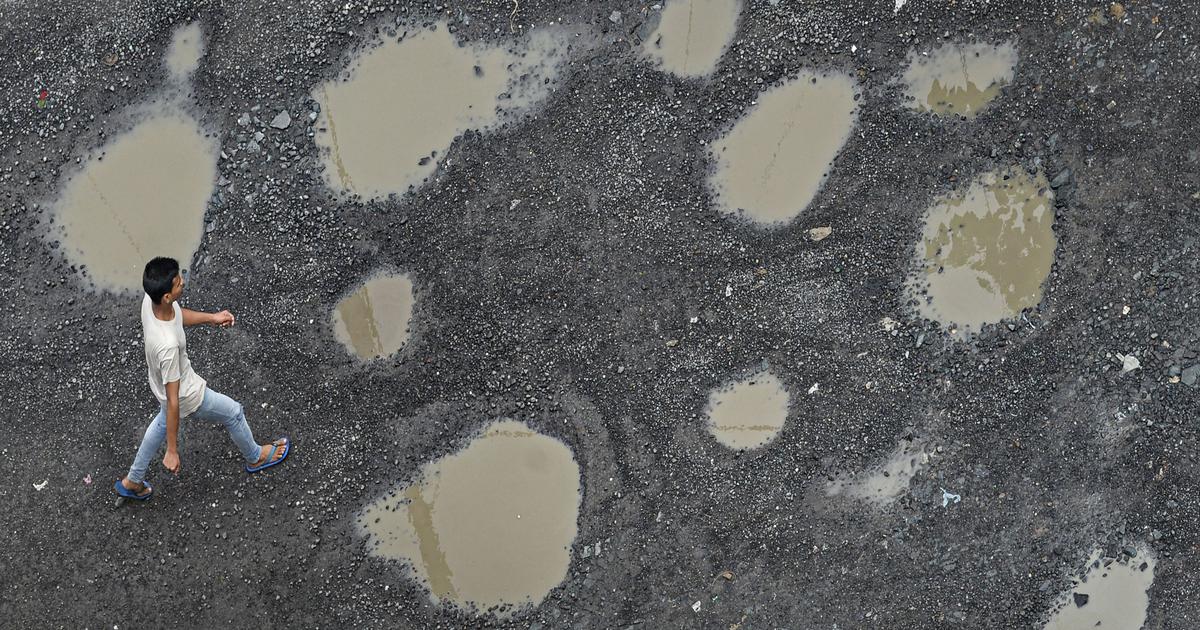
Recently, I was reminded of this narrative not through academic discussions but through an everyday experience: navigating the potholes on the streets of my locality. A few years ago, during his tenure as finance minister of the Left Democratic Front government in Kerala, a colleague initiated a robust campaign aimed at addressing the deteriorating condition of roads. Upon assuming additional responsibility for the Public Works Department, he quickly mobilized resources—photographing each pothole, setting repair targets, and ensuring swift action. This approach underscored not just his understanding of fiscal management but also his recognition of the everyday realities faced by citizens.
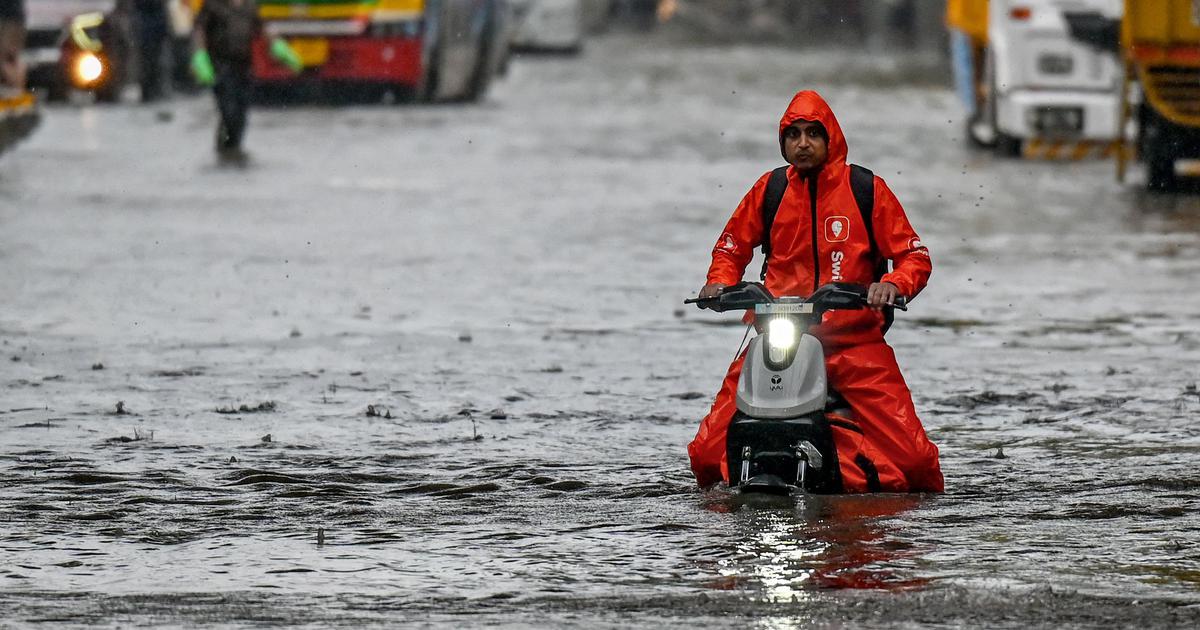
Potholes are more than mere inconveniences; they reflect deeper issues within municipal governance and infrastructure management. Every cyclist, motorcyclist, and driver experiences the frustration of navigating these road hazards, which can lead to accidents and injuries. The condition of our roads can serve as a direct indicator of how much a government values its citizens’ safety and comfort. When public works are neglected, it raises questions about the allocation of resources and the effectiveness of governance.
As urban areas across India grapple with infrastructure challenges, the example set by Kerala’s initiative serves as a reminder of the potential for impactful governance. A commitment to addressing even the smallest issues, like potholes, can reinforce public trust and enhance quality of life. The contrast between the road conditions in various cities can be stark, emphasizing the need for local governments to prioritize maintenance and development. It’s a call to action for all states to invest in their infrastructure and, by extension, the well-being of their residents.