Understanding the Complex Dynamics of the US-Israel-Iran Conflict: A Never-Ending Struggle
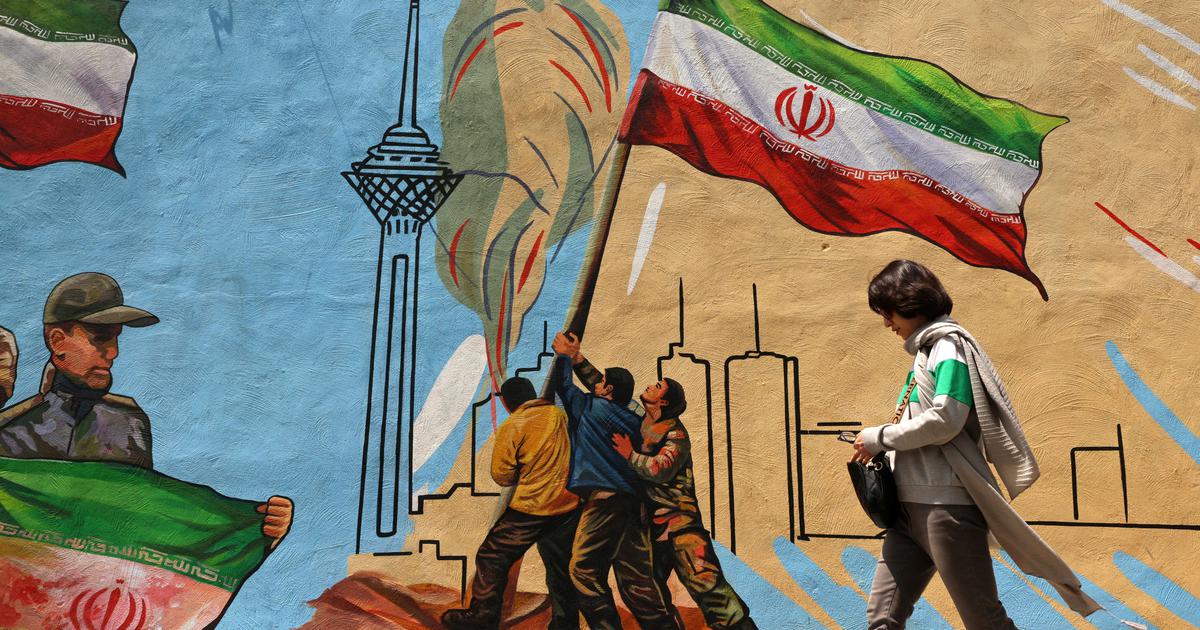
The ongoing tensions between the United States, Israel, and Iran have led many to question whether these nations are embroiled in what some are calling a ‘forever war.’ The fundamental challenge lies in defining what ‘victory’ over Iran truly means, a question that often elicits ambiguous responses from policymakers in Washington and Jerusalem.
For leaders in the US and Israel, victory may appear straightforward: dismantling Iran’s nuclear program, curbing its influence across the Middle East, and even instigating regime change in Tehran. This perspective reflects an approach that envisions decisive military victory with clear, attainable goals. However, this viewpoint starkly contrasts with Iran’s perspective, where the notion of victory is predominantly about survival and perseverance. This disparity in definitions sets the stage for a complex and enduring conflict.
The military capabilities of the US and Israel are formidable, evidenced by their ability to execute precision strikes against Iranian targets, including vital infrastructure and military leadership. Yet, despite their tactical successes, these actions have not translated into a significant political shift in Iran. The Iranian state remains resilient, its governance structures intact, and its military and ideological networks continue to operate effectively. Iran’s nuclear advancements, often a focal point of concern, persist despite international efforts to curtail them.
This situation reveals a deeper misreading of the dynamics at play. Unlike traditional warfare, where one side seeks to defeat the other, Iran’s strategy is not about outright victory against the US and Israel. Instead, it focuses on enduring the conflict, complicating the adversaries’ objectives, and raising the costs of engagement. For Iran, the strategy of attrition appears to be a calculated approach, designed to outlast the political will of its opponents.
As India navigates its own geopolitical interests in the region, understanding this protracted conflict is crucial. The Indian government must balance its relationships with both the US and Iran, as the latter plays a significant role in regional stability and influence. The complexity of the Iran conflict sheds light on the intricate web of international relations that India must manage, especially given its strategic partnerships and economic ties. The implications of this ‘forever war’ resonate far beyond the military actions of the involved nations, influencing the geopolitical landscape in which India operates.