Revolutionizing Pashmina: Sustainable Practices Using Natural Dyes and Silkworm Nutrition
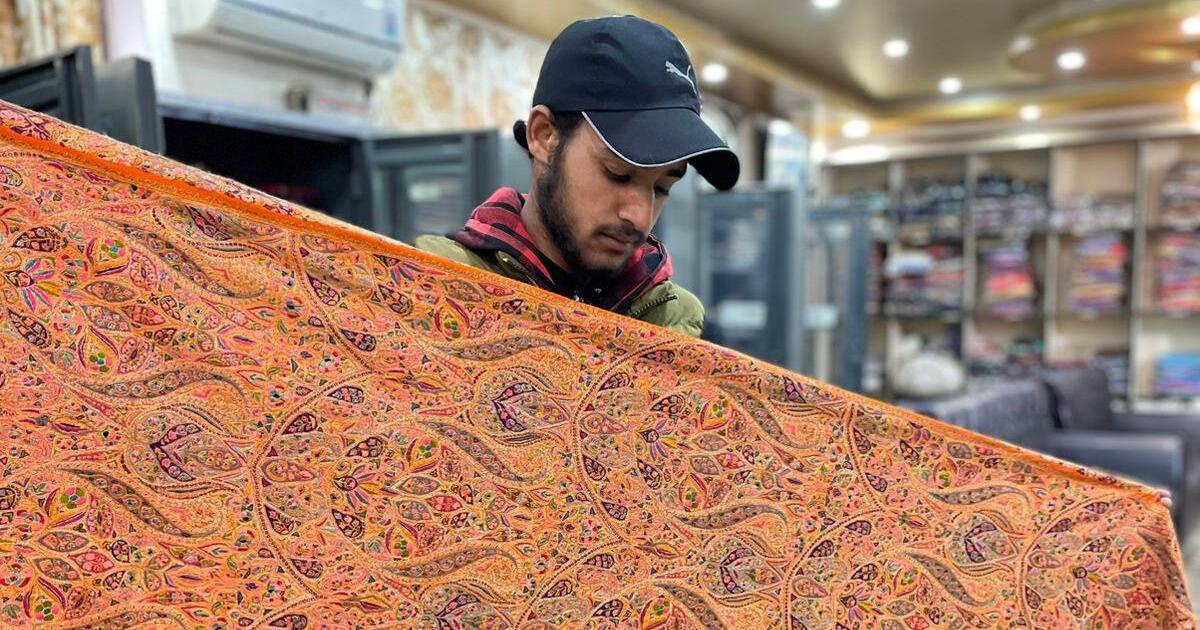
In the heart of Kashmir’s rich textile heritage lies the exquisite Pashmina shawl, a masterpiece known for its luxurious feel and vibrant colors. However, the vibrant hues that define these iconic fabrics often come at a significant environmental cost. The textile sector, particularly dyeing processes, has been identified as a major contributor to water pollution, with synthetic dyes leaching harmful chemicals into local rivers and streams, adversely affecting aquatic ecosystems.
As a response to these pressing environmental challenges, researchers in Kashmir are pioneering innovative methods to create sustainable, natural colors for Pashmina. One promising approach is the use of plant-based dyes, which could offer a safer and eco-friendly alternative to the synthetic options that dominate the market. By harnessing the natural pigments found in various plants, artisans can continue to produce the vibrant colors that Pashmina is famous for while minimizing the negative impact on the environment.
Moreover, experts are exploring a unique concept where silkworms are fed pigment-enriched diets, enabling them to spin naturally colored silk. This method not only preserves the quality of Pashmina but also integrates sustainable practices into its production. By nurturing silkworms with natural pigments sourced from plants, the resulting silk would carry inherent colors, eliminating the need for harmful dyeing processes altogether.
The Pashmina wool, derived from the undercoat of the Changthangi goat, is already celebrated for its luxury. Found in the harsh climates of the Changthang plateau in Ladakh, these goats thrive in altitudes of 3,500-4,000 meters above sea level. The artisanal craftsmanship behind Pashmina ensures that each piece is a testament to the skills honed over generations. Yet, it is crucial to balance this traditional artistry with modern sustainability practices to preserve both the craft and the environment.
As Kashmir continues to face ecological challenges, the integration of natural dyes and sustainable feeding practices for silkworms presents a promising path. These methods not only aim to reduce the environmental footprint of textile production but also enhance the integrity and appeal of Pashmina shawls in a global market increasingly concerned about sustainability. By reimagining the way Pashmina is produced, Kashmiri artisans can maintain their cultural heritage while leading the charge toward a more eco-conscious textile industry.