Understanding the Limits of an Indian Passport: It’s a Travel Document, Not a Proof of Citizenship
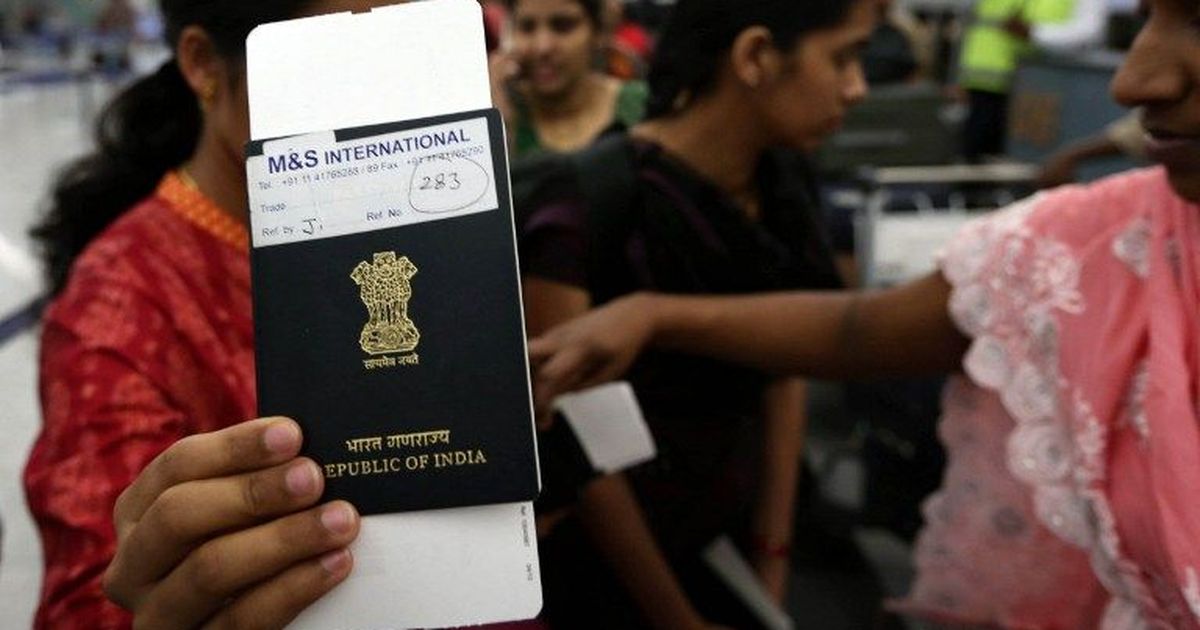
In a recent statement that has sparked widespread discussion, the Ministry of External Affairs (MEA) revealed that an Indian passport is not a definitive proof of citizenship. This clarification coincided with the 59th anniversary of the Passports Act coming into effect, an observance that may have prompted the ministry to shed light on a crucial legal distinction.
The assertion has startled many citizens who may have assumed that possessing a passport inherently confirms one’s citizenship status. However, legal experts have long understood that a passport serves primarily as a travel document, allowing individuals to journey internationally rather than substantiating their national identity. This statement has emerged against the backdrop of ongoing scrutiny regarding identity verification and citizenship in India, particularly in light of the Special Intensive Revision of electoral rolls.
Statistics released by the MEA underline the volume of passport issuance in India, revealing that approximately 1.39 crore passports were issued in 2025, touching the lives of about 1.5 crore individuals through various passport-related services. Given the staggering rate at which these documents are processed—essentially one passport every two seconds during working hours—the feasibility of each passport serving as a rigorous confirmation of citizenship becomes questionable. This raises important considerations regarding administrative efficiency and the integrity of identity verification processes.
Legally, the framework governing the issuance of passports is outlined in Section 20 of the Passports Act, 1967. Under this provision, the Central Government reserves the right to issue a passport even to individuals who are not citizens of India. This provision has led to the prevailing understanding that identity and citizenship are not synonymous, challenging the assumptions held by many.
As discussions around citizenship and identity continue, especially amid evolving socio-political landscapes, it becomes increasingly essential for citizens to understand the implications of such official clarifications. The recent statement from the MEA serves as a reminder that while an Indian passport is a valuable document for travel, it should not be viewed as an absolute proof of nationality. As the country navigates discussions about citizenship, identity verification remains a complex and nuanced issue, underscoring the need for clear communication and awareness among the populace.