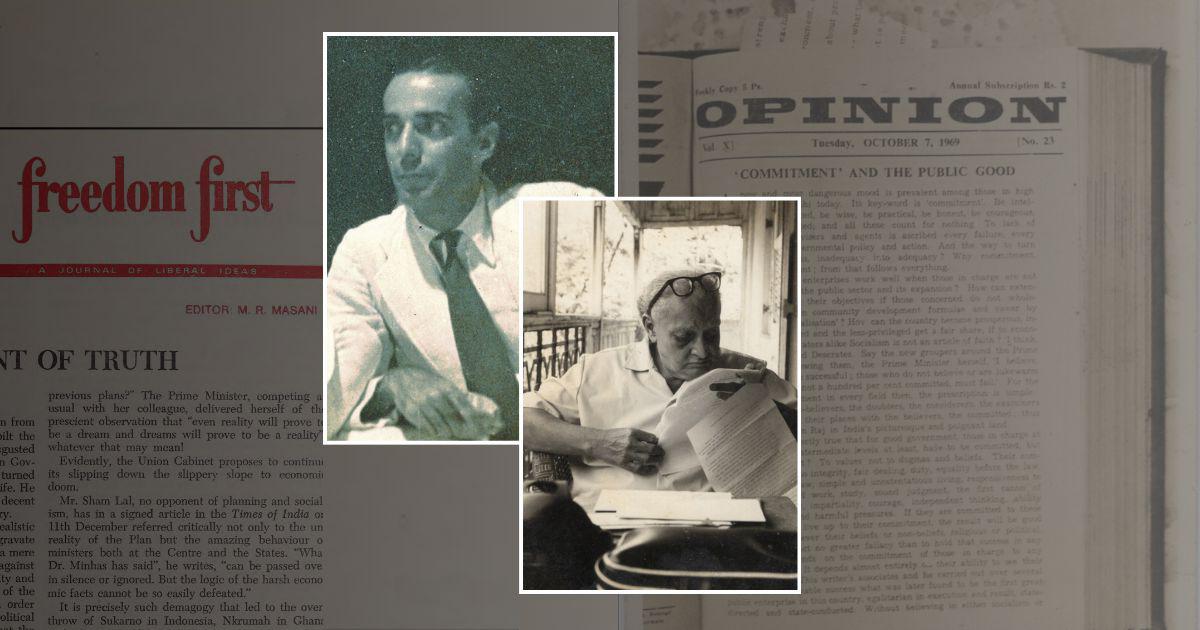
On the fateful morning of June 26, 1975, a seemingly ordinary day in India took a dramatic turn when Dhun Mehta, a former neighbor, greeted the journalists at a publishing office. His unexpected inquiry about the arrest of several prominent opposition leaders left them stunned. Figures such as Jayaprakash Narayan, Morarji Desai, Jyoti Basu, and LK Advani had all been detained, and the nation was gripped by a sudden declaration of emergency and censorship.
The journalists at the office were unaware of these significant developments, largely because the morning newspapers had remained silent on the matter. The shocking news had reached Mehta through the BBC Radio, highlighting the stark divide between official narratives and the reality unfolding in the country. The Emergency was a culmination of political turmoil, triggered by the Allahabad High Court’s June 12 verdict that found Prime Minister Indira Gandhi guilty of electoral violations. Narayan, a key opposition leader, had been vocally demanding her resignation, further escalating tensions.
In response to the verdict, Gandhi decided to appeal, enlisting renowned lawyer Nani Palkhivala to represent her in court. His reputation for upholding civil rights made his acceptance of her case particularly surprising to many advocates of democracy. Meanwhile, her son Sanjay Gandhi reportedly pushed for a more aggressive approach to counter the growing dissent. Despite Palkhivala’s assurances of a strong legal case, fear of losing the appeal ultimately led Indira Gandhi to make a fateful choice: she opted to suspend civil liberties across the nation.
This move marked the beginning of a dark chapter in Indian history, where press freedom was severely curtailed. Journalists faced immense pressure to conform to government censorship, with many choosing to toe the line rather than risk their careers and safety. However, there were notable exceptions, individuals who stood firm in their commitment to truth and transparency, refusing to let fear dictate their work.
As the Emergency unfolded, it became clear that the battle for free expression would be fought not just in courtrooms but in the hearts and minds of the people. The courageous actions of journalists during this time remind us of the vital role that a free press plays in a democracy, and how the pursuit of truth can often come at great personal risk. While the Emergency would eventually lift, the lessons learned during those tumultuous years continue to resonate in today’s India, where the fight for free speech and civil liberties remains ever relevant.