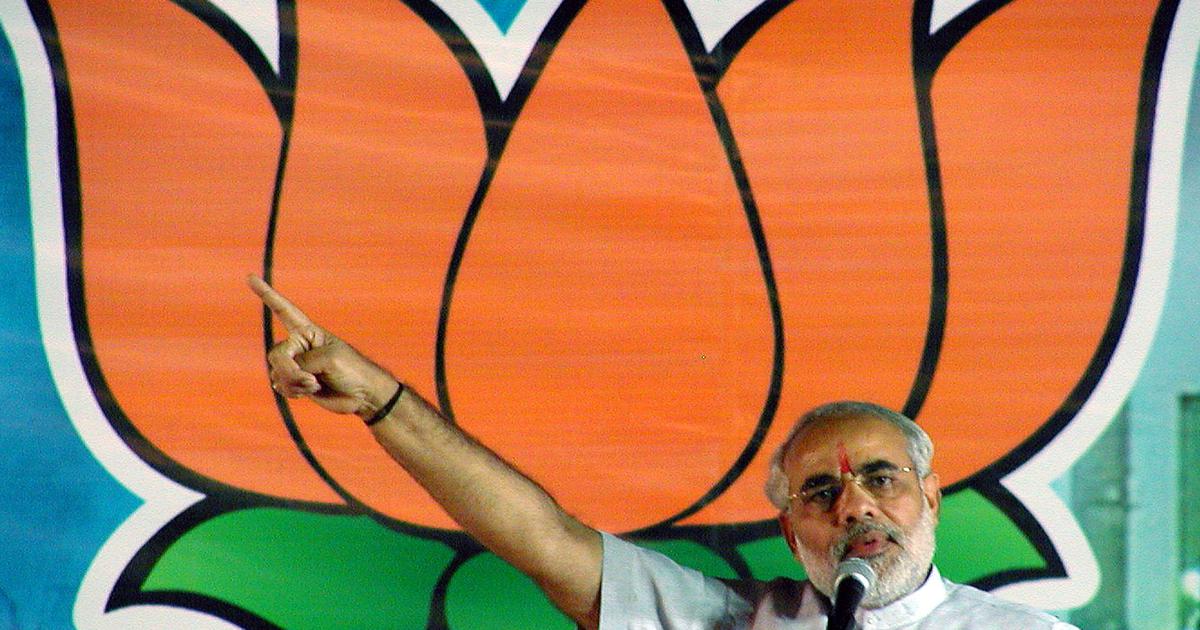
As Prime Minister Narendra Modi approaches his twelfth year in office this May, it’s worth noting that nearly half of India’s population, approximately 750 million people, has known no other national leader in their adult lives. Modi’s decisive victory in 2014 marked a significant turning point for the Bharatiya Janata Party (BJP) and the nation, as it ushered in India’s first Hindu nationalist majority government. This was a remarkable comeback for the BJP, which had faced dire circumstances in the aftermath of the 1984 Lok Sabha elections, where it managed to secure only two seats.
Despite potential challenges looming in the 2024 elections, the BJP has solidified its position as a central force in Indian politics today. Once regarded primarily as a party representing the North Indian ‘Hindi belt’ and seen as reliant on an upper-caste base, its influence has now expanded to encompass a diverse voter demographic, drawing support from various castes, communities, and even different religions. The BJP’s evolution from a regional party to a national powerhouse is a fascinating narrative of strategic political maneuvering and cultural resonance.
The ideological foundation of the BJP is deeply intertwined with Hindutva, the Hindu nationalist philosophy that underpins both the party and its affiliated organization, the Rashtriya Swayamsevak Sangh (RSS). This ideology has emerged as a powerful socio-political force, not just within India but also on the global stage, reflecting the complex interplay of religion and politics in contemporary society. The ascent of the BJP and the RSS can be traced through several factors, including the party’s adeptness at leveraging social media, grassroots mobilization, and a charismatic leadership style that resonates with a wide array of voters.
One of the key ingredients in the BJP’s recipe for success has been its ability to present a vision of India that aligns with the aspirations of a rapidly changing demographic. Young voters, who make up a significant portion of the electorate, often resonate with Modi’s narrative of development, national pride, and cultural revival. This connection is further strengthened by the party’s targeted outreach efforts, which have aimed at bridging divides and fostering a sense of belonging among diverse groups.
To understand the current political landscape, it is essential to delve deeper into the historical context of Hindutva and the BJP’s rise. The party’s journey reflects broader societal shifts and the complexities of identity politics in India. As the country prepares for another electoral battle, the question remains: how will these dynamics shape the future of Indian politics, and can the BJP maintain its grip on power amidst emerging challenges?