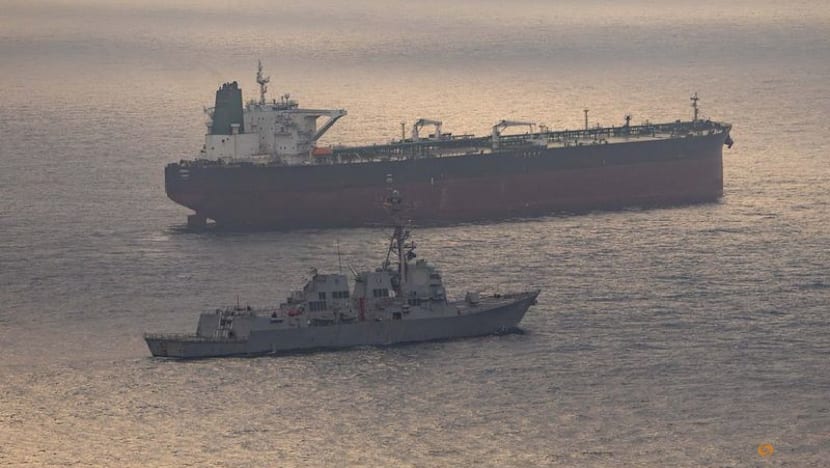
Washington: The United States has indicated that its ongoing naval blockade targeting Iran could continue for an extended period, amid escalating geopolitical tensions and rising global oil prices.
According to official statements, the blockade of Iranian ports is being considered as part of broader strategic measures. US leadership has suggested that such actions are intended to exert economic pressure while avoiding direct large-scale military escalation.
Global oil markets reacted strongly to the developments, with crude prices rising to their highest levels in recent years. Analysts attribute the surge to concerns over supply disruptions, particularly involving the Strait of Hormuz, a key global oil transit route.
Diplomatic efforts between the United States and Iran remain uncertain, with limited progress reported in recent engagements. International stakeholders, including Russia, have expressed concerns about the potential consequences of prolonged conflict in the region.
US officials have also acknowledged the economic impact of the situation, noting rising costs associated with military operations and pressure on global markets.
Meanwhile, Iranian authorities have reiterated their position on regional security and economic measures, while expressing skepticism about ongoing diplomatic initiatives.
The situation has also drawn attention from global organizations, which have warned of broader economic and humanitarian consequences if tensions persist. Rising energy costs, supply chain disruptions, and regional instability are among the key concerns highlighted.
Observers note that future developments will depend on diplomatic negotiations, regional security dynamics, and international responses in the coming weeks.