US Supreme Court Decision Threatens Voting Rights of Minorities: Implications and Reactions
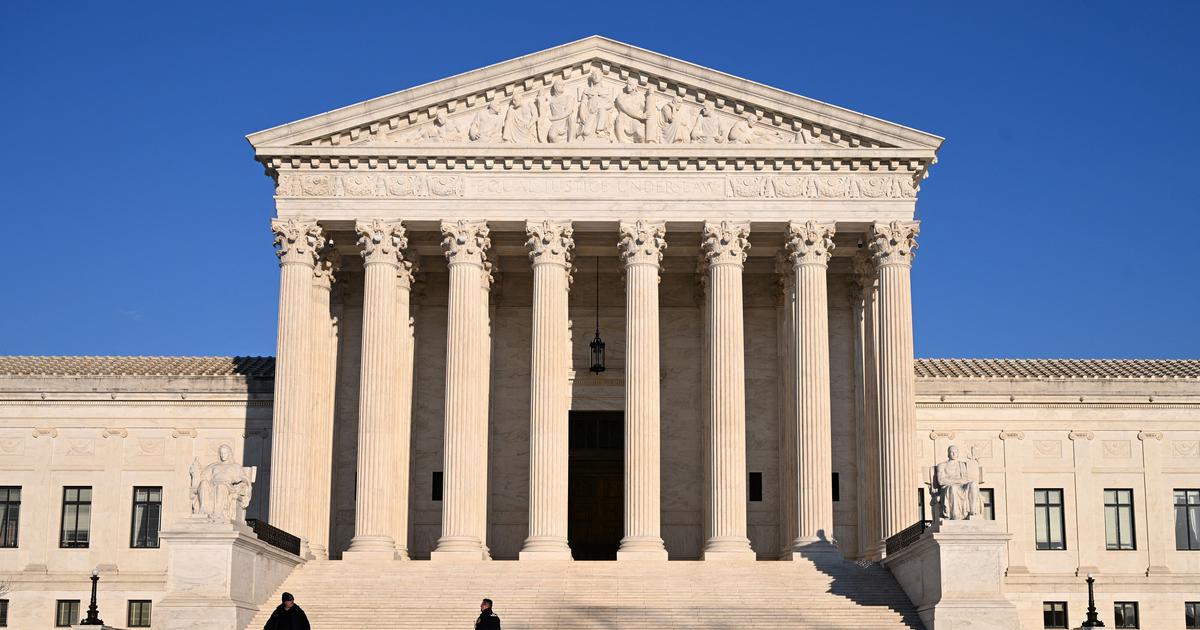
In a landmark ruling that has raised significant concern over the voting rights of minorities in the United States, the Supreme Court has struck down a Black-majority congressional district in Louisiana. This decision, delivered on April 29, 2026, marks a pivotal shift in the interpretation of the Voting Rights Act, largely favoring the court’s conservative majority.
The 6-3 decision came as the justices deemed the establishment of a second Black-majority district in Louisiana to be unconstitutional gerrymandering. Justice Samuel Alito, who delivered the majority opinion, emphasized that the ruling was in accordance with Section 2 of the Voting Rights Act, which aims to prevent discriminatory voting practices based on race or language minority membership.
However, the conservative justices introduced a new interpretation that significantly alters how this section can be applied, making it more challenging for individuals to contest redistricting efforts. This development has sparked a debate about its potential to undermine the hard-won rights of minority voters, who have historically relied on the Voting Rights Act to ensure their electoral representation.
In a powerful dissent, Justice Elena Kagan criticized the majority’s decision as part of a broader effort to dismantle the protections established by the Voting Rights Act. Kagan, along with her fellow liberal justices, contended that the ruling effectively bars the use of race in redistricting processes, an approach that has been a cornerstone of the Act since its inception. They warned that this could lead to increased difficulties in proving cases of discrimination in voting practices.
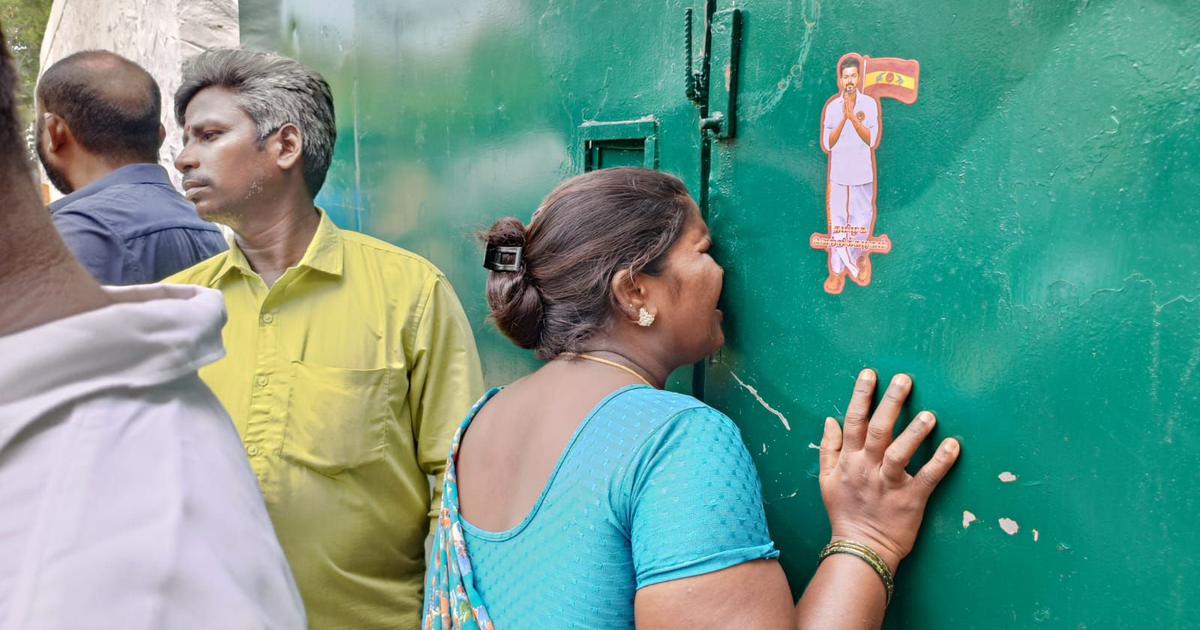
The ruling has resonated beyond the borders of the U.S., prompting discussions among civil rights advocates and political analysts worldwide. In countries like India, where electoral representation remains a vital topic, the implications of such a decision could serve as a cautionary tale. Observers note that the protection of minority rights in voting is not just an American issue but one that resonates globally as nations strive for inclusive democratic processes.
As the discourse continues, many are calling for renewed attention to the importance of safeguarding voting rights for all citizens. The recent developments in the U.S. serve as a reminder of the ongoing struggle for equity in electoral representation and the vigilance required to protect these fundamental rights.