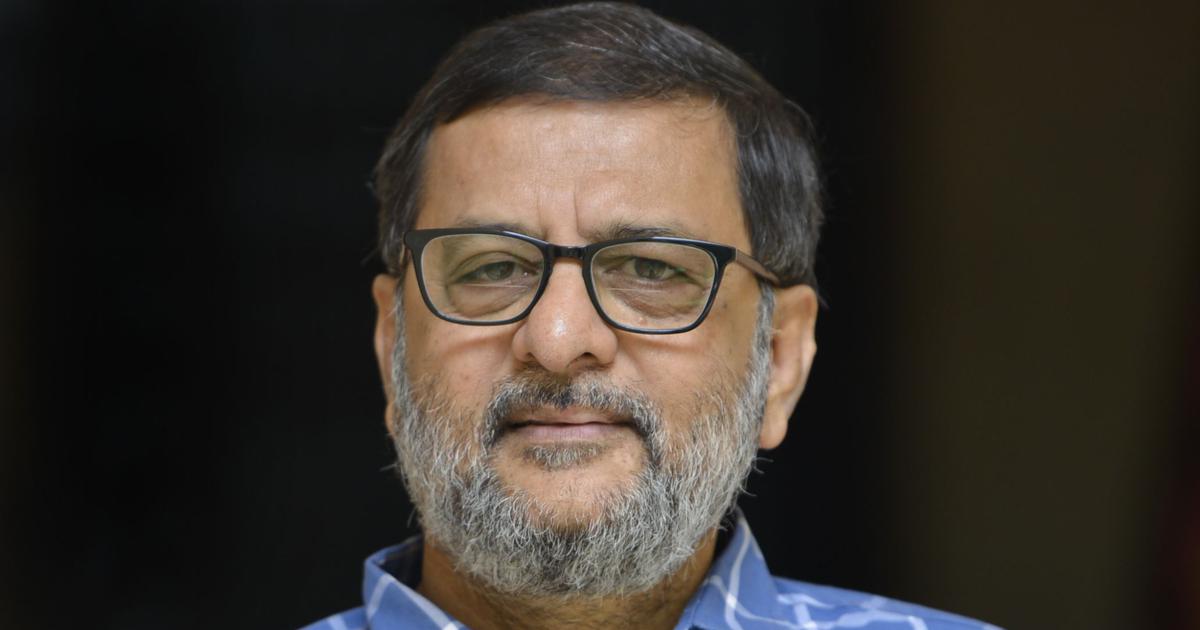
In a captivating conversation, renowned Kannada author Vivek Shanbhag delves into the profound impact of literature, particularly as it navigates the intricate dance between personal introspection and public discourse. His acclaimed work, Ghachar Ghochar, serves as a poignant exploration of how aspirations shape moral frameworks and redefine familial connections. By examining how language serves as a vehicle for both expression and transformation, Shanbhag sheds light on the complexities of identity and belonging in a multicultural world.
The conversation, which featured insights from Parul Sehgal, a prominent literary critic with the New Yorker, took a deep dive into the essence of translation. Shanbhag describes this process as a crossing over—a journey from the intimate familiarity of one’s native tongue into the often alien landscapes of another language. This act of translation is not only about converting words; it encapsulates the very essence of cultural exchange, illustrating how literature can bridge the gap between diverse perspectives.
Shanbhag’s reflections are particularly resonant in today’s globalized society, where migration and the constant movement of people create a tapestry of experiences and narratives. Both authors have experienced their own forms of displacement, with Sehgal’s upbringing spanning multiple countries, including Washington, Delhi, Manila, and Budapest. This diverse background has instilled in her a nuanced understanding of how language molds identity and reshapes desires.
Throughout their discussion, the duo touches on the ethical implications of translation and the aesthetics of storytelling. They explore how a new language not only reframes our understanding of the world but also subtly influences our emotional landscapes. The interplay of language and literature encapsulates the broader themes of aspiration, belonging, and the quest for authenticity in one’s narrative.
As Shanbhag continues to navigate the rich terrain of his linguistic inheritance, he invites readers to engage with the transformative power of literature. His works challenge us to consider the wider implications of our choices and the narratives we construct around them. The conversation between Shanbhag and Sehgal ultimately underscores the idea that literature, in its many forms and languages, is a vital conduit for understanding our shared humanity.