The political landscape in West Bengal is once again making headlines as the ruling Bharatiya Janata Party (BJP) has announced plans to remove the term “dham” from the name of the Jagannath temple located in Digha. This decision, reported widely on Tuesday, has sparked discussions about religious sentiments and cultural identity in the region.
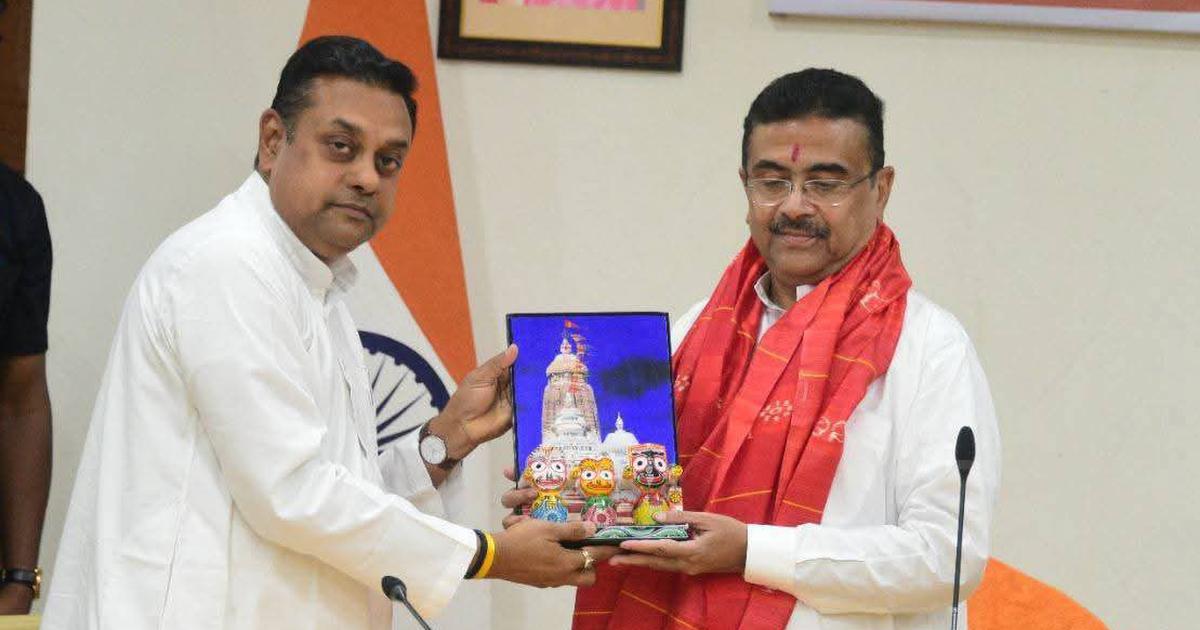
The Jagannath temple in Digha was inaugurated in 2025 during the tenure of the previous government, led by the Trinamool Congress (TMC). According to reports from the state secretariat, the removal of the term “dham” was initiated by Chief Minister Suvendu Adhikari, following a formal request from Odisha’s BJP leader and Chief Minister, Mohan Charan Majhi. This request was conveyed through a letter presented to Adhikari by Puri’s Lok Sabha MP, emphasizing the importance of aligning the temple’s name with traditional Hindu beliefs.
Mohan Charan Majhi had previously approached the TMC government, urging them to reconsider the temple’s nomenclature, but no action was taken at that time. Adhikari expressed his concerns regarding the use of “dham,” stating that it contradicts the concept of “chaar dham” or the four sacred abodes in Hinduism. He remarked, “This move has hurt the sentiments of Hindus in Odisha and those residing in Bengal who have roots in Odisha. It is crucial that we respect and uphold the core tenets of Sanatana Dharma.”
The term Sanatana Dharma is often used to refer to the broader philosophy and practices of what is commonly known as Hinduism. By renaming the temple, the BJP aims not only to honor the spiritual roots associated with the Jagannath deity but also to reinforce a unified cultural identity among Hindus across state lines.
This change comes amid a backdrop of ongoing political rivalry between the BJP and the TMC, with both parties vying for the support of the electorate in West Bengal. The BJP’s actions suggest a strategy to consolidate its influence in the region, particularly among voters who may feel a strong connection to Odisha’s cultural heritage, given that the original Jagannath temple is located in Puri, Odisha.
As the decision unfolds, it will be interesting to see how the local population reacts and whether this change resonates positively among the temple’s devotees. The BJP’s commitment to altering the temple’s name is likely to be both celebrated and contested, reflecting the complex nature of regional identities and religious practices in India.