West Bengal’s Midday Meal Controversy: Eggs Excluded Amid Health and Ideological Concerns
The ongoing controversy surrounding the exclusion of eggs from West Bengal’s school midday meal program has ignited a fierce debate about nutrition and ideological control over food choices in India. This decision comes in the wake of the Bharatiya Janata Party (BJP) assumption of power in the state, further emphasizing the party’s commitment to a Hindutva agenda that many argue undermines the nutritional needs of vulnerable populations.
Back in June, the newly formed state government announced that the preparation of school meals would be entrusted to the International Society for Krishna Consciousness (ISKCON), a prominent Hindu religious group. A representative from ISKCON indicated that eggs would be supplanted by alternatives like soybeans, rajma, and paneer. Proponents assert that these substitutes provide sufficient nutrition, but critics, including many opposition leaders, contend that this is more about enforcing ideological dietary norms rather than addressing the real nutritional needs of children, especially those from impoverished backgrounds.
This is not an isolated incident in India. Other states have previously removed eggs from their midday meal initiatives, reflecting a broader trend influenced by the ideological stance of the ruling party. For instance, in 2015, Madhya Pradesh’s BJP government eliminated eggs from school meals, and in 2025, Maharashtra ceased financial support for eggs and sweet dishes made from millet in their midday meal programs.
Since the BJP ascended to power at the national level in 2014, discussions regarding dietary choices have transcended health and wellness issues, delving into the realm of cultural and religious identity. The prohibition of beef has severely impacted the livelihoods of Muslims, Dalits, and numerous communities reliant on cattle-related industries, prompting concerns over food security and cultural rights.
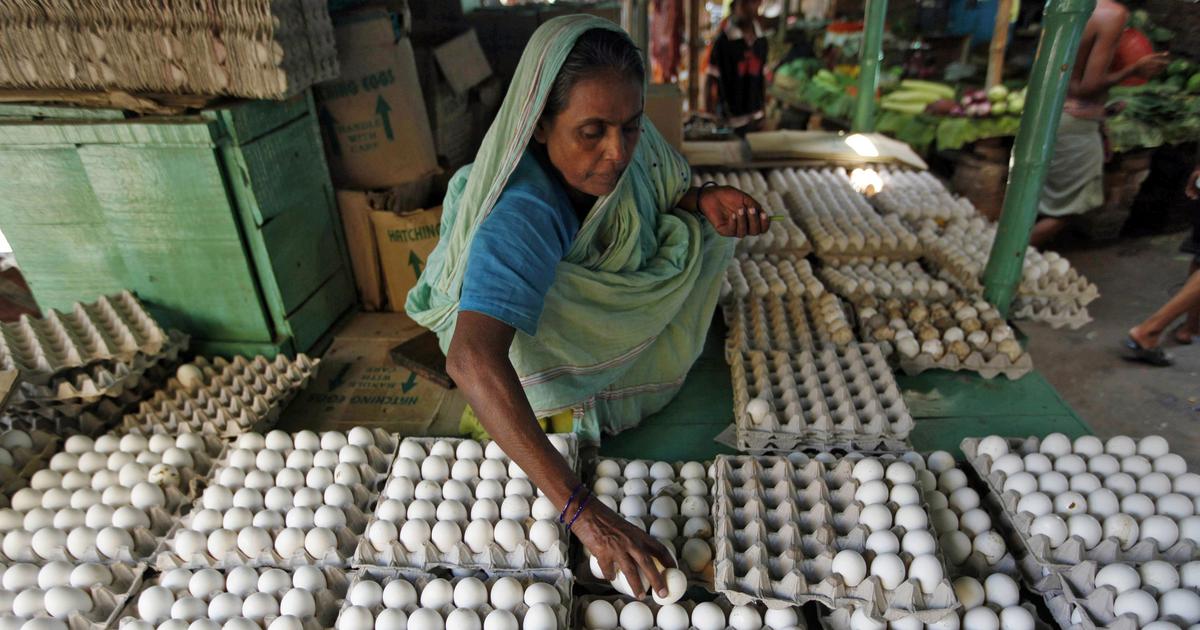
Many fear that the exclusion of eggs from school lunches could further exacerbate malnutrition among children, particularly in economically disadvantaged areas. Eggs are considered an inexpensive source of high-quality protein and essential vitamins, vital for the growth and development of children. The nutritional implications of this decision cannot be overlooked, as various studies indicate that protein-rich diets significantly contribute to cognitive development and overall health.
As this debate unfolds, it highlights a crucial intersection of politics, ideology, and public health in India. The question remains: will the government prioritize the nutritional needs of its children or continue to pursue an agenda that reshapes dietary habits based on ideologies? The voices of opposition and public health advocates will be pivotal in shaping the future of school meal programs and, by extension, the health of the nation’s children.