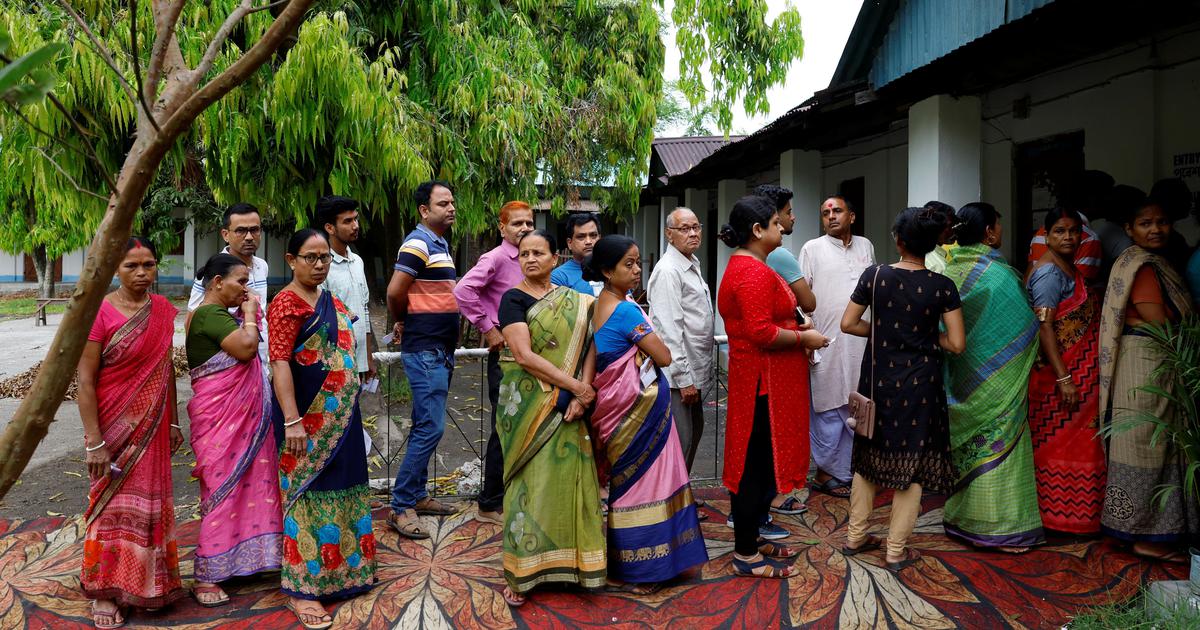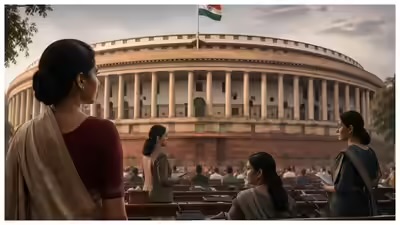
The debate around women’s representation in Indian politics has existed since independence. Over the years, there has been a consistent demand to increase women’s participation in legislative bodies. In this context, the proposal for 33% reservation for women remained under discussion for decades before taking legislative shape in 2023.
The Women’s Reservation law aims to reserve one-third of seats in the Lok Sabha and State Legislative Assemblies for women. While it has been widely described as a significant step, its implementation is linked to the completion of the next census and delimitation process, which means the timeline remains uncertain.
Another aspect under discussion is the absence of specific provisions for sub-quotas within the reservation. Some observers have raised concerns about how representation for women from diverse social and economic backgrounds will be ensured under the current framework.
The broader question also extends to the nature of political representation. While women’s participation in politics has increased over time, discussions continue around access to opportunities and the role of political networks and family backgrounds in shaping leadership pathways.
Experts and analysts have pointed out that for reservation to achieve its intended impact, it must be accompanied by wider structural support, including education, economic empowerment, and equal access to political opportunities.
At the same time, the legislation is seen as an important starting point in addressing gender imbalance in political institutions. Its long-term impact will depend on how effectively it is implemented and whether it leads to more inclusive participation across different sections of society.
Conclusion
The women’s reservation framework marks a step forward in principle. However, its effectiveness will ultimately depend on timely implementation and ensuring that opportunities are accessible to a broad and diverse range of women.