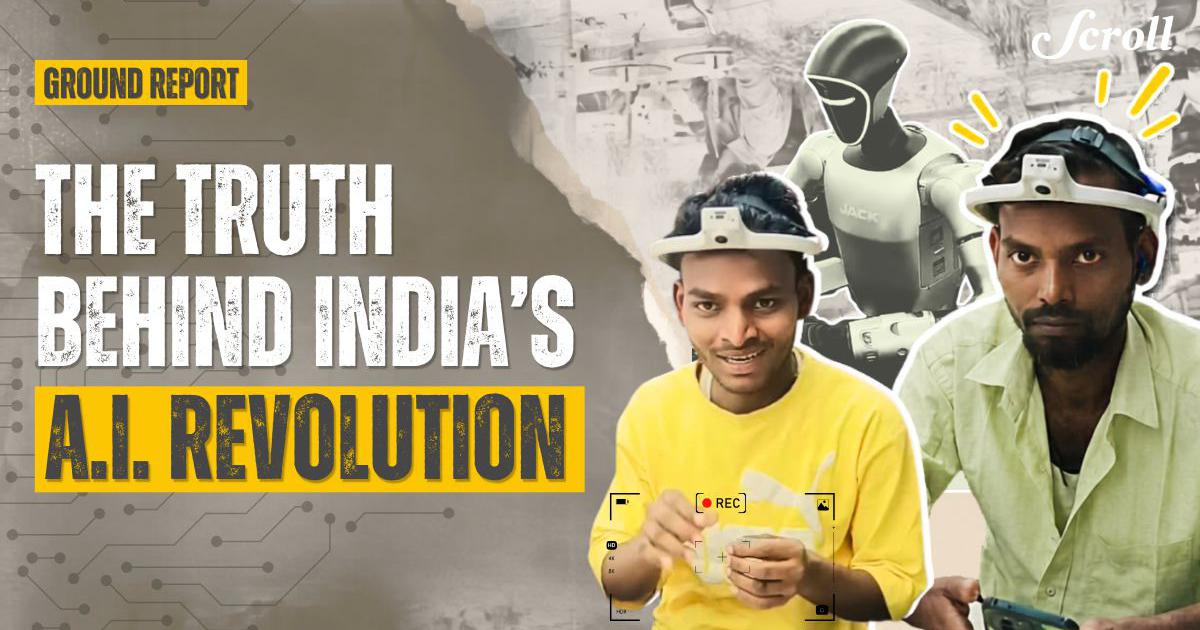
In a striking development from the Indian textile industry, a viral video surfaced in April showcasing workers at Pearl Global Industries in Gurugram wearing head-mounted cameras during their shifts. These workers, who were not informed or consulted before the project commenced, were told that the footage would document their work activities. This revelation has raised significant ethical questions about consent and the implications of such data collection, particularly in a country that is still grappling with robust data protection laws.
The cameras, provided by a startup founded by two teenagers from Maharashtra, aim to capture first-person perspectives of factory workers. This footage is intended to serve a dual purpose: aiding in the training of artificial intelligence systems while simultaneously catering to the needs of global technology firms looking to implement automation in their operations. However, the implications of this initiative are complex and multifaceted, leading to a pressing debate about the future of work and worker rights in India.
Automation has been a hot topic in recent years, with many industries looking to integrate AI technologies to enhance efficiency and reduce human labor costs. While the allure of increased productivity is undeniable, the reliance on technology raises concerns about job displacement. The workers at Pearl Global Industries find themselves in a paradoxical situation—contributing to a system that could ultimately render their skills obsolete.
As the Indian government pushes for modernization and a shift towards a digital economy, the intersection of technological advancement and labor rights becomes increasingly critical. The data collected from these cameras could help develop sophisticated robots capable of performing tasks that were traditionally handled by human workers. This brings us to the pertinent question: how does such an approach align with India’s emerging data protection regulations? With no clear guidelines or frameworks currently in place to protect workers’ rights in this context, the potential for exploitation looms large.
The implications of this scenario extend beyond the immediate concerns of the textile workers. It raises important questions regarding the broader labor landscape in India, where millions depend on traditional industries for their livelihoods. As companies increasingly adopt AI-driven solutions, it is crucial to ensure that ethical considerations are at the forefront of technological integration. The government, industry leaders, and civil society must engage in meaningful dialogue to strike a balance between innovation and the preservation of jobs.
In conclusion, the case of the factory workers in Gurugram serves as a microcosm of the ongoing struggle between technological progress and the rights of the workforce. As India navigates its path toward a more automated future, ensuring that workers are treated with dignity and respect must remain a priority. Only by addressing these fundamental issues can the country hope to harness the benefits of technology while safeguarding the livelihoods of its citizens.