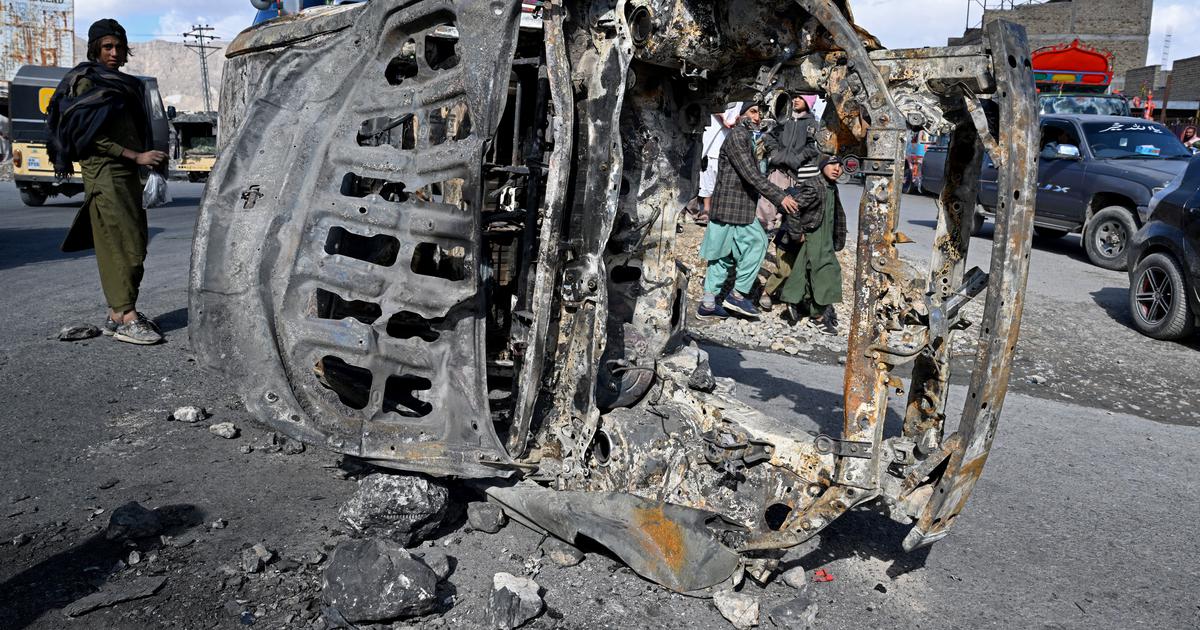
In late April 2026, Balochistan, Pakistan’s largest province, witnessed a dramatic spike in violence, with insurgents reportedly conducting 27 attacks over just ten days. These assaults resulted in the deaths of at least 42 military personnel, highlighting the escalating tensions in a region already marked by a long-standing insurgency.
The surge in violence has raised concerns about a broader pattern of unrest, particularly as authorities recently intercepted a suicide bombing plot aimed at Islamabad on May 11, 2026. The involvement of a young girl in this plot underscores a disturbing trend where militants are increasingly recruiting Baloch women for their operations. This evolving strategy not only highlights the desperation of insurgent groups but also signals a shift in their recruitment methods, which could have profound implications for security in the region.
To understand the complexities of the Baloch insurgency, it is essential to delve into its historical and contemporary roots. Balochistan, home to around 15 million people, is inhabited primarily by the Baloch people, an ethnic group divided between Pakistan and Iran. The struggle for autonomy and rights among the Baloch has been fueled by grievances over resource allocation, political representation, and cultural suppression. The origins of this insurgency can be traced back to the controversial annexation of the princely state of Kalat into Pakistan in the late 1940s, creating a sense of betrayal and disenfranchisement among the Baloch.
Experts on militant organizations, such as Amira Jadoon and Saif Tahir, have been closely monitoring the operational tactics and strategic messaging of various militant groups in the region. Their research indicates that the recent uptick in violence might not only be a response to local grievances but also a reaction to broader geopolitical dynamics, including Pakistan’s strained relations with neighboring countries and internal security policies. The situation is compounded by the economic challenges facing Pakistan, which may exacerbate feelings of alienation among the Baloch population.
Moreover, the involvement of women in militant activities poses a significant shift in the dynamics of the insurgency. By recruiting young women, insurgent groups might aim to attract greater sympathy and complicate counter-terrorism efforts. This strategy could potentially turn the tide of public perception and mobilize support within the community, as families may find it harder to oppose the involvement of their daughters in such movements.
As the situation continues to unfold, the Pakistani government faces the daunting task of addressing the underlying issues fueling the insurgency, while also ensuring the safety of its citizens. The recent attacks and the foiled bombing plot indicate not only the resurgence of violence but also the necessity for a comprehensive approach to peace and reconciliation in Balochistan. Without addressing the core grievances of the Baloch people, the cycle of violence is likely to persist, posing ongoing challenges to both regional stability and national security.