




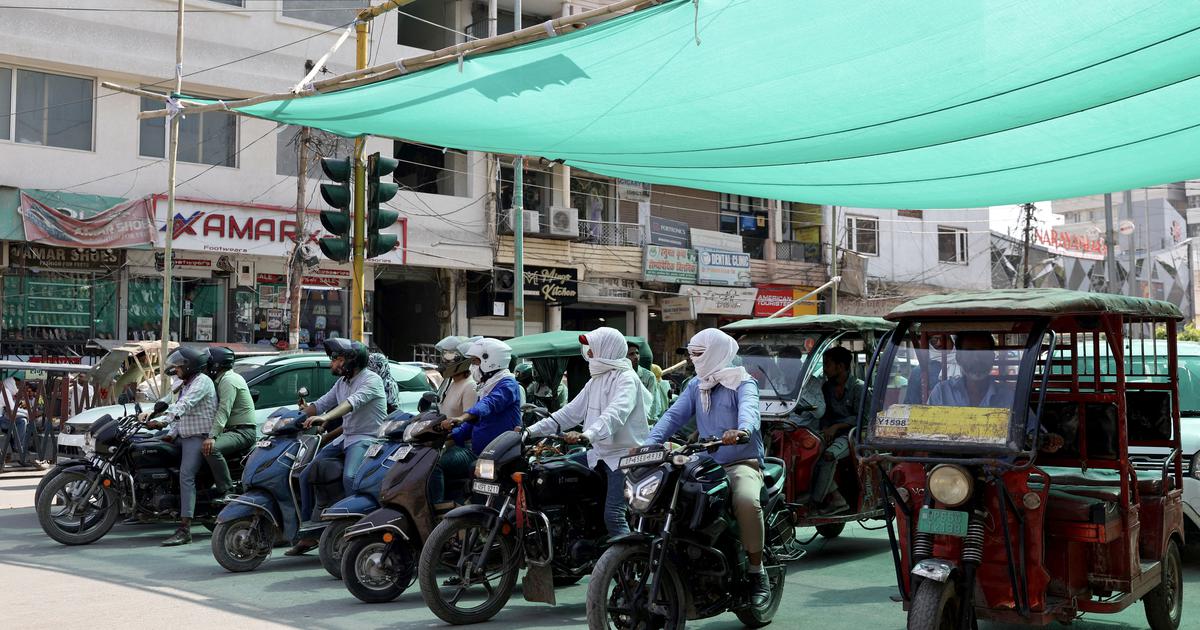
As urbanization accelerates, more than half of the global population now resides in cities, which are increasingly becoming heat islands compared to their rural counterparts. This phenomenon, known as the urban heat island effect, is primarily attributed to the materials used in urban infrastructure—roads, buildings, and paved surfaces that absorb heat during the day and release it slowly after the sun sets.
While discussions around urban overheating typically emphasize the role of buildings, new research highlights a less-discussed contributor: traffic. Vehicles, particularly those powered by petrol and diesel, emit substantial heat into the urban atmosphere. Internal combustion engines lose a significant portion of energy as waste heat, and factors such as tire friction and brake usage further exacerbate this situation.
A recent study, which analyzed two major cities in Europe, illustrates the substantial impact of traffic on urban temperatures. For instance, in Toulouse, France, it was discovered that vehicular heat increases the average air temperature by approximately 0.4 degrees Celsius. Meanwhile, in Manchester, England—a city known for its cooler climate—traffic also plays a crucial role in raising local temperatures.
In the context of India, where rapid urbanization is leading to increased vehicular traffic, the implications of these findings are significant. Major metropolitan areas like Mumbai, Delhi, and Bengaluru are grappling with both rising temperatures and deteriorating air quality due to heavy traffic congestion. As more cars fill the streets, the heat generated not only affects the immediate environment but also contributes to a broader climate challenge.
Addressing the urban heat island effect requires a multi-faceted approach, including enhancing green spaces, improving public transportation, and promoting the use of electric vehicles. By implementing such strategies, Indian cities can work towards mitigating the adverse impacts of traffic-induced heat while improving the overall quality of life for their residents. In an era where climate change is an ever-pressing concern, understanding the various factors that contribute to urban warming is critical for developing effective solutions.

