📰 Mamata Banerjee’s Continued Political Resistance and Opposition Strategy
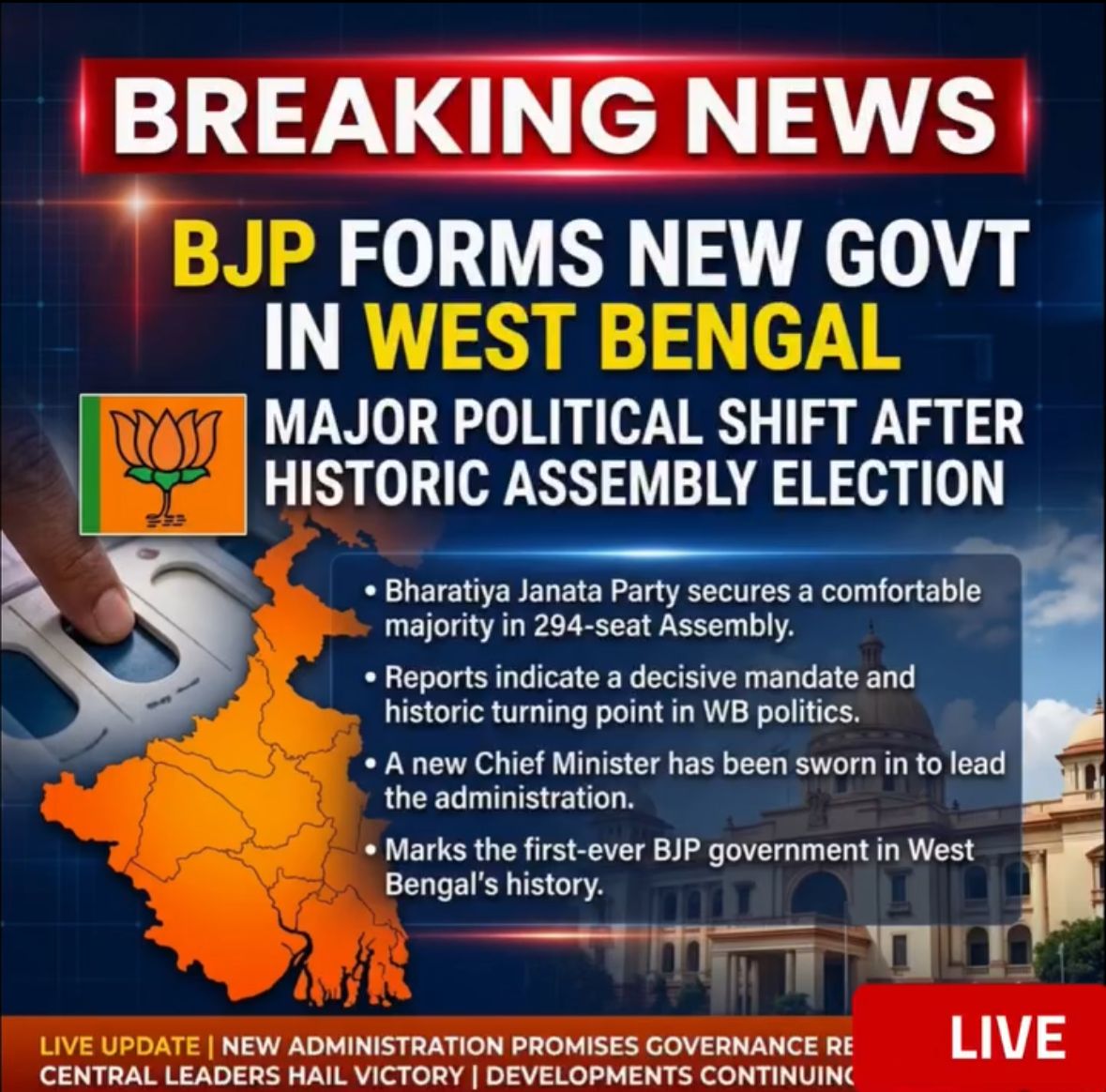
Mamata Banerjee, one of India’s most prominent regional leaders, continues to remain active in the national political landscape, reinforcing her role as a key opposition figure. Despite changing political dynamics in West Bengal and across India, she is positioning herself as a central voice of resistance against the ruling establishment.
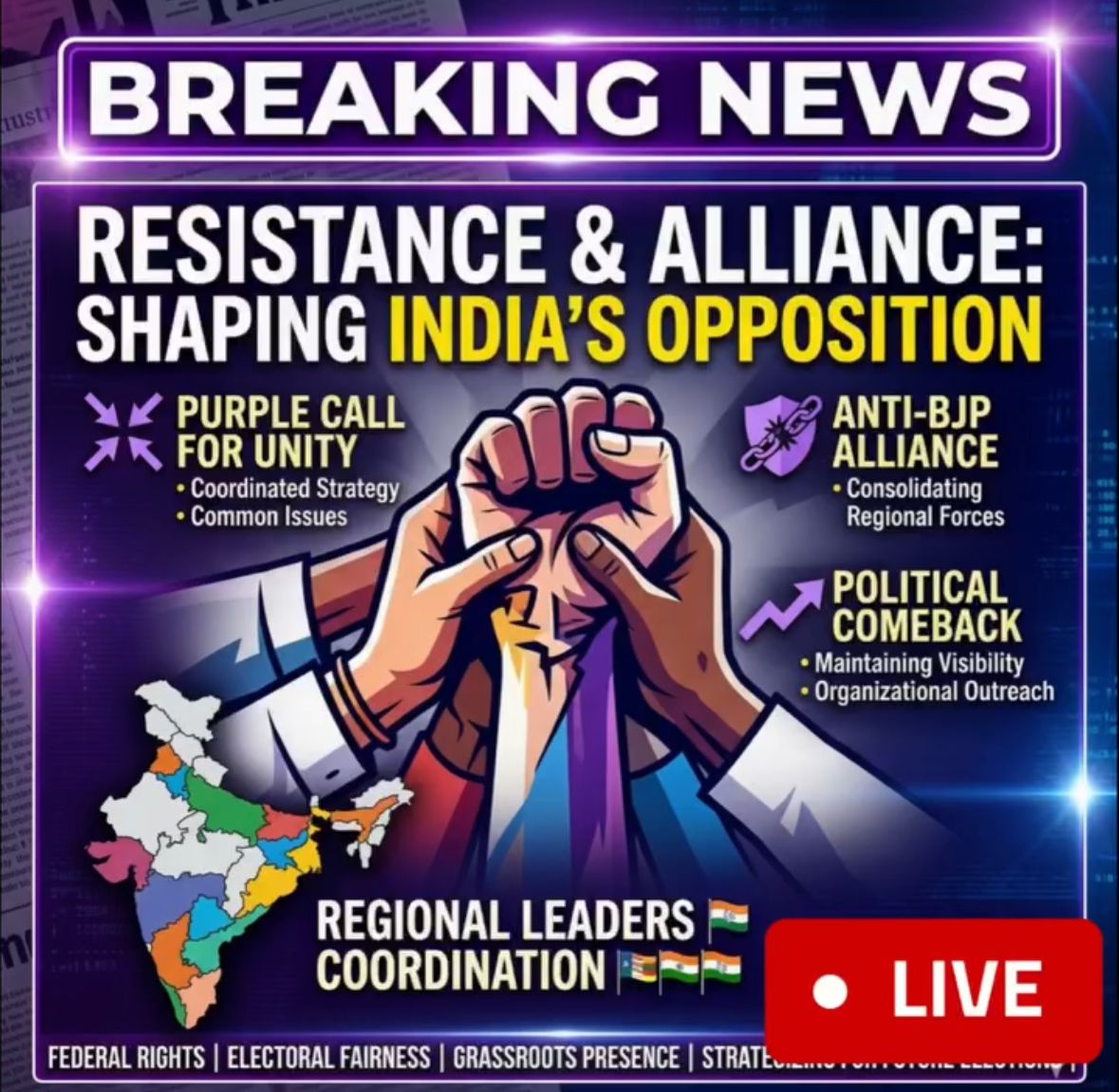
🟣 Call for Opposition Unity
In recent political developments, Mamata Banerjee has repeatedly emphasized the need for unity among opposition parties. Her message focuses on bringing together regional and national parties to form a stronger collective front against the ruling party at the centre.
She believes fragmented opposition politics weakens democratic balance and has therefore urged like-minded leaders to coordinate on common issues such as governance, federal rights, and electoral fairness.
🟣 Building an Anti-BJP Alliance
A major part of her current political approach involves strengthening a broader anti-BJP alliance. Bharatiya Janata Party remains her primary political opponent, and her strategy appears focused on consolidating regional forces.
This includes:
* Engaging with other state leaders
* Supporting coordinated opposition campaigns
* Highlighting issues of federal autonomy and state rights
* Strengthening her party’s national presence
Her efforts aim to reposition regional parties as a unified counterweight in national politics.
🟣 Preparing for a Political Comeback
Analysts view her current stance as part of a long-term comeback strategy. Rather than retreating from political relevance, she is maintaining visibility through public speeches, organizational outreach, and alliance-building efforts.
Her approach suggests:
* Maintaining strong grassroots presence in West Bengal
* Expanding influence beyond state politics
* Keeping her party politically active at the national level
* Preparing for future electoral opportunities
🟣 Political Significance
Mamata Banerjee’s continued activism reflects her enduring influence in Indian politics. Even amid shifting political landscapes, she remains a significant figure in shaping opposition narratives and regional political coordination.
Her strategy highlights a broader trend in Indian politics where regional leaders play a crucial role in national opposition frameworks.
📌 Conclusion
Mamata Banerjee’s ongoing political resistance is not just about opposition—it is about sustaining relevance, building alliances, and preparing for future political opportunities. Her leadership continues to be a defining factor in the evolving opposition landscape in India.