Indian Economy in the 1970s: Control, Crisis, and the Seeds of Change
The 1970s were a defining decade for India’s economic trajectory. Characterized by heavy state control, global shocks, and domestic challenges, this period laid the groundwork for both the struggles and future reforms of the Indian economy.
The Economic Model: State-Led Growth
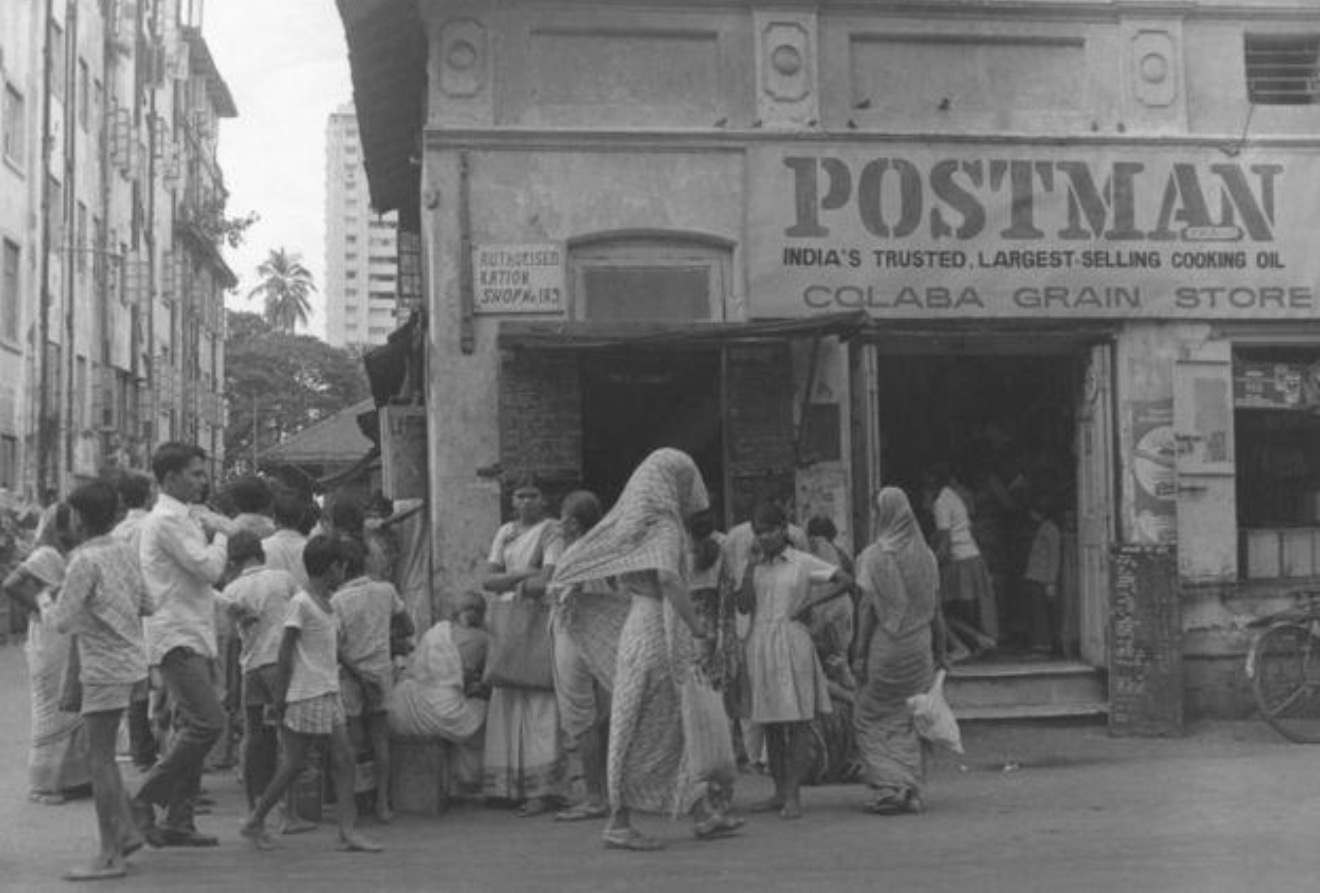
During the 1970s, India followed a socialist-inspired economic model. The government played a dominant role in controlling major industries, banking, and trade. Policies emphasized self-reliance and import substitution, limiting foreign influence and prioritizing domestic production.
Under the leadership of Indira Gandhi, the government expanded its control over the economy. One of the most significant moves was the nationalization of banks in 1969, which continued to shape financial access and credit distribution throughout the 1970s.
The License Raj System
A defining feature of this era was the “License Raj”—a complex system of permits and regulations required to start or expand businesses. Entrepreneurs needed government approval for nearly every aspect of production.
While intended to ensure fair distribution of resources, the system often led to:
• Bureaucratic delays
• Corruption and inefficiency
• Limited innovation and competition
Industries struggled to grow freely, and productivity remained relatively low.
Agriculture and the Green Revolution
Despite industrial constraints, agriculture saw notable progress due to the Green Revolution. High-yield crop varieties, improved irrigation, and fertilizers increased food production, particularly in states like Punjab and Haryana.
This helped India move closer to food self-sufficiency, reducing dependence on imports and strengthening rural economies—though benefits were uneven across regions.
Global Economic Shocks
The 1970s were also marked by external challenges, especially the 1973 oil crisis. The sharp rise in oil prices significantly impacted India, which relied heavily on imports.
Consequences included:
• Rising inflation
• Increased fiscal deficits
• Pressure on foreign exchange reserves
These global disruptions exposed vulnerabilities in India’s closed economic system.
The Emergency and Economic Control
Between 1975 and 1977, India experienced the Indian Emergency, a period of political and economic centralization. While some administrative efficiency improved, concerns about civil liberties and governance overshadowed economic gains.
Slow Growth and Structural Challenges
The Indian economy in the 1970s is often associated with the term “Hindu rate of growth,” referring to the modest GDP growth of around 3–4% annually.
Key challenges included:
• Low industrial productivity
• High poverty levels
• Limited global trade integration
• Inefficient public sector enterprises
Despite these constraints, the decade also saw gradual expansion in infrastructure and public institutions.
Seeds of Future Reform
Though the 1970s were marked by control and stagnation, they also planted the seeds for future transformation. The inefficiencies of the License Raj and state-heavy policies became increasingly evident, eventually leading to the liberalization reforms of 1991.
The lessons learned during this decade shaped policymakers’ understanding of the need for a more open and competitive economy.
Conclusion
The Indian economy of the 1970s was a period of tight control, resilience, and gradual realization. While growth was limited and challenges were significant, the decade played a crucial role in shaping India’s long-term economic direction.