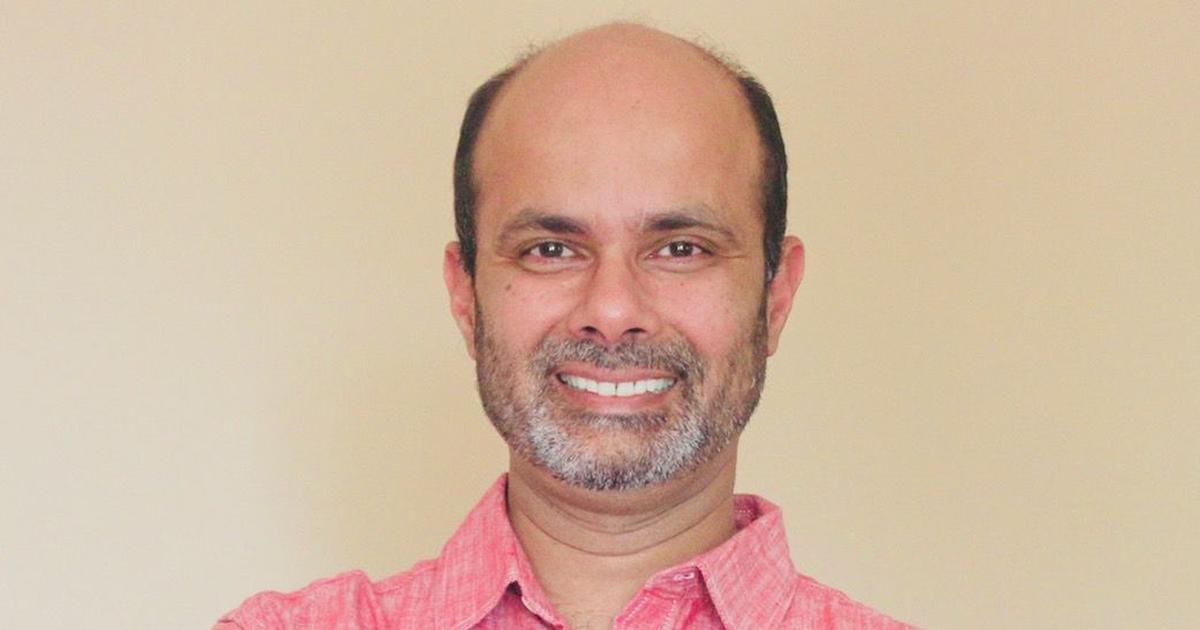
In a world increasingly obsessed with appearances, where influencers curate their lives through social media, the concept of beauty often teeters on the edge of the bizarre. The term ‘Uncanny Valley’ has emerged from this digital landscape, describing the discomfort elicited by images that are almost, but not quite, human. This uneasy intersection of desire and distortion serves as a central theme in Guruprasad Kaginele’s latest novel, ‘Kaaya’, his fourth literary offering that delves deep into the complexities of identity, culture, and the human body.
‘Kaaya’ invites readers into the intricate lives of its main characters: Dr. Malik, a plastic surgeon, and Kasturi, a powerful senator. This narrative intricately weaves their experiences against the backdrop of Manhattan, a city synonymous with ambition and allure. The novel probes profound questions about the nature of beauty and the boundaries of physical appearance. Where do we draw the line between attractiveness and grotesqueness? How do societal pressures shape our perceptions of desire?
The novel’s exploration of these themes is deeply resonant in today’s context, where cosmetic enhancements are commonplace and public figures often face intense scrutiny over their looks. Malik’s life takes a dramatic turn when he finds himself at the center of a sexual misconduct lawsuit during a breast augmentation procedure. This incident threatens not only his professional reputation but also the political clout of Kasturi, who has crafted her celebrity status around her transformative medical interventions. The cascading effects of this lawsuit unravel the carefully constructed lives of the characters, revealing their vulnerabilities and the fragile nature of their identities.
Kaginele paints a vivid tableau, skillfully balancing the personal and political dimensions of the characters’ lives. As the plot unfolds, readers encounter Malik’s wife, Shamanthaka, his mother-in-law Kasturi, and his ex-wife Pari, each representing different facets of the pressures and expectations surrounding femininity and masculinity. The characters navigate their complicated relationships, reflecting the societal constructs that dictate the definitions of beauty and success. The narrative is further enriched by the translation of Narayan Shankaran, whose linguistic choices enhance the text’s ability to both alienate and engage the reader.
‘Kaaya’ serves as a mirror to contemporary society, challenging readers to confront their own biases and the often-painful dichotomies of desire and violence embedded within their perceptions of the body. The novel’s title, translating to ‘form’ or ‘body’, embodies the core of its discourse—how our physical forms become sites of conflict and desire. As readers journey through Malik and Kasturi’s intertwined lives, they are prompted to consider the broader implications of their choices and the societal narratives that shape them.
In essence, ‘Kaaya’ is not just a tale of personal drama; it is a reflection of our times. It brings to the forefront the complexities of identity, the pursuit of beauty, and the often harsh realities of societal judgment. As readers engage with this meticulously crafted story, they may find themselves questioning the very nature of aesthetics and the invisible lines that separate admiration from alienation.