Bengal’s New Welfare Scheme Excludes Women from Deleted Voter Rolls, Says BJP Government
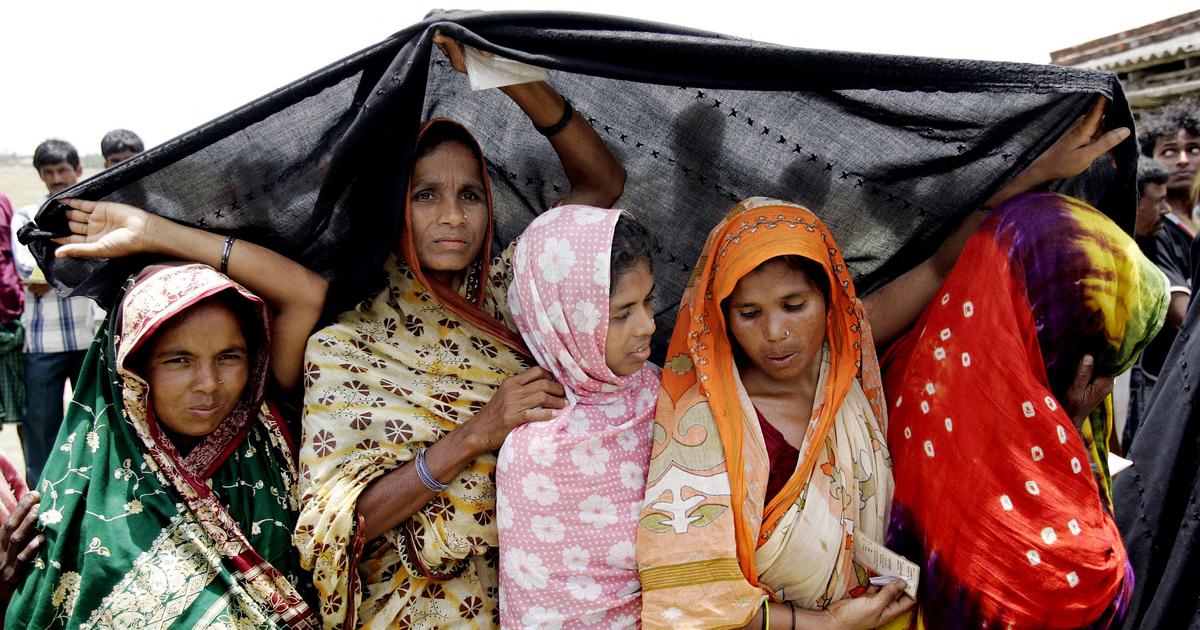
In a significant policy shift, the newly installed Bharatiya Janata Party (BJP) government in West Bengal has announced that women whose names were removed from the electoral rolls during the special intensive revision (SIR) will not be eligible for benefits under the state’s Annapurna Bhandar scheme. This was confirmed by Agnimitra Paul, the Minister for Women and Child Development, during a press conference on Monday.
The Annapurna Bhandar scheme, which will replace the previous Lakshmi Bhandar programme from June 1, aims to provide eligible women with a monthly cash assistance of Rs 3,000, a significant increase from the Rs 1,500 offered by its predecessor. Paul emphasized that only those whose names remain on the updated electoral list will benefit from this new initiative, stating, “Those women whose names are on the list will receive it.”
Paul elaborated on the criteria for exclusion, indicating that an analysis would be conducted to determine which women had their names removed during the SIR process. She pointed out that individuals who are deceased or not Indian citizens would inherently be ineligible for the benefits of the Lakshmi Bhandar scheme, further complicating the eligibility landscape for the new Annapurna Bhandar scheme.
In a move that has sparked concern among potential beneficiaries, the Minister made it clear that anyone with pending appeals regarding their exclusion from the electoral rolls would also be excluded from receiving benefits. This decision raises questions about the accessibility of welfare programs for marginalized populations, highlighting the delicate balance between electoral integrity and social welfare.
Chief Minister Suvendu Adhikari, following the first Cabinet meeting of the new government, reiterated the administration’s commitment to scrutinizing existing welfare schemes. The BJP’s approach appears to prioritize a streamlined list of beneficiaries, potentially at the expense of those already in need. As the scheme gears up for its launch, many will be watching closely to see how this policy unfolds and its impact on the women of West Bengal.
Critics of this decision argue that it could disenfranchise many vulnerable women, particularly those who may not have the means or awareness to navigate the complexities of electoral lists. The implications of this announcement are likely to resonate throughout the state, as discussions surrounding welfare, eligibility, and inclusivity remain at the forefront of public discourse.