Calcutta High Court Challenges Speaker’s Recognition of Expelled TMC MLA as Opposition Leader
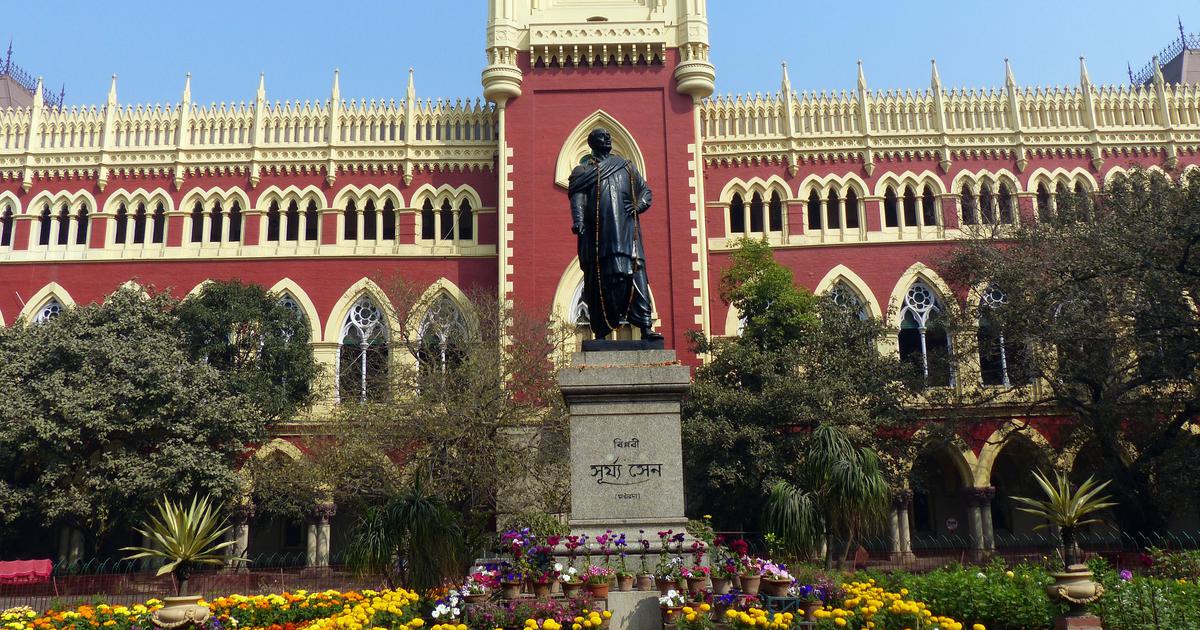
In a significant legal development, the Calcutta High Court on Thursday raised serious questions regarding the West Bengal Assembly Speaker’s decision to designate expelled Trinamool Congress (TMC) MLA Ritabrata Banerjee as the Leader of the Opposition. This controversial move was made without the approval of the party, leading to an intense scrutiny of the Speaker’s authority and the implications for party politics in the state.
The matter came to light when Banerjee announced on June 3 that Speaker Rathindra Bose had accepted a faction of 58 MLAs from the TMC, out of a total of 80, as the official Opposition. This claim is perceived as a direct challenge to TMC’s supremo Mamata Banerjee, who continues to support Sobhandeb Chattopadhyay as the party’s recognized leader in the Assembly.
While hearing a petition filed by the TMC challenging the Speaker’s decision, the High Court bench pointed out a crucial detail: Ritabrata Banerjee, having been expelled from the party, does not officially belong to any political group. The bench questioned, “How can the Speaker designate a rebel leader as the leader of the Opposition without the express consent of the political party?” This inquiry raises fundamental concerns about the interpretation of political allegiance and the rules governing such appointments under the Indian Constitution.
In response, the state, represented by Additional Advocate General Bilwadal Bhattacharya, sought time to submit an affidavit along with all pertinent documents related to the controversial order. The TMC’s argument, presented by advocate and TMC MP Kalyan Bandopadhyay, emphasized that the Speaker’s decision violates the Tenth Schedule of the Constitution, which outlines provisions concerning disqualification on the grounds of defection.
This legal confrontation underscores the ongoing tensions within the TMC, a party that has faced internal dissent and challenges to its leadership in recent times. As political dynamics in West Bengal continue to evolve, the High Court’s ruling could have far-reaching consequences for the party’s structure and for the broader political landscape in the state. Observers are keenly watching how this judicial scrutiny will influence party loyalty and the legitimacy of leadership roles within the Assembly.